Rotations for Field Vegetables – Andy Dibben case study video
Resource explained
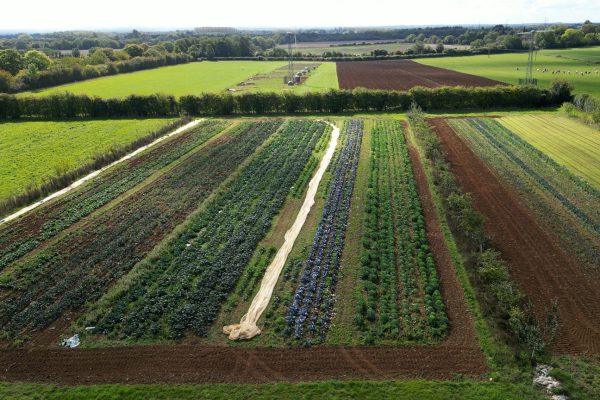
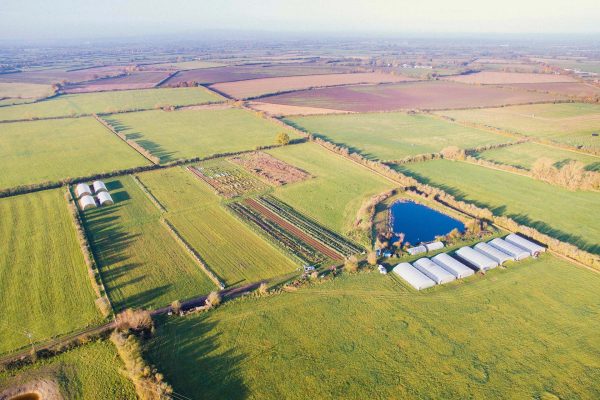
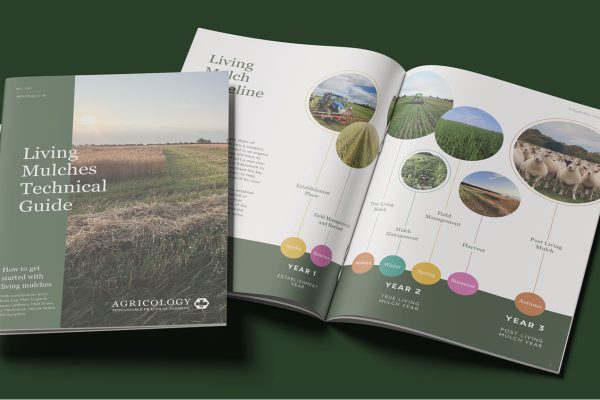
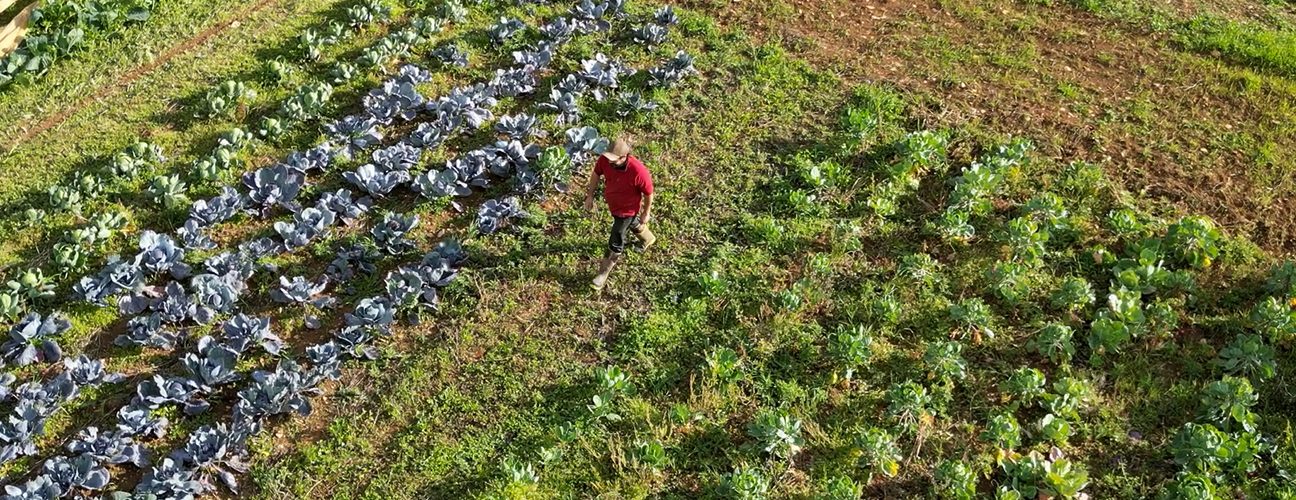
In this short but punchy video Andy Dibben, head grower at Abbey Home Farm, talks us through the rotations he applies. This brings the principles of vegetable rotations, and the case study particularly (outlined in the Agricology Technical Guide) to life. As Andy walks through the fields at Abbey Home Farm, he stresses the importance of fertility building, the reasons behind the two vegetable rotations he operates, the importance of keeping to crop family rules, the history and development of his rotations and design to fit in with infrastructure, and the need for flexibility to cope with market requirements and allow innovation. The video is a taster of the Agricology Rotations for Field Vegetables Technical Guide and a gateway to the many resources Agricology have on the topic in the Rotations for Field Vegetables Hub.
Findings & recommendations
- Rotations are the foundation of Andy’s farming practices, encompassing fertility management, weed control, and pest management.
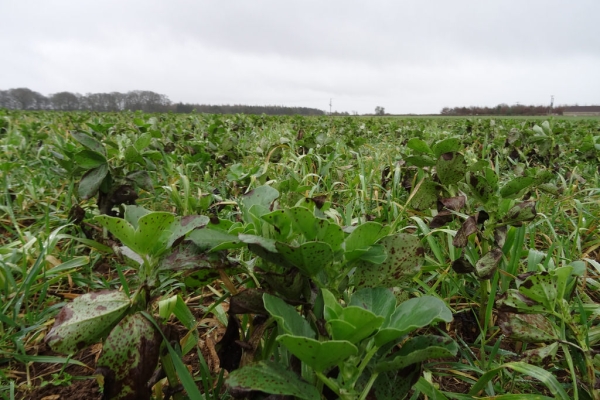
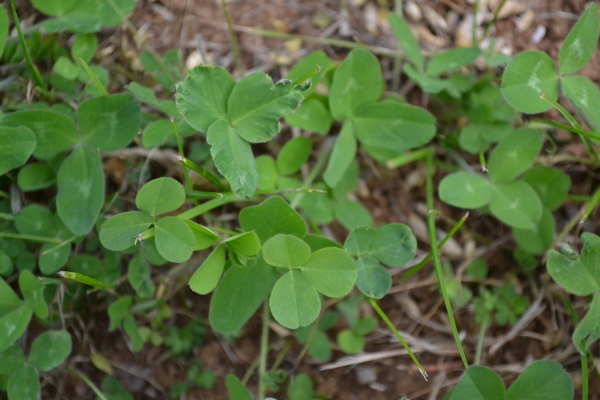
- Andy highlights the importance of green manures for fertility building, used at the start of and during cash cropping, to maintain soil fertility.
- Building organic matter is as important as legumes in helping to feed the soil over time, and cover crops should be treated with the same importance as cash crops.
- Rotations are described as a fertility cascade, with a sequence of crops that build and deplete soil fertility; essential for soil structure and moisture retention.
- Rotations can be adapted to accommodate new techniques such as agroforestry, demonstrating that they do not need to be set in stone.
- Small to medium-scale growers often have two rotations: one for intensive market gardens, and one for extensive field-scale operations, facilitating more efficient use of time and resources.
- When designing rotations, it is important to maximise the use of available space, matching the length and width of rotation areas for efficient infrastructure use i.e. irrigation and crop covers.
- Adaptation is key, as every field and every season is different, requiring flexibility in rotation design.
Summary provided by:
Phil SumptionEdited by:
Janie CaldbeckAssociated Agricology Partner Organisation(s):


Organisation(s):
- Agricology
- Down to Earth Media
- RuralPod Media
Date:
15/02/2026Evidence:
Farmer experience
Copyright:
Attribution, Non-Commercial, No Derivative Works CC BY-NC-NDRelated theme:
Key Farming Practices:
- Cover crops
- Diverse / herbal leys
- Diverse rotation
- Integrated pest management (IPM)
- Leys in crop rotations
- Minimum Tillage
- Organic fertilisers
- Relay cropping
- Silvohorticulture
- Soil monitoring
- Undersowing
Related articles