Rotations for Field Vegetables – Technical Guide
Mastering rotations for organic, agroecological and regenerative vegetable production
Resource explained
*Access the resource here or via the VIEW RESOURCE button*
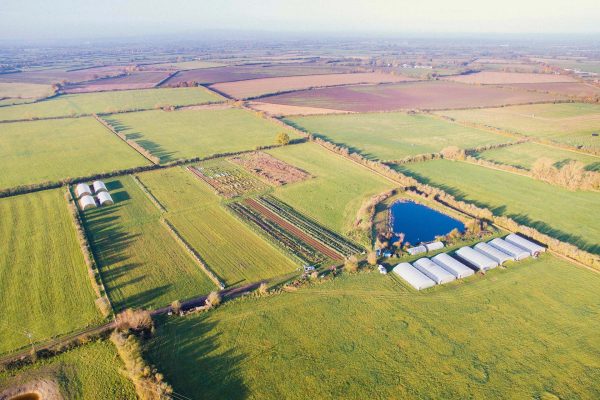
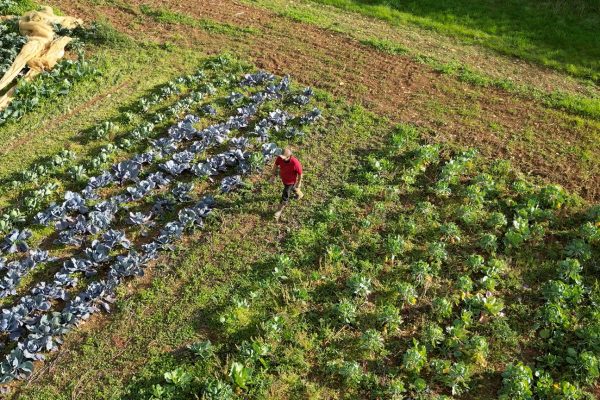
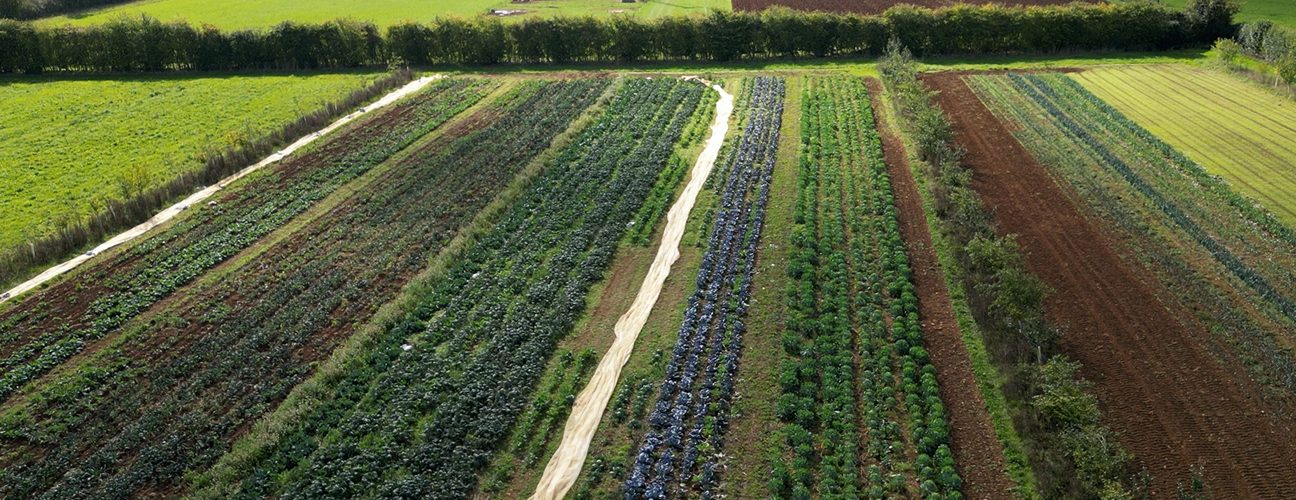
This Agricology Technical Guide concentrates on crop rotations for vegetable growers. It is designed to support growers in planning cropping sequences in time and space, and focuses on the need for rotations, the fundamentals of rotation design, the practical considerations needed for their effective implementation, and provides real world examples from Andy Dibben of Abbey Home Farm and David Newman of Bucksum Salads. It looks at the tools available to help rotation planning such as nutrient budgeting, and discusses complex agroecological practices such as agroforestry and living mulches and the integration of diversity impact on rotations. Horticultural cropping systems are complex, considering the number of crops grown, especially for growers concentrating on direct sales. While the principles of rotations and rotational design apply to all scales of production, and also for protected cropping, this guide concentrates on field rotations. The author, Phil Sumption, writes from many years of experience of organic vegetable production, with much of the material in this guide adapted from ‘The Organic Vegetable Grower’ published by Crowood Press. Rotations are not the exclusive preserve of the organic grower and this guide should be useful for any grower or potential grower on a journey or transition towards more sustainable growing.
See also the accompanying video and Rotations Hub
Findings & recommendations
- Rotations remain the principal tool in the organic and regenerative grower’s box for managing soil fertility, weeds, pests and diseases.
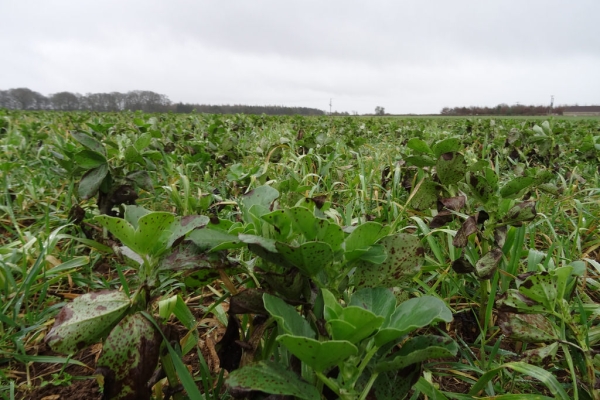
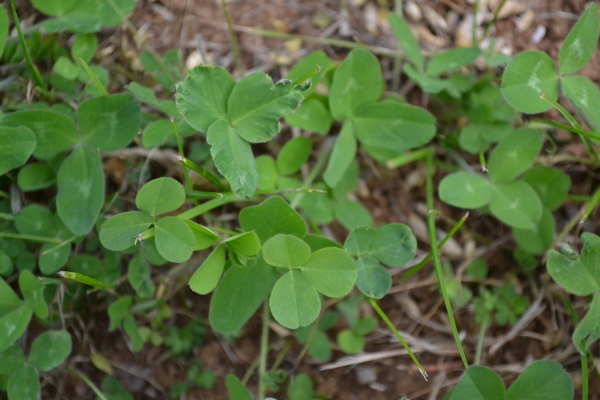
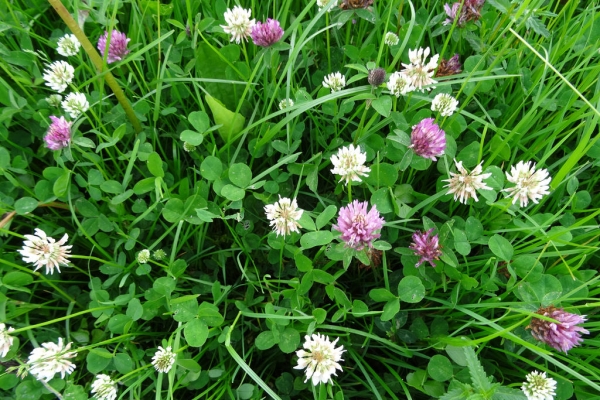
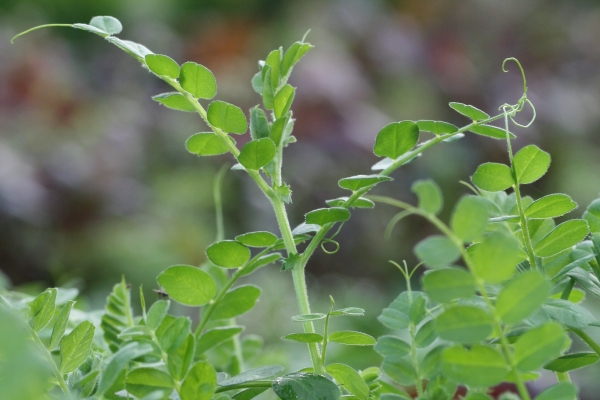
- The use of legumes which can fix nitrogen (N) biologically is a crucial element of rotations, in order to replace N extracted from the soil by crops.
- Grass-clover leys and cover crops should be considered as the most important crops in the rotation and managed accordingly.
- Separate plants according to family or needs, and balance deep-rooting crops with shallow-rooting ones in order to improve soil structure and allow access to nutrients from different parts of the soil profile.
- Some crops are more competitive against weeds than others. Fertility-building leys and green manures/cover crops also give a break from the cycle of annual weeds, during which weeds are controlled by mowing, and/or suppressed by competition.
- The market will determine what crops you grow, but the rotation will set the limits.
- Nutrient budgets are useful tools to help farmers and growers make the right nutrient management decisions.
- It is important to be flexible in your approach to rotations. This is illustrated by the case study of Andy Dibben and how he has adapted his rotation to market requirements, weed burdens, ease of management, and to incorporate innovations such as agroforestry and living mulches.
- David Newman’s case study details an alternative approach with the vegetable blocks rotating around the holding.
Summary provided by:
Phil SumptionEdited by:
Janie CaldbeckAssociated Agricology Partner Organisation(s):


Author(s):
Sumption, POrganisation(s):
- Agricology
- Down to Earth Media
- RuralPod Media
Date:
15/02/2026Evidence:
Applied research
Copyright:
Attribution, Non-Commercial, No Derivative Works CC BY-NC-NDRelated theme:
Key Farming Practices:
- Biological & cultural weed management
- Cover crops
- Diverse / herbal leys
- Diverse rotation
- Leys in crop rotations
- Minimum Tillage
- Relay cropping
- Silvohorticulture
- Soil monitoring
- Undersowing
Related articles