It’s official: Ecosystem security is national security
I have struggled over the decades to find suitable phrases to describe the dire risks to society from inaction on environmental harms. Final warning… red alert… wake up call… last chance to save and so on… They all feel inadequate and overused. More to the point, too few people were listening. But a new report on nature loss and the collapse of critical ecosystems rather nails the problem.
This government commissioned report ‘Global biodiversity loss, ecosystem collapse and national security – A national security assessment‘ leads with the sentence “Global ecosystem degradation and collapse threaten UK national security and prosperity” and continues “…Without major intervention to reverse the current trend, this is highly likely to continue to 2050 and beyond.”
Well exactly… And the evidence they have compiled is overwhelming (as it has been for some time), but also given with high confidence that this is going to happen.
“The average size of monitored wildlife populations declined by 73% between 1970-2020. Populations of vertebrate species have declined by an average of 68% since 1970. Freshwater ecosystem species populations have shown the largest losses, falling 84% in the same period.”
The report outlines some of the ecosystems critical to our survival – water regulation and cycling, soil creation, oxygen production, pollination, disease control, air quality, food production, carbon storage, erosion control… It doesn’t for some odd reason mention the vital role of nature in the nutrient cycle…
It’s troubling to note that this report was actually suppressed, only published after a freedom of information request, and the one published was a summary with most of the detail left out.
Reframing the debate on nature
It is worth noting the report authors say this is “a reasonable worst case scenario and applies the uncertainty frameworks used in intelligence assessments… to support UK national security planning by identifying risks to the UK from global biodiversity loss and ecosystem collapse.” It talks of the many risks – including food insecurity, health, disease, water, poverty, accelerated climate disasters, pandemics and other likely harms accelerating particularly from continued global forest and wetland losses.

But critically, the report points to some of the outcomes from this collapse which have not often been put on the same page in an environmental report. Talk of international security risks such as extremism, terrorism, political polarisation, conflict and wars are scary but vital for decision makers to read. When you risk our natural ecosystems, you risk everything that creates a stable civilisation.
Critical food ecosystems
It is no surprise that the top issue in the assessment is food security. Severe degradation or collapse of the ecosystems that support food production such as soils, clean water and air, pollinators and pest predators, stable climate for livestock, marine life, and so on, are all noted as at risk of happening.
When we talk of food security it’s important that we do not focus on what we buy and eat now in terms of food supplies. This would reinforce the hugely costly, highly unhealthy diets that now dominate the UK diet, and are created as a result of food companies focusing on ever more processed products – products that are created with the cheapest raw ingredients, sourced globally and using artificial additives to replace flavour and nutrition. This is not food security, costs us billions in health and economic harms annually, and has led to ever dwindling returns to farmers and growers.
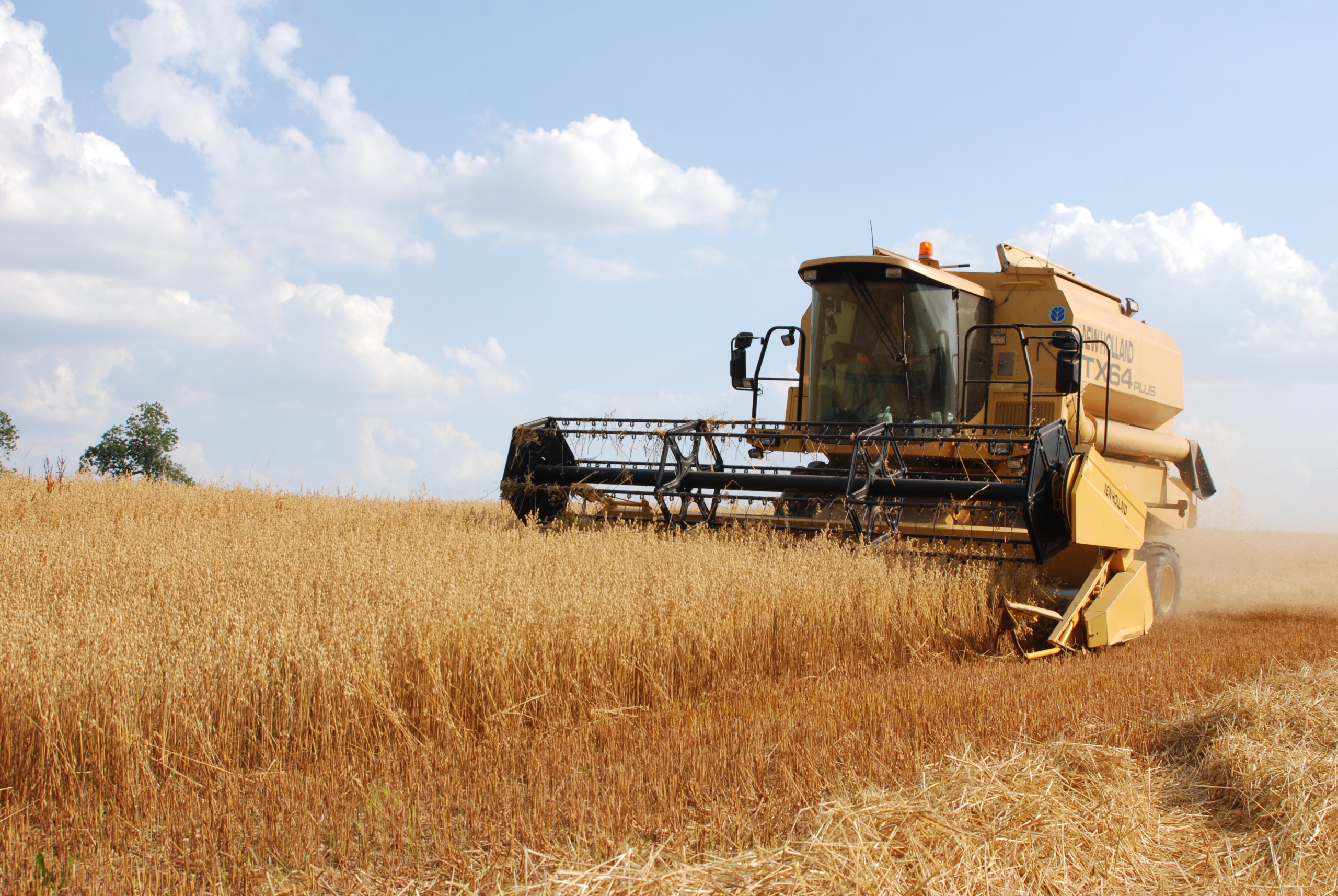
If we focused on true, nutritional food security, more wholefoods, more fruit and vegetables, less and better meat and dairy, and far fewer empty calories, some of the solutions are happily mutual – such as less wasteful use of land, more diversity, and better returns to farmers so they can invest in sustainable production. But there are major risks outlined in the report that we face including:
- UK reliance on global markets for its food and for fertiliser, feeds and oils, based on current diets and prices.
- UK farming being vulnerable to ecosystem degradation and collapse.
- Ecosystem degradation or collapse affecting major food producing regions – which would increase resource scarcity, drive up global food prices, and put UK food security at risk.
Some technologies could help but need significant research, development and investment to have a chance of working at scale.
They rightly note, on that last point, that protecting and restoring ecosystems is easier, cheaper and more reliable than many techno fixes. Natural flood management would be a good example.
What should happen next?
This report does not give solutions but it should lead to an immediate reframing of national priorities – on land use, production, supply chain and demand, trade, and fundamentally on nature and climate action, through well-enforced regulations, incentive and support – at home and abroad. A huge range of measures and new policies should be in place, but to name a few:
- A new food strategy should focus on changing the nation’s diet, with less and better meat and more fruit, veg and pulses, phasing out ultra processed foods with regulations, eliminating food waste, creating regional circular economies on food, and procuring sustainable food.
- A new land use framework must focus on ensuring nature’s recovery, protection of soil, wildlife, water, marine, using farmland in multi-functional ways (not for wasteful bioenergy), and building nature based solutions for water management.
- An ecosystem focused farm strategy – reducing reliance on imported inputs like fertilisers, pesticides and feeds by investing in resilient, agroecological systems on all farms, more crop diversity, and building a circular farm system using nature’s tools. The current huge use of cropland for industrial livestock feeds needs to be drastically reduced which ties in with changing diets.
- Trade and imports – policies that ensure ecosystem protection measures in the UK are not undermined by imports and by driving global action though leadership, aid and support.
The key is for us now to demand such actions when we meet with our councils, our MPs, businesses, and anyone with power and influence. We can act individually to reduce our impact on ecosystems, but the scale of change needed, and embedded imbalances of power and ‘inefficiencies’ in the highly centralised and globalised food systems created over the past century mean that will not be enough. Reconfiguring these systems will only happen with effective and powerful political action at local, national, regional and global levels of governance.
Author:

Published date:
10th February 2026Related farming theme:
Key Farming Practices:
- Encouraging beneficial insects
- Habitat creation
- Integrated pest management (IPM)
- Low input breeds
- Low input crop varieties
- Minimum Tillage
- Mixed farming
- Pasture fed livestock
- Soil monitoring
Related articles