
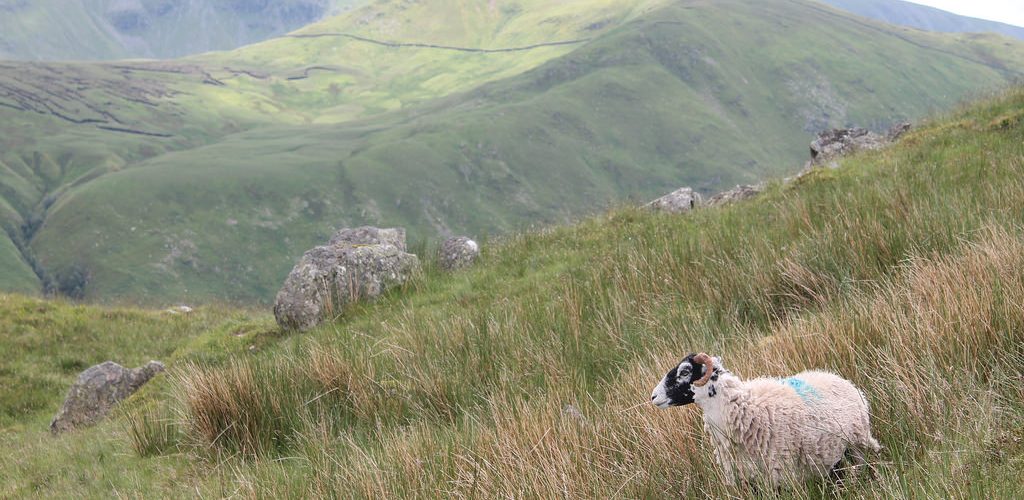
Have we reached “peak sheep” in the UK?
A recent article from the BBC InDepth series explores the growing pressures on upland farmers across the UK, highlighting how some are rethinking traditional livestock systems in response to financial and environmental challenges.
Over the last 50 years there has been a significant fall in lamb and mutton consumption – in 1980 the average UK household purchased 128g of sheep meat (lamb and mutton) per person, per week, whereas in 2024 that same measure was down to 23g. Mutton is no longer eaten in the same volume it was by previous generations, and lamb has seemingly gone from a weekly staple to a meat more often eaten on special occasions, with “white meat” like chicken being increasingly preferred,
Although sheep prices are currently robust, upland farmers with tight margins are more likely to feel the pinch when diesel and oil costs go up. The cost of feeding sheep has also increased in recent months, with the average bale of hay costing £155 a tonne this spring compared to £75 a tonne this time last year.
At the same time, government support is shifting away from direct payments towards schemes that reward environmental outcomes, prompting uncertainty about the future of hill farming.
The article features Yorkshire Dales farmer Neil Heseltine, who describes his difficult decision to significantly reduce his sheep flock after years of low financial returns. Despite long working hours, the enterprise was barely breaking even, reflecting wider challenges across upland farming.
The flock at 1,500-acre Hill Top Farm, worked by Neil’s family for the past 4 generations, has declined from a peak of over 800 lambing sheep to just 45 this spring.
Heseltine explains how he has transitioned towards a lower-input system centred on hardy native cattle. These animals are better suited to the landscape, requiring less feed, housing and intervention. By reducing reliance on bought-in inputs such as feed, fertilisers and medications, the farm has cut costs substantially. The result has been improved profitability, alongside a more manageable workload.
Take an in-depth look into how reducing sheep stocking rates and encouraging extensive grazing have provided additional environmental benefits by reading Neil’s Farmer Profile.
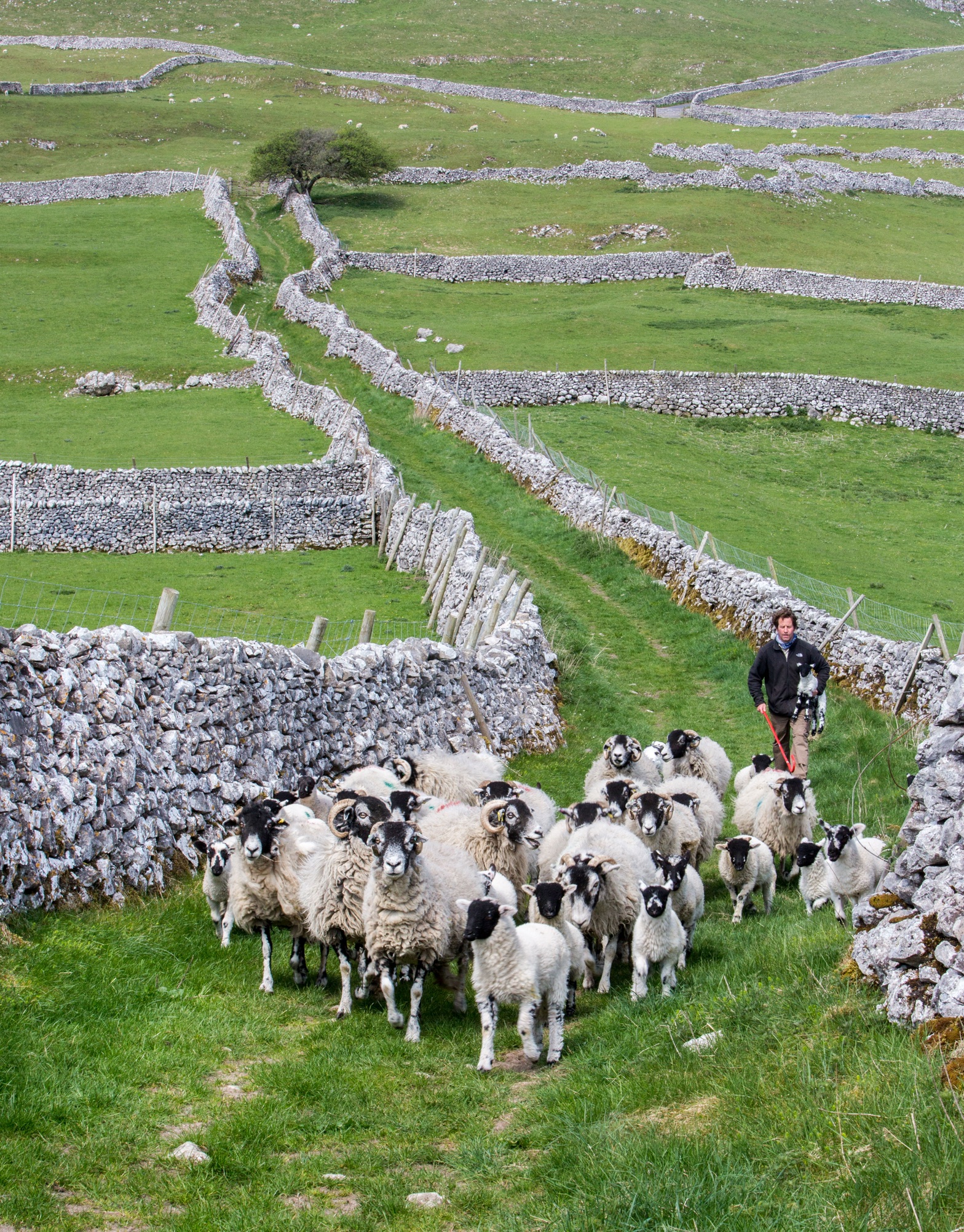
The article highlighted the growing halal market as a potential ‘ray of sunshine’ for the industry, quoting AHDB statistics which suggest that 80% of halal consumers eat lamb on a weekly basis and 64% eat mutton weekly ( in contrast to just 6% of the general UK population). According to the AHDB, while Muslims make up around 6.5% of the UK population they account for 30% of lamb sales annually.
Upland farming in the UK is undergoing significant change, with farmers navigating a complex mix of challenges to their business models and farming practices. The article reflects a sector in transition, with some farmers embracing opportunities for diversifying income and adopting lower-input systems, while others are concerned about reduced food production and the cultural loss of traditional farming practices.
Read full article