DIVERSify: Designing InnoVative plant teams for Ecosystem Resilience and agricultural Sustainability
Project Background
There is an urgent need to increase the efficiency and sustainability of agriculture. There is mounting pressure to produce food sustainably, with fewer inputs, whilst increasing agricultural production to feed the growing global human population. It is recognised there is no single solution to the challenge of maximising productivity and reducing losses –
- Crop scientists need to devise novel cropping systems for farmers to increase efficiency and reduce pollution
- Breeders need new knowledge and tools to develop suitable cultivars
- Agronomists need specifications to manage these cropping systems effectively
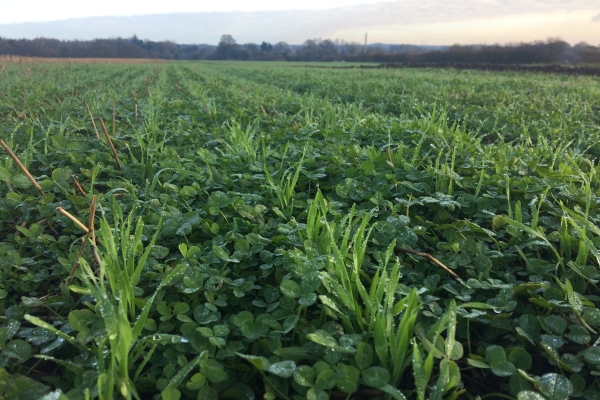
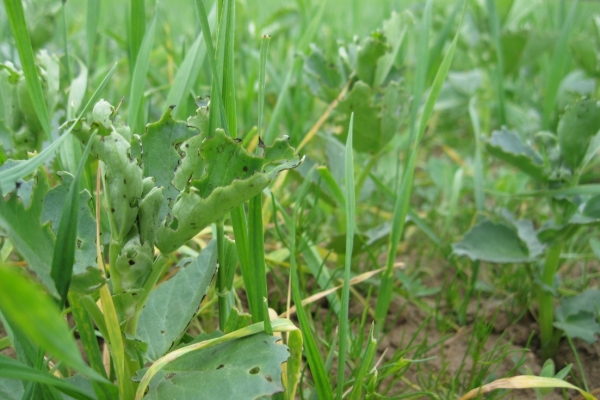
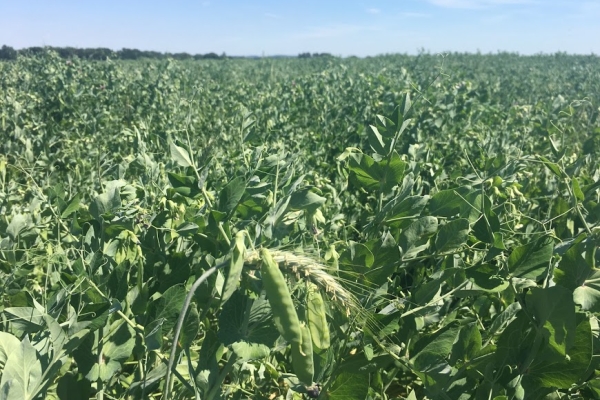
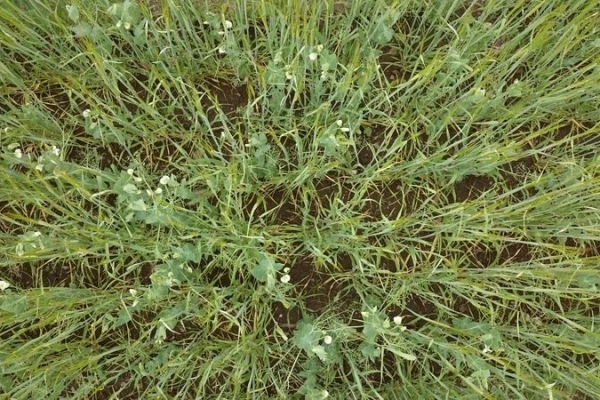
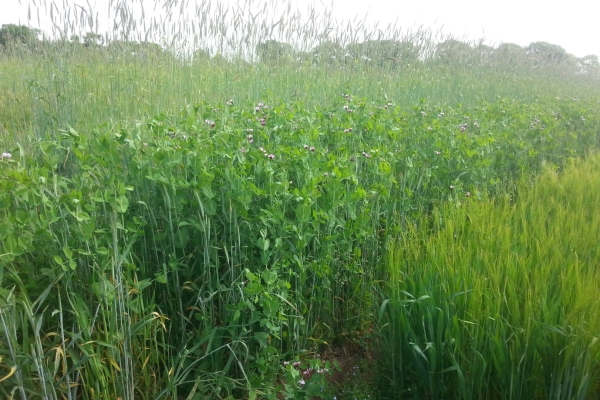
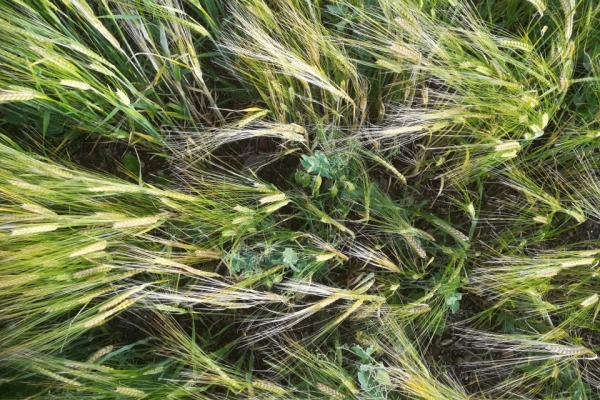
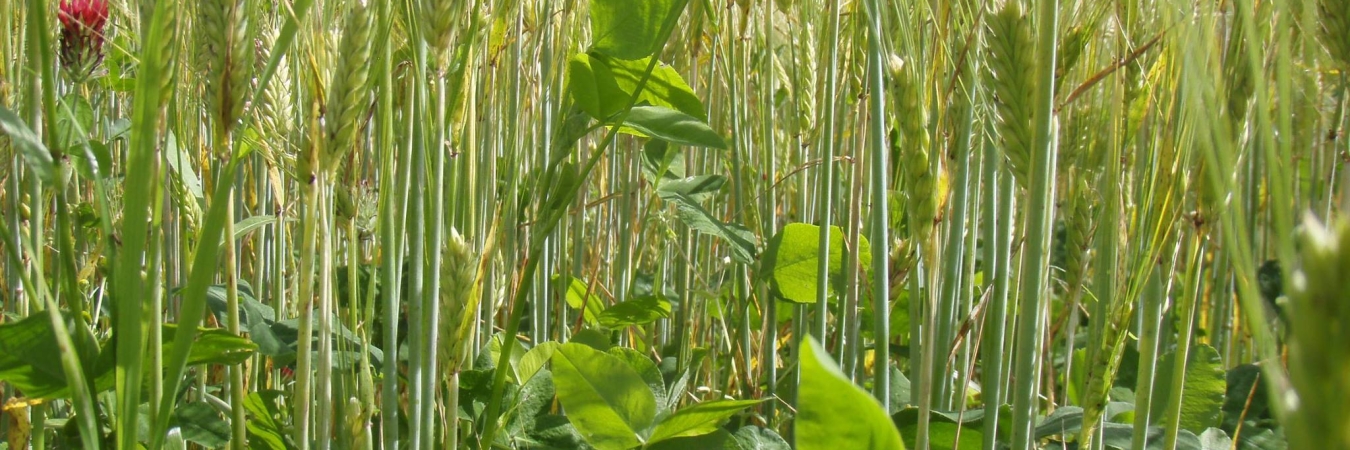
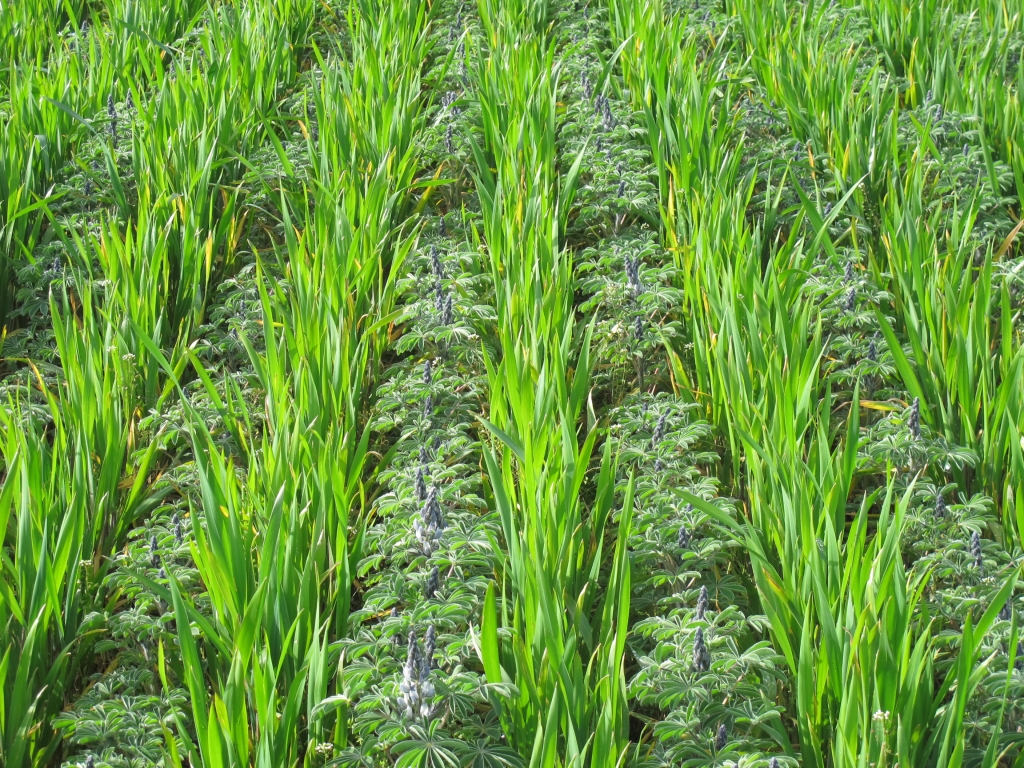
Agricultural systems can learn from ecological theory by using ecological principles to understand the plant traits and mechanisms that promote productivity in diverse plant systems. Species-rich ecosystems are resource-efficient, highly productive and stable. Using crop species mixtures or ‘plant teams’ can help increase efficiency and lessen harmful environmental impacts. Diverse crop systems can potentially enhance and stabilise crop yields, reduce pest and disease outbreaks, improve water quality, soil fertility and biodiversity, help with weed management, and provide greater resilience to environmental fluctuations and changes in management.
The DIVERSify project aims to ‘optimise the performance of crop species mixtures or ‘plant teams’ to improve yield stability, reduce pest and disease damage, and enhance stress resilience in agricultural systems.’ It is focused on improving the productivity and sustainability of European agriculture using an approach that has global relevance, learning from the experience of international researchers and stakeholders. The project is coordinated by the James Hutton Institute (access contact details via here). The consortium consists of 23 EU and international beneficiary partners located across European pedo-climatic zones and growing conditions.
Aims & Approach
The overarching goal of the project is to provide a novel system for sustainable food production and nutrition, resource-efficient production and value chains, and healthier diets.
It aims to produce knowledge and tools to support productive and resilient agricultural systems which capitalise on the benefits of high plant species diversity, enhance understanding of how plant teams can contribute to yield stability, reduce yield losses to weeds, pest and diseases, and increase resilience against environmental fluctuations and management practices.
There are six objectives: 1) Identify current best practice for plant teams; 2) determine the mechanisms promoting positive plant-plant and plant-environment interactions; 3) devise improved plant teams and identify potential breeding targets for plant team partners; 4) work with farmers to test plant teams and their management; 5) construct a decision aid for plant team selection and agronomy; and 6) work with stakeholders for participatory knowledge exchange.
Project Outputs
- Collating of existing farming expertise on plant team cropping.
- Field experiments – to identify factors that cause beneficial interactions in plant teams.
- Experimentation and modelling – to identify crop traits and configurations that optimise plant team performance.
- Trialling and validation of improved plant teams – in farmers’ fields and experimental fields to provide management protocols.
- Creation of an online decision aid for crop selection and agronomy.
- Development of knowledge exchange communication media.
View a summary of the project – DIVERSify project leaflet.pdf
Have a read of various blog articles from the project consortium
‘Growing Beyond Monoculture’ web series – watch three mini-documentary films focusing on impacts of crop diversification and challenges and ideas for growing crop mixtures as a way to increase resilience against climate change whilst increasing biodiversity and carbon sequestration.
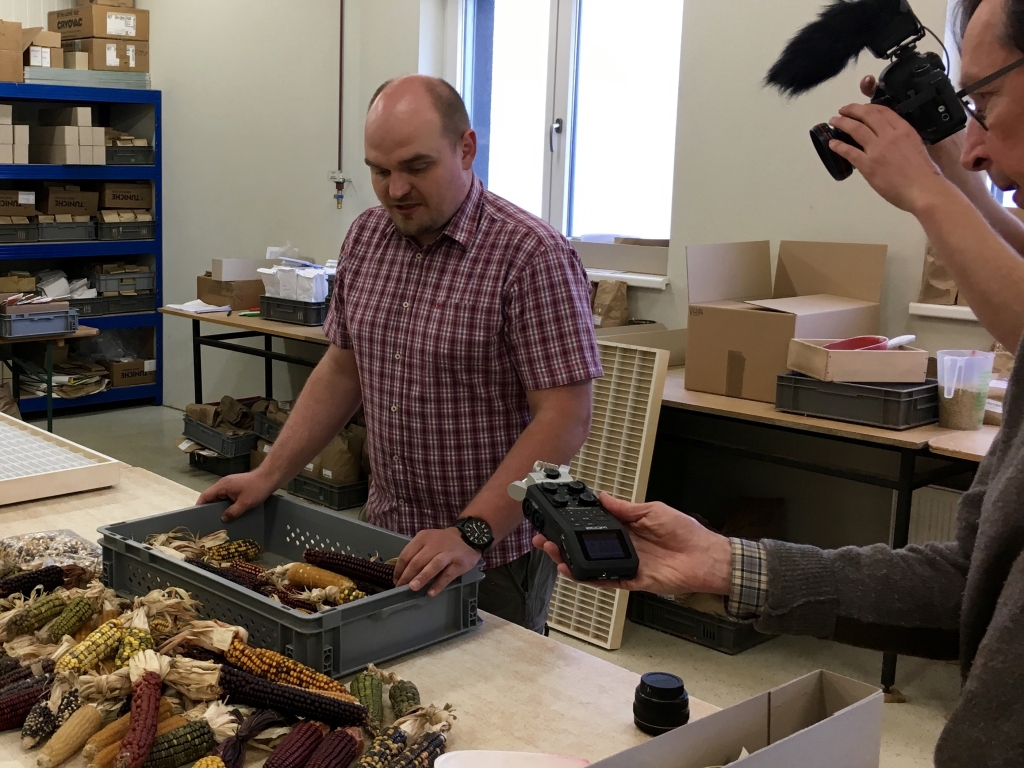
In this case study, produced as part of the DiverIMPACTS H2020 project, UK arable farmer Andy Howard who supplying lentils to Hodmedod’s, shares his insights and expertise in intercropping; benefits, risks and payoffs:
In this case study, produced as part of the DiverIMPACTS H2020 project, UK arable farmer Andy Howard who supplying lentils to Hodmedod’s, shares his insights and expertise in intercropping; benefits, risks and payoffs:
All project publications can be accessed via the project website. They include a series of practice abstracts covering a range of practical considerations that have been highlighted throughout the project and offer some potential solutions / practical recommendations for farmers. Those of particular use to UK farmers are highlighted below:
- 1 Cereal-legume intercropping: basic principles in practice
- 2 Cultural constraints on farming practice – Making tradition “a guide and not a jailer”
- 7 Markets and economics of plant teams for farm businesses
- 8 Measuring biodiversity in intercrops
- 9 Mixture cropping as a method to increase resilience to drought
- 10 The need to optimise N fertilisation of plant teams
- 11 Crop mixtures for multi-functional agroecosystems
- 12 Suppressing weeds in legume crops with plant teams
- 14 Management of perennial clover living mulches for cereal crops
- 15 Plant teams for biodiversity: bees, butterflies and biocontrol
- 16 Management of clover living mulches to balance trade-offs between crop competition and weeds.
- 17 Clover variety choice for living mulches
- 24 How can intercropping increase arthropod diversity and biomass on a landscape scale?
- 26 A complex mixture is not complex to manage
- 27 Yield stability under extreme weather conditions
- 28 Addressing seed size challenges in plant teams
- 29 Mechanical weeding in mixed cropping systems
- 31 Growing species mixtures: how many species and how well mixed
- 32 Disease, weed and pest management in cereal/legume intercrops
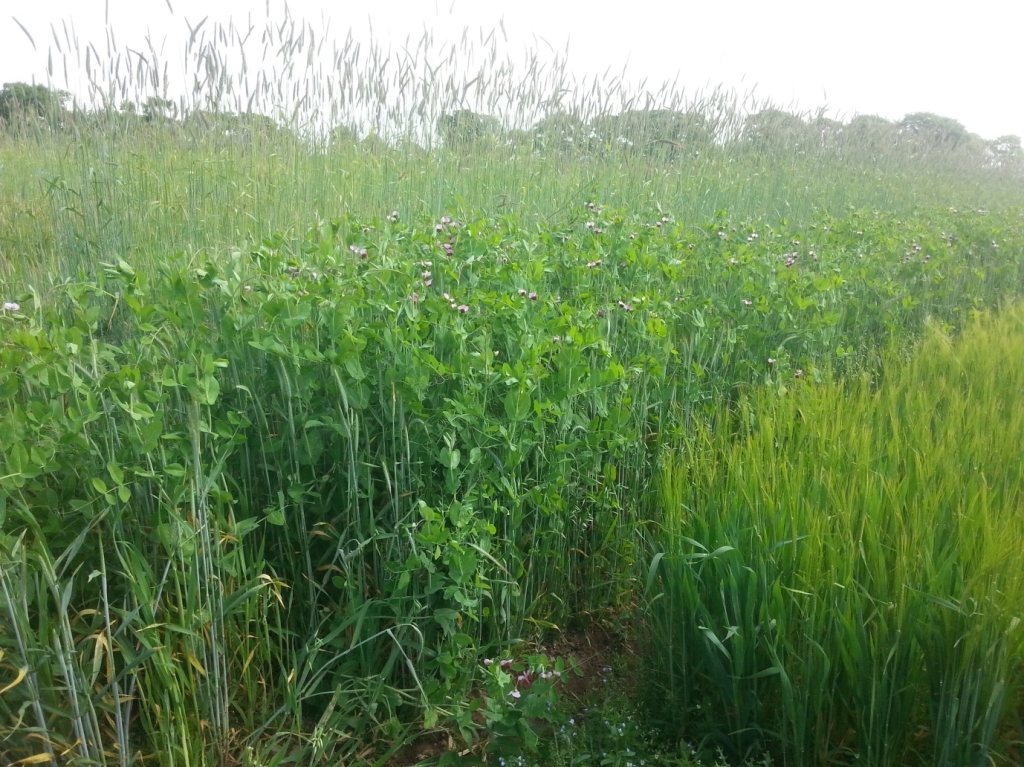
View the project report detailing findings from trials ‘Key mechanisms promoting performance of plant teams‘
Associated Agricology Partner Organisation(s):


Last updated:
12th January 2021Project timeframe:
April 2017 - March 2021Related farming theme :
- Biodiversity
- Cereals, oil seeds & pulses
- Climate
- Crop nutrition & fertility building
- Markets & food systems
- Natural resources & waste
- People & skills
- Pests & diseases
- Pollinators & ecological services
- Roots & horticulture
- Rotations
- Weeds
Funders :
European Union’s Horizon 2020 research and innovation programme under agreement No. 727284Organisation(s):
- DIVERSify project consortium - led by James Hutton Institute
- Linking Environment and Farming (LEAF)
- Organic Research Centre
Contact info

Related articles