
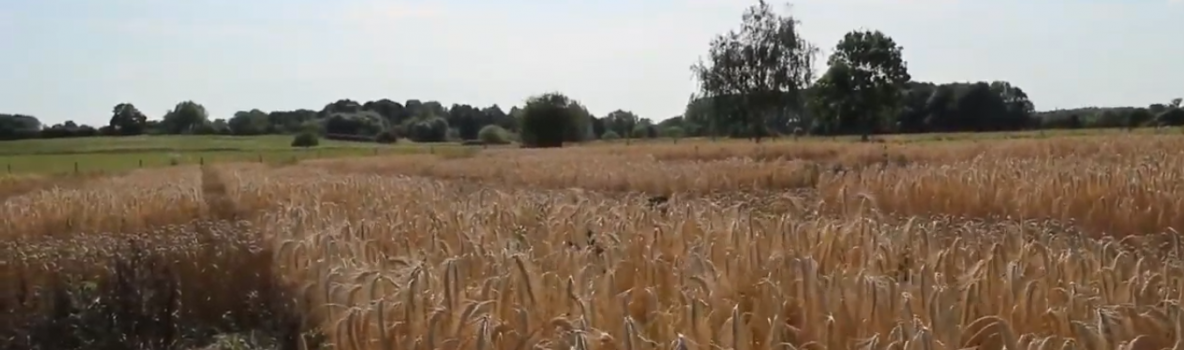
Intercropping Beans and Triticale, Sonning Farm, Berkshire
Research Background
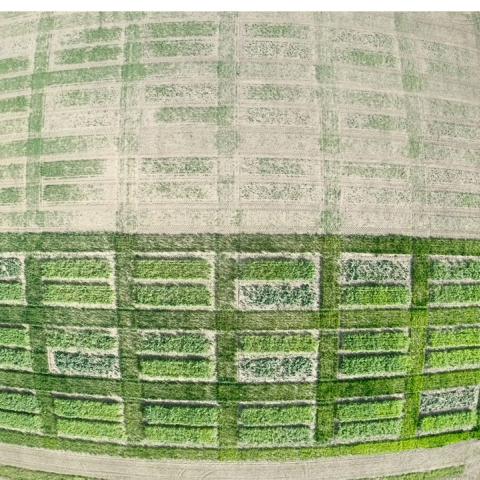
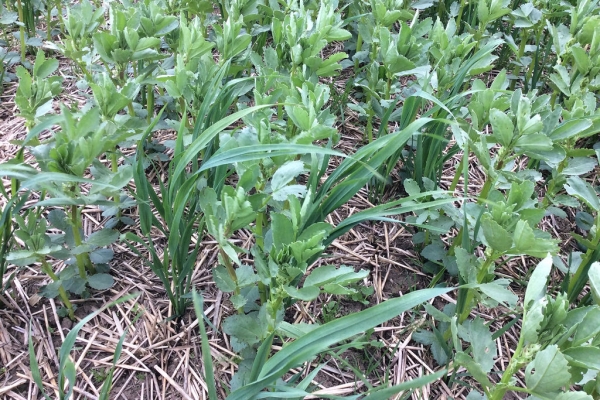
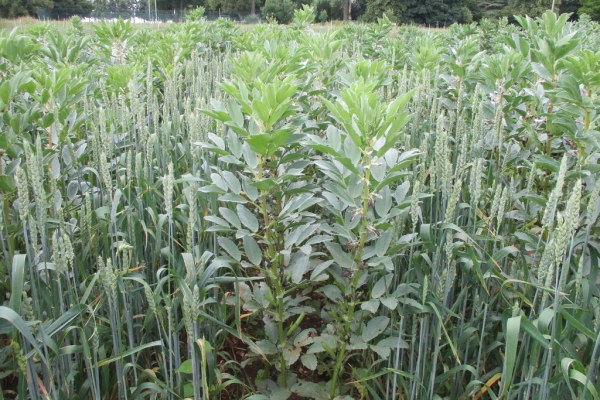
Intercropping cereals and pulses can have a beneficial impact on a number of factors including weed control and harvestability. This trial at the University of Reading Crop Research Centre in 2018/19 compared intercrops of beans and triticale to monocrop comparisons in spring and winter sown crops, looking at the impact on weed control, lodging and yield.
Trial Design
- The trial was set up using 6 randomised blocks for spring and winter sown crops with one replication in each block.
- Plots situated on light sandy loam. Optimal conditions in the autumn for drilling. Very dry spring.
Findings & recommendations
- There was no lodging recorded in any treatment.
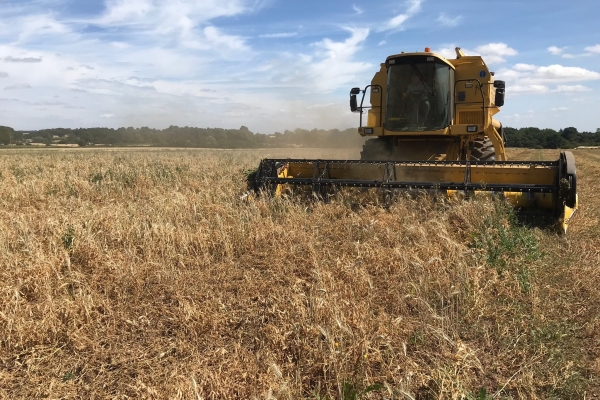
- There was a noticeable difference between the spring and winter crops harvestability, with winter crops flowing better through the combine. This was most likely due to weed burden.
- No data was collected for weed burden however there was a visual advantage to intercropping as a measure of controlling weeds.
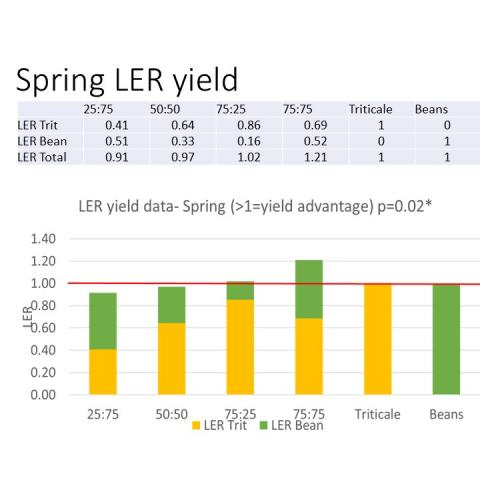
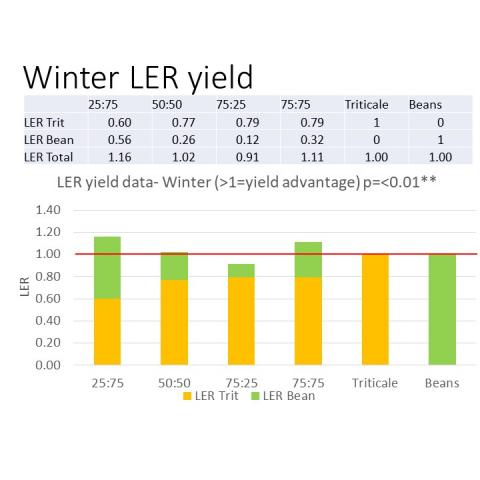
- Yield data suggested winter intercrops more reliably produced positive land equivalent ratio (LER)s while spring intercrops had the potential to produce higher LERs given the right conditions.
| View the results in pdf form here |
David is also currently looking at a number of other factors including in 2019/20 trials:
- Economic returns from intercropping
- Crop combinations of different cereals with bean and different legumes with wheat
- Weed management
- Legacy effect on following crops
- Nutritional benefits (effect on grain nitrogen %)
Associated Agricology Partner Organisation(s):

Related articles
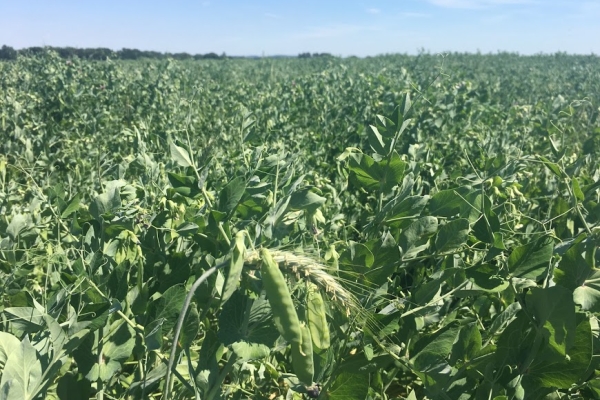
Katie Bliss discusses the benefits of intercropping, including pest, disease and weed management, and increasing resilience to climatic and agronomic shocks.
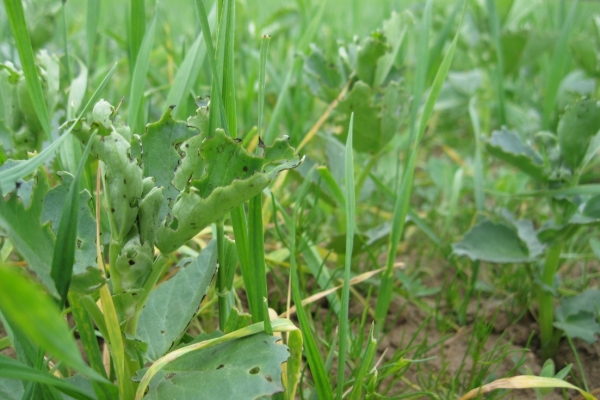
Tegan Gilmore from the Organic Research Centre introduces the Innovative Farmers DIVERSify project which will explore the benefits of intercropping for arable systems.
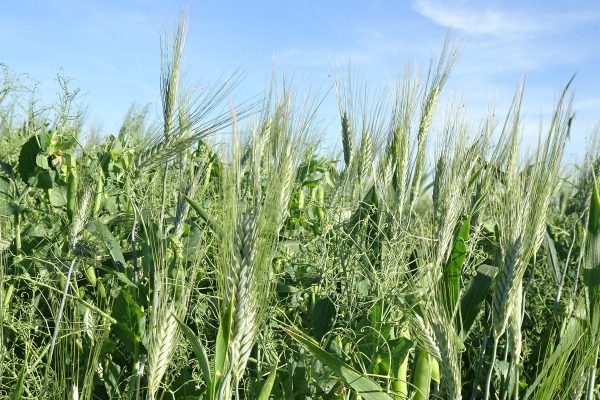
Christine Watson asks what we can do to produce more grain legumes in the UK, and why there is a difference in yield between those...
"My whole philosophy revolves around improving soil health, so we try to minimise practices that damage soils and use certain practices to increase soil health..."
"Overbury Farms is an integrated part of Overbury Enterprises which has been in the same family for over 250 years. It is a mixed farm...
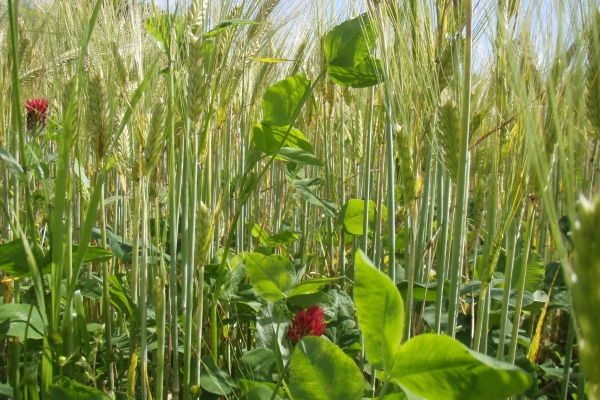
DIVERSify: Designing InnoVative plant teams for Ecosystem Resilience and agricultural Sustainability
This European project aimed to ‘optimise the performance of crop species mixtures or ‘plant teams’ to improve yield stability, reduce pest and disease damage, and...
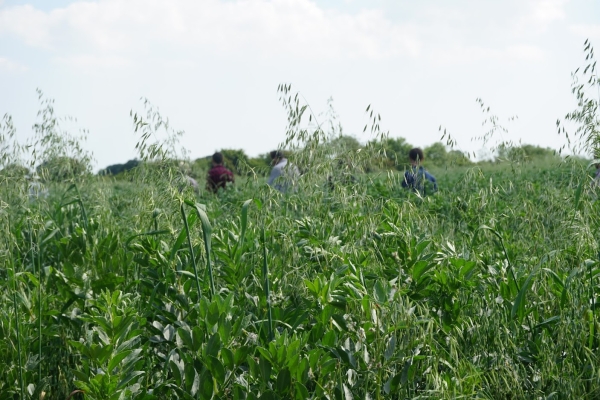
Final report from a field lab that looked at opportunities for intercropping to provide more efficient resource use, reduced pest and disease pressure, and better...
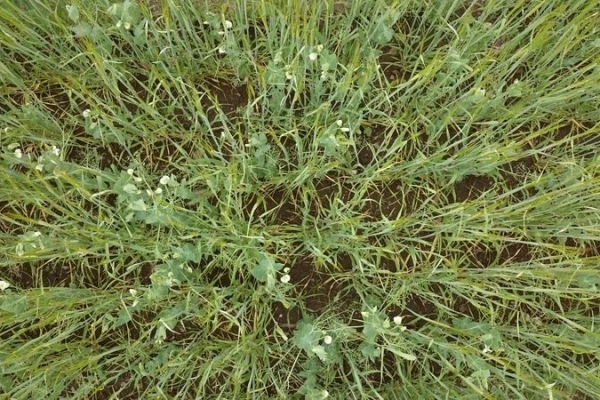
Footage of a discussion held as part of a 3-day intercropping conference that was a collaboration between DIVERSify and ReMIX projects and the Association of...
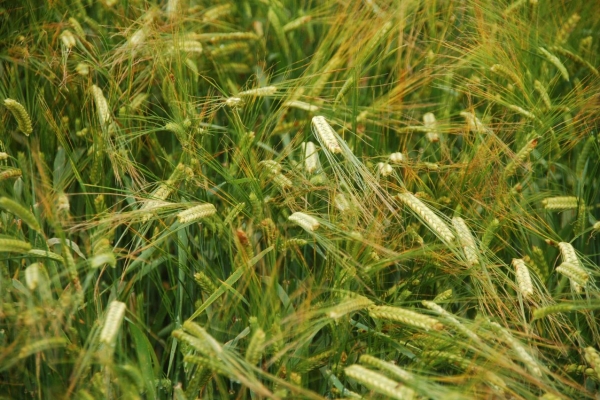
Practical recommendations for exploring the viability of combining grain peas with barley on your farm.
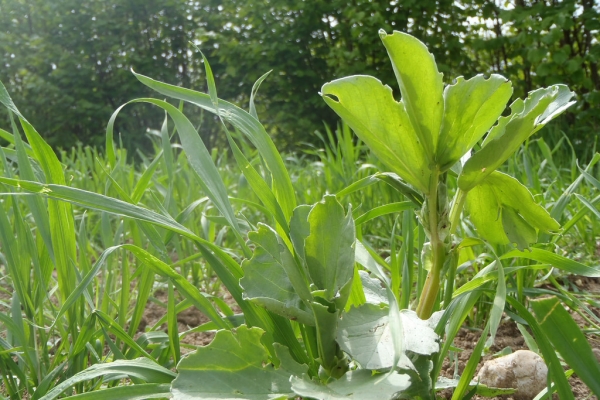
Interesting research highlighting some of the potential challenges and rewards from growing field beans with wheat.
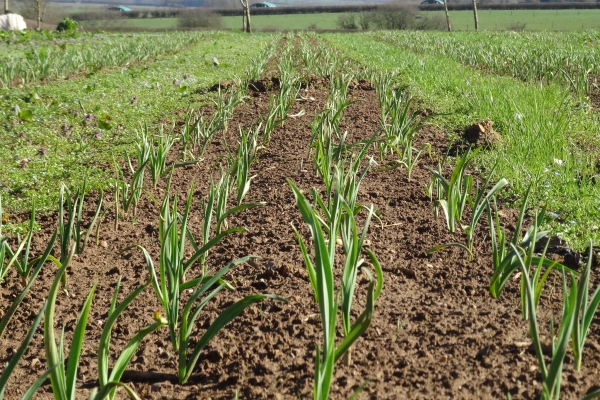
Abstract created as part of the DiverIMPACTS project, outlining outcomes from strip cropping experiments and practical recommendations for designing and managing effective strip systems.
Andrew Howard takes us on a fascinating tour of the potential of intercropping - recorded at an OK-Net Arable project event.
RAU research looking at the effects of intercropping beans and wheat in relation to ecosystem services and forage production.
The DIVERSify project Guide for Farmers and Agronomists - summarising key results from the intercropping research carried out in an easily digestible way, dividing information...
Research showing that intercropping field peas and spring barley can encourage more efficient nitrogen use.
"We are keen to increase diversity of the crops, the business and the people we work with. Connecting with the people who eat and process...
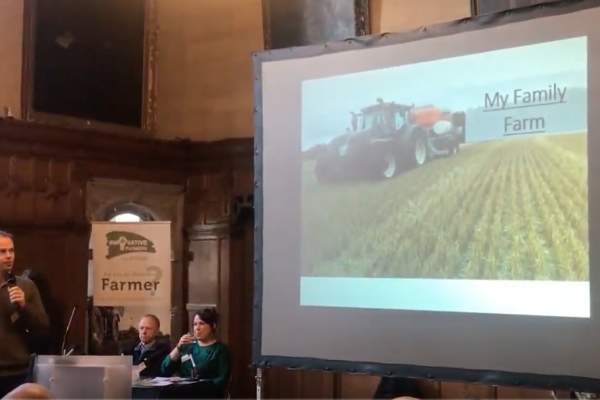
Video footage filmed at the Oxford Real Farming Conference (ORFC) 2019 of Andy Howard of Bockhanger Farms discussing the potential of 'plant teams' in theory...
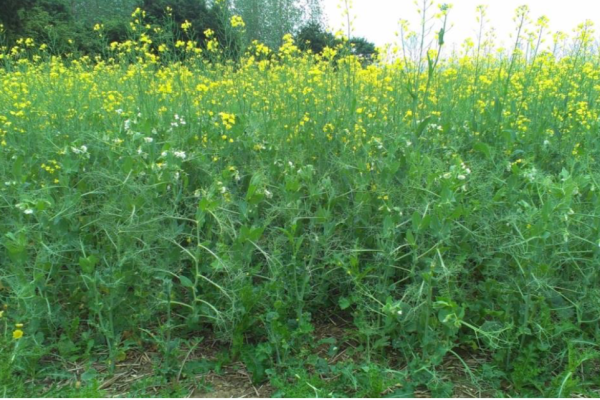
An extensive report outlining the benefits and limitations of companion cropping and intercropping in UK arable farm systems.
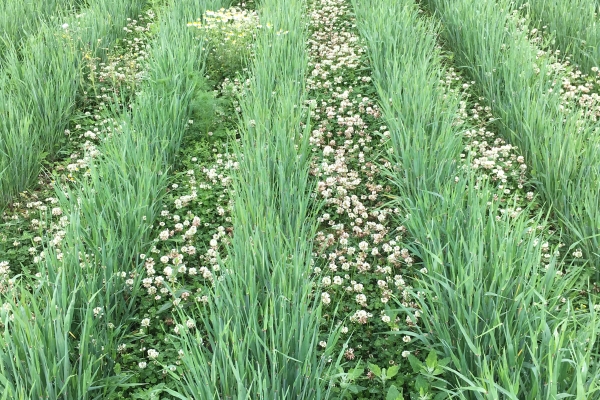
A panel of industry experts discuss solutions to the practical challenges in the growing, harvesting and processing of mixed crops.
Intercropping offers the potential for more efficient resource utilisation, reducing pest and disease pressure and better competition with weeds. This is a recording of an...