
Biostimulants: a practical guide
Resource explained
This is a recording of an Oxford Real Farming Conference 2026 session on biostimulants which covered the theory and practical uses of biostimulants in both arable and horticultural contexts, as well as demonstrating effective use at different scales of food production. Chaired by Calixta Killander the panel included organic growerJayne Arnold (Oxton Organics), regenerative farmer Tim Parton, agronomist Mike Harrington (Edaphos) and permaculturalist Peni Ediker (Swn-y-Coed). Biostimulants are being used at all scales of food production now. What are they? What can they do?
Findings & recommendations
- A biostimulant is anything that stimulates plant growth. Do we need all these products? “Soil is the driver for change, not products.” They can however be an important tool for change in creating a scientific, soil-health based system of farming.
- The product should not become the system. They can by-pass a poor systems approach. Biostimulants do, however have some fantastic qualities, proving plant growth promotion, biotolerance, biofertilisers, biocontrol, and bioprotection. All of these can be provided by your soil system, but if you have a weakness in one, biostimulants can be used to fortify the system.
- One issue is the pigeon-holing and the regulating of these products for single uses that occurs i.e. a seaweed extract registered as a pesticide that can only be used on a specific growth stage of wheat.
- A long-time user of biostimulants, Tim believes they work when used in the right context with clear objectives, and aims to fix nitrogen (N) biologically rather than using synthetic fertiliser.
- He has used zero tillage since 2015, applying liquid biological seed drenches at drilling to activate soil microbiology.
- He believes balanced nutrition prevents pest and disease pressure; excess N invites insects and disease.
- He produces fungal-dominant composts and brews microbial extracts/teas and targets a 2:1 fungi:bacteria ratio to unlock nutrients naturally from soil reserves.
- He uses brewed protozoa to release plant-available N from bacteria.
- He saves his own seed, promotes endophytes and epigenetic adaptation, and avoids fungicidal seed dressings.
- He uses biostimulants for biological disease control and demonstrates lower fusarium and rust versus chemical systems.
- Tim’s core message is work with nature, prioritise soil health, and profitability will follow.
- Peni discusses her experience with biofertilisers, highlighting how making fertilisers on-farm empowers farmers and gardeners.
- Jayne stresses the importance of working with natural materials and seasonal rhythms to support soil microbes and overall soil health. She highlights the value of using locally available materials to make biofertilisers, and discusses using compost extracts and mycorrhizal plants to increase microbial activity and improve plant growth.
Mike Harrington
Tim Parton
Peni Ediker
Jayne Arnold
Browse other ORFC 2026 session recordings
Summary provided by:
Phil SumptionEdited by:
Janie CaldbeckAssociated Agricology Partner Organisation(s):

Organisation(s):
- Oxford Real Farming Conference
Date:
09/01/2026Evidence:
Farmer experience
Copyright:
All Rights ReservedRelated theme:
Key Farming Practices:
- Integrated pest management (IPM)
- Minimum Tillage
- No tillage
- Organic fertilisers
Related articles
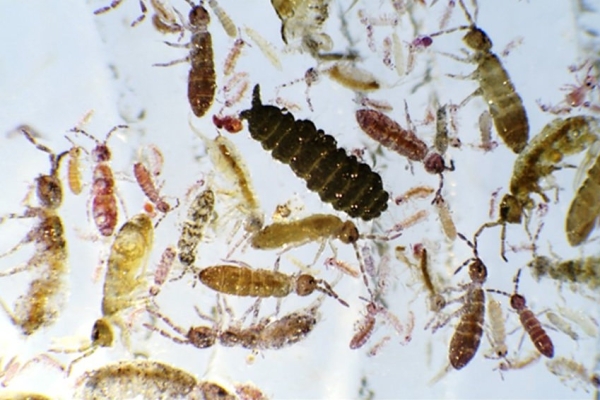
A detailed review to help you recognise farming practices that will encourage soil biota.
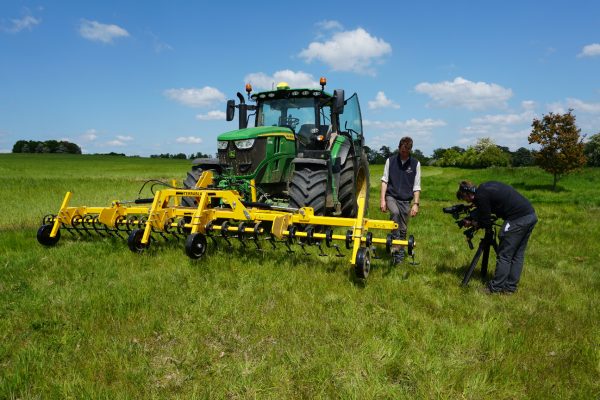
Four short films focusing on promoting sustainable agricultural practices being used on the Waddesdon Estate and beyond.
Recommendations from the SOLMACC project for implementing climate-friendly and resilient farming practices on-farm.
Session from 2024 Oxford Real Farming Conference featuring grower Iain Tolhurst (Tolly) and "biological nutrition" farmer Tim Parton discussing soil health at scale.
Family farm conflicts, benefits of compost teas, preventing disease in apple orchards, how community-owned farms can work - it's all here in this podcast from...
Real Wealh Ranching's 'condensed steps to gradually wean your land from the high cost of synthetic fertilisers without losing your shirt in the process'.