Full of Beans! Integrating dried beans into your crop rotation
Resource explained
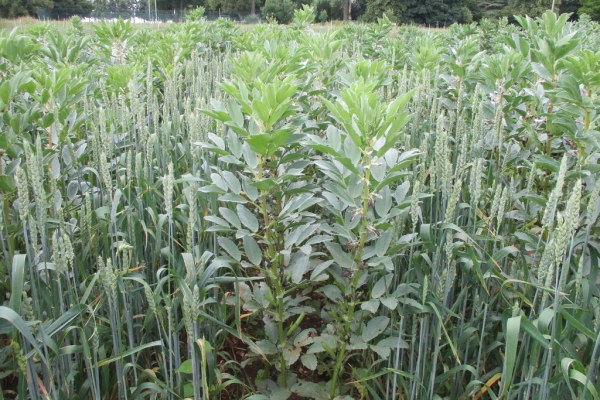
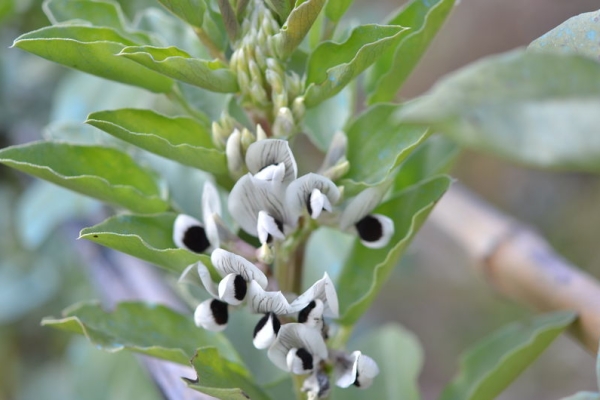
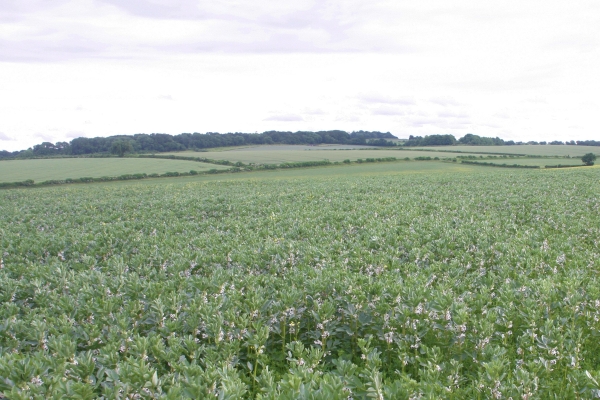
This is a recording of a session at the Organic Growers Gathering in 2024 which explored the potential and challenges of integrating dried beans into arable and horticultural crop rotations. Chaired by Dr.Julia Cooper, the session was kicked off by Nick Saltmarsh from Hodmedod’s who spoke about the market for dried beans, how Hodmedod’s is trying to increase the availability of British organic pulses and grains, and the value of growing high value rare bean varieties on a small scale. Dr Imelda Uwase from Reading University then spoke about her PhD on maize-legume intercropping and the Leguminose project, which aims to increase legume-cereal intercropping throughout Europe. How this can be adapted on a smaller scale to a horticultural setting was explored. Lastly, Isi Mackintosh discussed ORC’s LiveBean project (part of Liveseeding and OPER8), where different individual varieties and mixtures of field beans have been trialled under organic management. The potential to optimise variety choice and mixes to reduce the challenges of organic production systems including weed management was highlighted.
Findings & recommendations
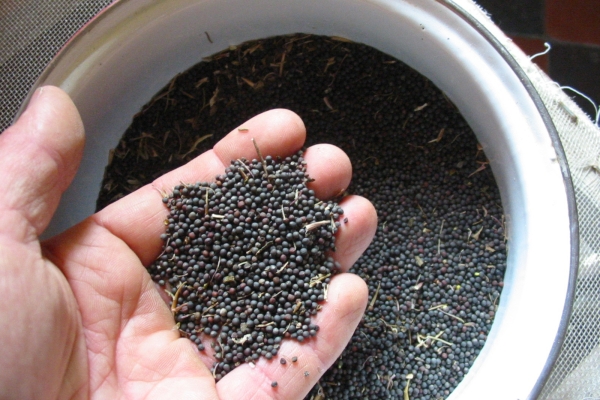
- The main opportunities for market gardeners are the high value Phaseolus species that are difficult to grow on a field scale due to long season requirements, and benefit from intensive growing, and hand harvesting.
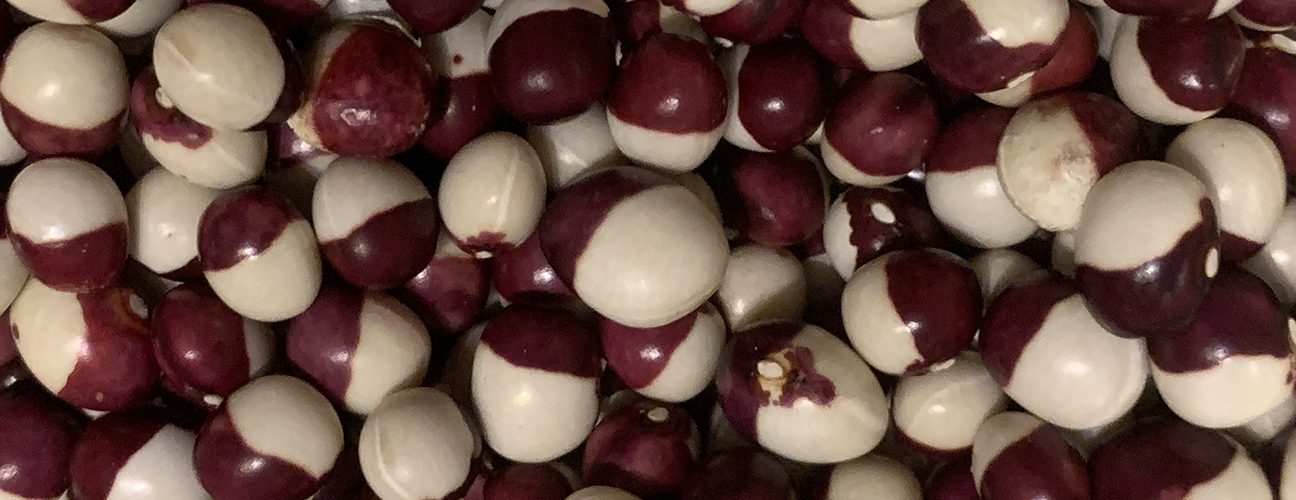
- Phaseolus vulgaris (French beans) has great genetic diversity and potential for dried beans; from Canneloni to borlotti and yin yang beans. Some could also be sold fresh to supplement dried sales.
- Phaseolus coccineus (Runner beans – the white-seeded varieties such as Emergo and Tsar) have huge potential as a ‘butter bean’ alternative (real butter beans are Lima beans – a different species).
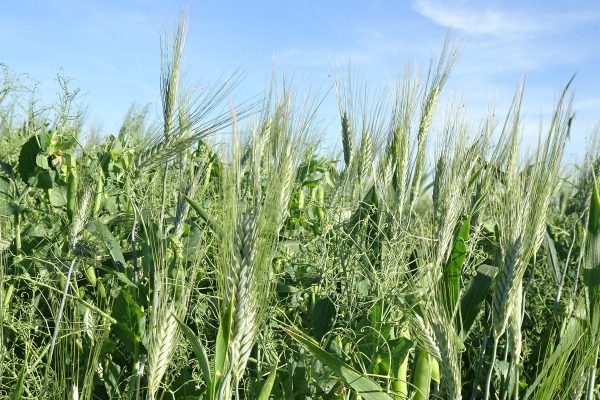
- Roots influence soil microbial communities and their activities. In turn, soil microbes influence plant health and productivity. These interactions affect nutrient cycling, soil carbon sequestration and soil aggregation.
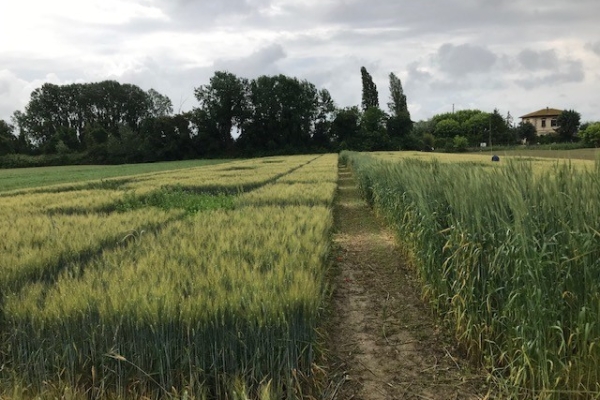
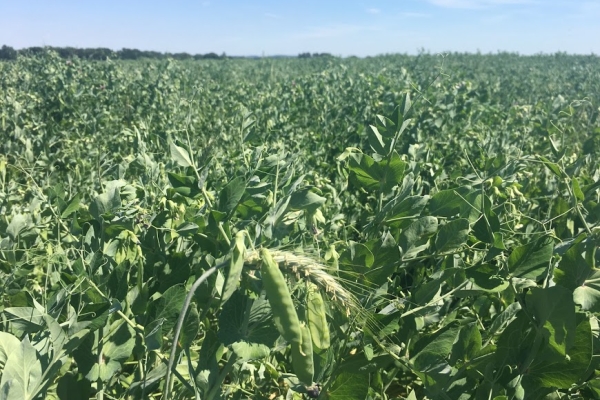
- Intercropping can modify soil processes driven by soil microbes.
- In mixtures , the legume had a stronger effect on soil microbes and their processes.
- Intercropping has a potential positive effect on soil organic matter (SOM) build up, as the microbes seem to preferentially consume what the plant delivers rather than eating up SOM.
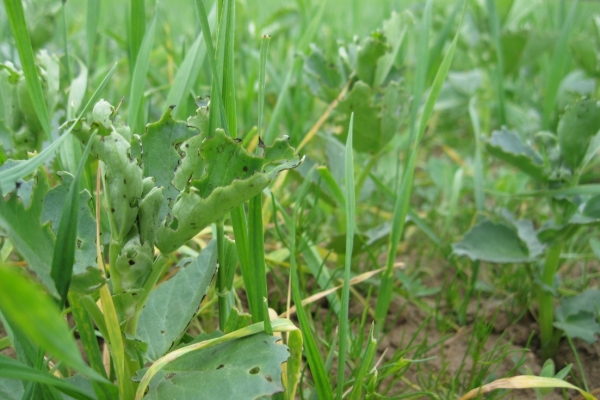
- Fusarium foot rot is a significant agronomic challenge in bean cultivation. It impairs water uptake by reducing root size and causing root blackening, which reduces yield.
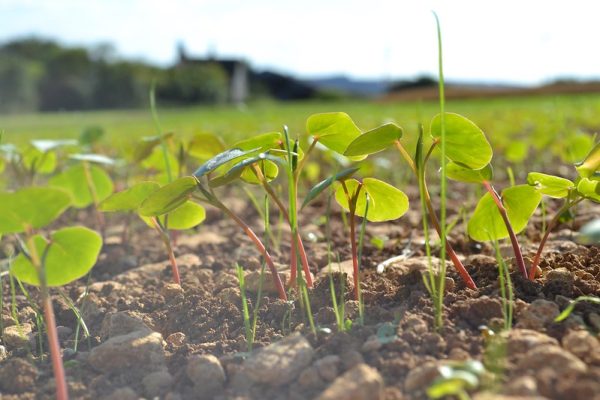
- Early vigour is an important trait to out-compete weeds.
- Of the spring bean varieties trialled, Futura had the highest biomass score and the greatest yield.
- The Viper and Victus blend, and the Viper, Victus and Lynx blend, produced higher yields compared to each variety on its own, suggesting complementarity.
Nick Saltmarsh:
Dr Imelda Uwase on intercropping legumes and cereals:
Isi Mackintosh on varietal selection of legumes:
Summary provided by:
Phil SumptionEdited by:
Janie CaldbeckAssociated Agricology Partner Organisation(s):



Organisation(s):
- Organic Growers Gathering
Date:
04/11/2024Evidence:
Applied research
Copyright:
Public DomainRelated theme:
Key Farming Practices:
- Companion crops
- Diverse rotation
- Intercropping
- Low input crop varieties
Related articles