Nutrient Management Guide (RB209)
Resource explained
The Nutrient Management Guide (RB209) is an authoritative and comprehensive tool that helps you make the most of organic materials and balance the benefits of fertiliser use against the costs – both economic and environmental. The guide explains the value of nutrients, soil and why good nutrient management is about more than just the fertilisers you buy; it can save you money as well as help protect the environment. First published in 1973 by MAFF, it was a government publication until 2010 (8th edition), and since 2015 it has been produced by AHDB. It has evolved over the years from a relatively narrow focus (manufactured fertilisers) to comprehensive guidance. It is updated in partnership with many organisations. The website contains links to downloads of the seven sections of the RB209 publications:
- Section 1: Principles of nutrient management and fertiliser use
- Section 2: Organic materials
- Section 3: Grass and forage crops
- Section 4: Arable crops
- Section 5:Potatoes
- Section 6: Vegetables and bulbs
- Section 7: Fruit, vine and hops
In addtion to the guide, the webpage contains information on nutrient managing planning, NUTRI-CHECK NET (EU-funded network), videos and webinars. Hard copies of the sections of RB209 can be ordered from the page when available.
Findings & recommendations
- Profitable farming: It requires continued development and use of a wide range of skills. Good nutrient management is an important aspect of this and can contribute to business efficiency and reduce environmental impacts.
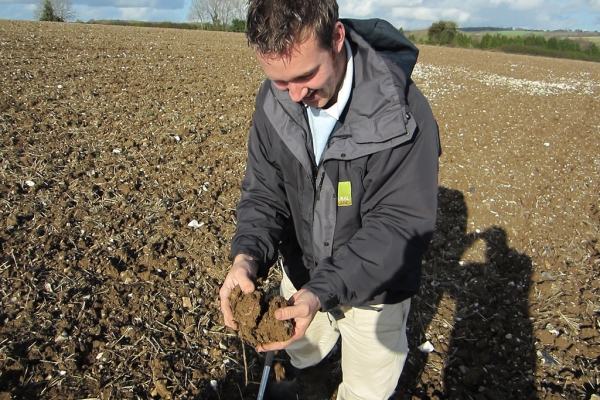
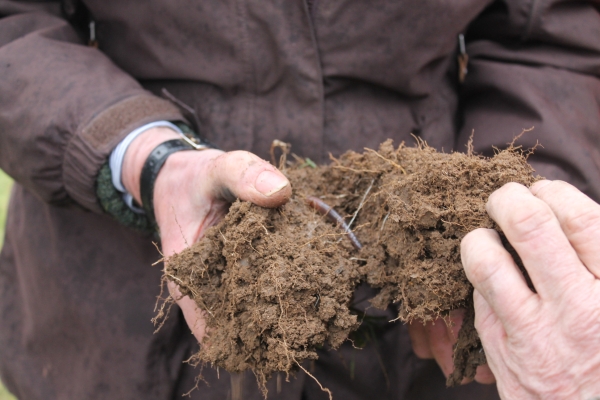
- Soil testing: Regular soil testing is crucial for determining nutrient requirements, ensuring efficient use of fertilisers, and maintaining soil health.
- Nutrient efficiency: Precision in nutrient application to avoid over-fertilisation is important. It can lead to nutrient loss, environmental pollution, and reduced economic returns.
- Balanced fertilisation: The guide advocates for balanced fertilisation that aligns with crop nutrient needs, soil conditions, and weather patterns, particularly nitrogen, phosphorus, and potassium.
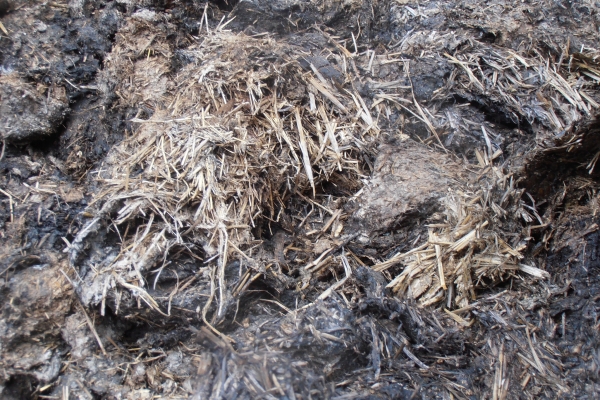
- Organic manures: The guide encourages the use of organic manures but highlights the need for careful management to prevent nutrient imbalances.
- Environmental considerations: Strategies to minimise nutrient runoff and leaching i.e. applying fertilisers at optimal times, and using slow-release fertilisers are recommended.
Recommendations:
- Use precision agriculture techniques for tailored nutrient applications.
- Implement nutrient budgeting to match supply with crop demand.
- Regularly update practices based on new research and local conditions.
- Prioritise sustainable practices that protect the environment and improve soil health.
Summary provided by:
Phil SumptionEdited by:
Janie Caldbeck
Organisation(s):
- Agriculture and Horticulture Development Board (AHDB)
Date:
15/07/2023Evidence:
Applied research
Copyright:
All Rights ReservedRelated theme:
Key Farming Practices:
- Cover crops
- Organic fertilisers
- Soil monitoring
Related articles