
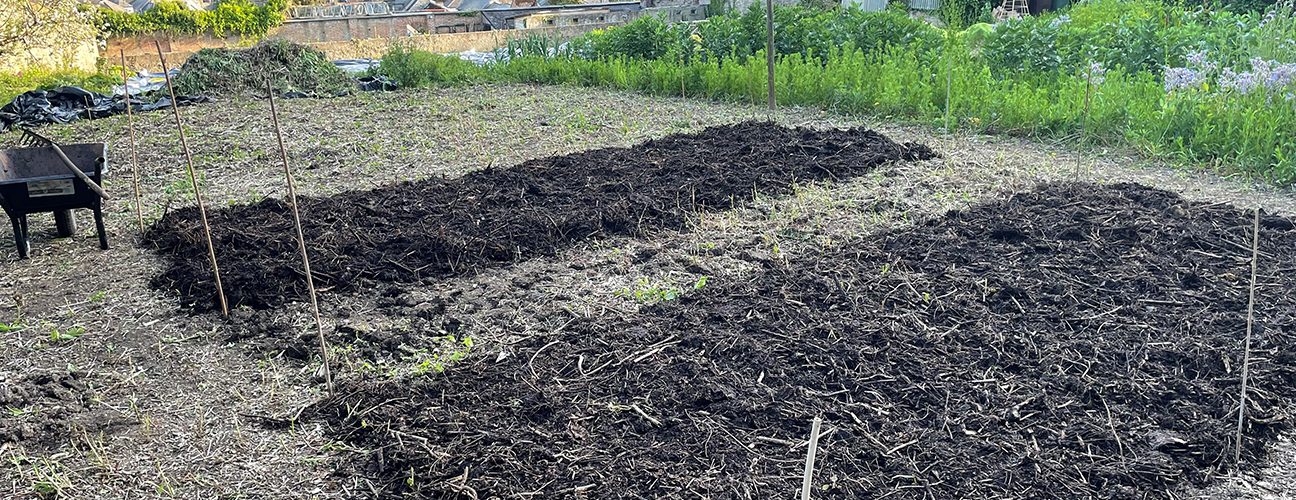
Can composting kill weeds and save carbon?
Resource explained
This short video presents some findings from the Farm Net Zero field lab ‘Optimised compost management for productivity and soil health‘ after 5 years of trials. The video features Hannah Jones from the Farm Net Zero consortium and Jerry Alford from Innovative Farmers introducing the project and talking to some of the professional gardeners (Emma Restorick from Prideaux Walled Garden and Nicola Bradley and Chris Kersey from Lost Gardens of Heligan) seeking to understand the science behind composting, and how to reduce their greenhouse gas emissions through composting.
Findings & recommendations
- Compost safety and quality: Trials showed that well‑managed composting systems can reliably eliminate weed seeds, diseased plant material and invasive weeds, giving growers confidence to return compost safely to productive areas.
- Improved soil and pest management: A combined approach of broad-forking to reduce surface compaction, applying compost, and using weed‑suppressing cover crops significantly reduced wireworm infestation and supported healthier soils.
- Reduced inputs, costs and carbon footprint: Shifting from imported green waste compost and external inputs (e.g. manures, seaweed) to on‑site compost cut costs and reduced the overall carbon footprint associated with materials brought in from outside.
- Importance of a clear composting strategy: Across sites, the main learning was that having a defined composting strategy and policy leads to consistently high quality compost that can be fully integrated into garden and farm systems.
- Value of collaboration and science: The field lab brought scientific rigour to existing practices and enabled peer-to-peer learning, helping participants to fast‑track improvements in composting and soil management.
Summary provided by:
Phil SumptionEdited by:
Janie CaldbeckAssociated Agricology Partner Organisation(s):

Author(s):
Innovative FarmersOrganisation(s):
- Farm Net Zero
- Innovative Farmers
- Soil Association
Date:
27/11/2025Evidence:
Applied research
Copyright:
All Rights ReservedRelated theme:
Key Farming Practices:
- Biological & cultural weed management
- Mulching
- Soil monitoring
Related articles
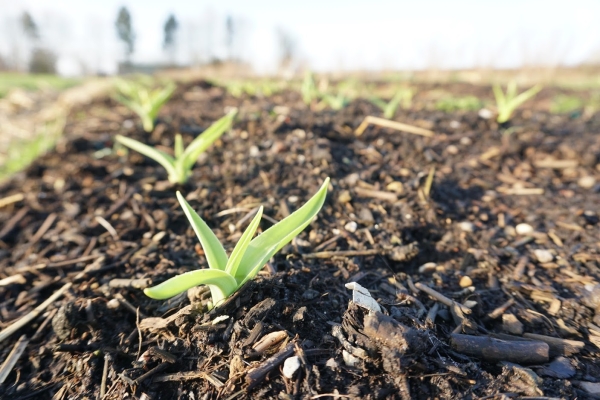
Jez Taylor, head of Daylesford market garden, shares his top tips and secret recipe for making compost.
Practical guidance to inform your use and management of compost, using it to its full potential to improve soil properties and crop yields.
Anaerobic digestate and compost as sources of plant nutrients and organic matter; research findings and guidance on practical application.
Useful guidance from OF&G to help you comply with regulations for using compost and digestate on organic land.
Using green waste compost to help manage reductions in soil organic matter in arable soils; reducing fertiliser use, improving soil health, and reducing landfill
A grower’s experience and insights on using green waste compost within a rotational farming system to improve soil structure.
Recommendations from the SOLMACC project for implementing climate-friendly and resilient farming practices on-farm.
Guidance from the OK-Net Arable project on managing perennial weeds through using suitable machinery and techniques, focusing on stubble cultivation.