
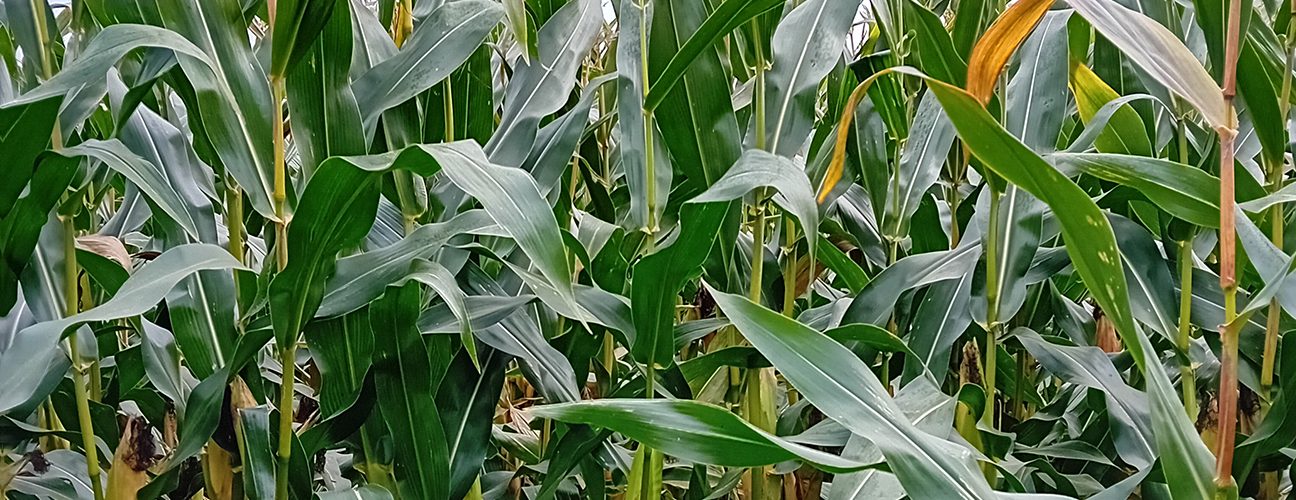
Min-till maize success! How we cut fuel use by 80% & built healthy soil in Cornwall
Resource explained
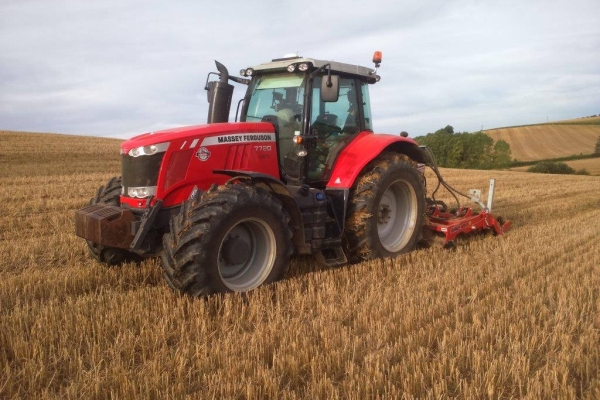
This video features Catherine and Malcolm Barrett from Tregooden Farm in North Cornwall discussing their transition to minimal tillage (min till) and direct drilling as part of the Innovative Farmers Farm Net Zero field lab ‘Maximising the benefits of different maize establishment methods for yield and soil health.’ The Barretts trialed three systems – ploughing, min till (Sumo cultivator), and direct drilling (Mzuri) – to find a sustainable way to grow high-yielding maize while tackling critical issues such as soil erosion and carbon sequestration. See the machinery in action and hear from Soil Association Farming Advisor Jerry Alford.
Findings & recommendations
- Min-till and direct drilling can greatly reduce soil disturbance, protect soil structure, and help retain carbon compared with ploughing.
- Fuel use is dramatically lower with min till: ploughing plus power harrow and drill used 11.1 litres (L)/acre, while direct drilling used about 2 L/acre.
- Cover crops (six-way mix) after spring barley followed by winter grazing with cattle, built soil biology, improved soil structure, and integrated manure naturally.
- Maize established well with min-till: fast germination (within 10 days), producing a healthy, vigorous crop, and strong yields of about 12.5 tonnes/acre at 37% dry matter.
- Soil assessments showed deep-burrowing worms, good aggregation, strong root penetration, and excellent water infiltration and drainage.
- It is recommended to start with cover crops immediately after cereals to keep living roots and biology active in the soil.
- Trial min-till maize on a small area first, and learn from other farmers already doing it.
- Assess each field individually and tailor cultivations (chiselling, light discing, etc.) rather than use one system everywhere.
- Use a low-disturbance direct drill that relieves shallow compaction and creates drainage slots, so seeds don’t sit in water.
Summary provided by:
Phil SumptionEdited by:
Janie CaldbeckAssociated Agricology Partner Organisation(s):


Author(s):
Innovative FarmersOrganisation(s):
- Farm Net Zero
- Innovative Farmers
- Soil Association
Date:
03/12/2025Evidence:
Applied research
Copyright:
All Rights ReservedRelated theme:
Key Farming Practices:
- Direct drilling
- Minimum Tillage
Related articles
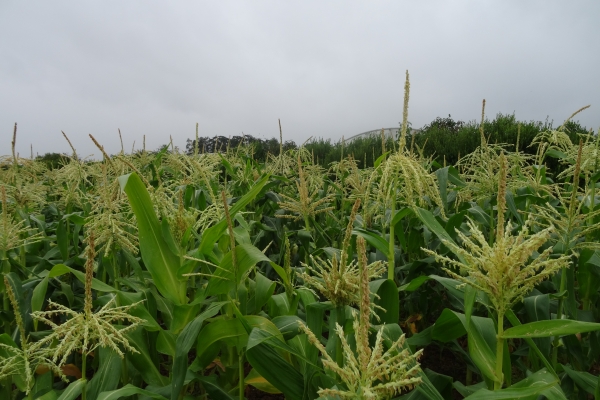
Abstract created as part of the DiverIMPACTS project based on a long-term Dutch field trial, outlining practical recommendations, advantages, and challenges of combining winter cover...
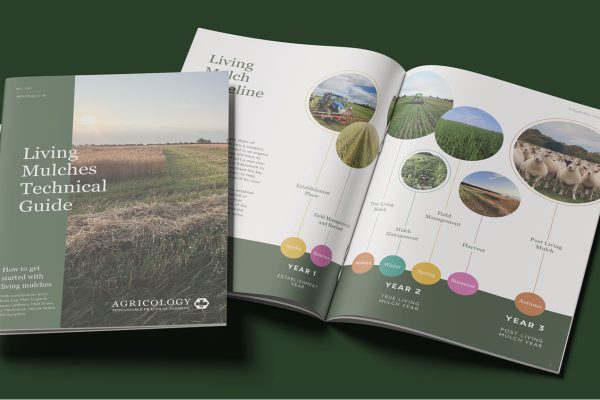
This Agricology technical guide is designed to support farmers in making informed decisions about adopting living mulches in arable systems.
A guide to potential benefits and implications of integrating reduced tillage into your farm management system.
Recommendations from the SOLMACC project for implementing climate-friendly and resilient farming practices on-farm.
Video footage of a member of the TILMAN-ORG project outlining some of the problems and potential solutions associated with reduced tillage.
This TILMAN-ORG project video provides useful insights from farmers who have have adopted reduced tillage on their farms.

This resource consists of the audio recording and presentations from a session at the Oxford Real Farming Conference 2025 which aimed to address the stigma...
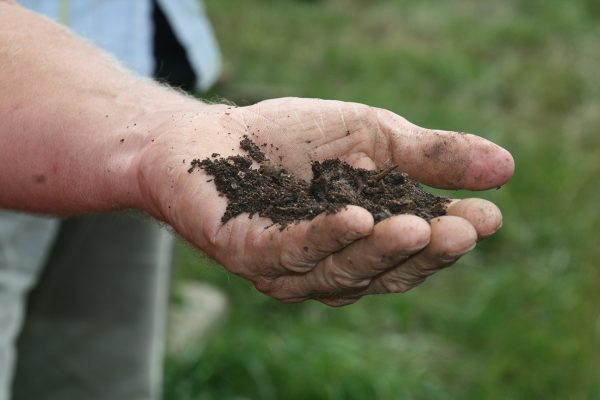
Session from 2024 Oxford Real Farming Conference featuring grower Iain Tolhurst (Tolly) and "biological nutrition" farmer Tim Parton discussing soil health at scale.
The Agricology Podcast offers practical insights into sustainable farming, featuring conversations with farmers, researchers, and advisors. Explore topics such as agroforestry, soil health, regenerative agriculture,...