
Non-Chemical Bracken Management
Resource explained
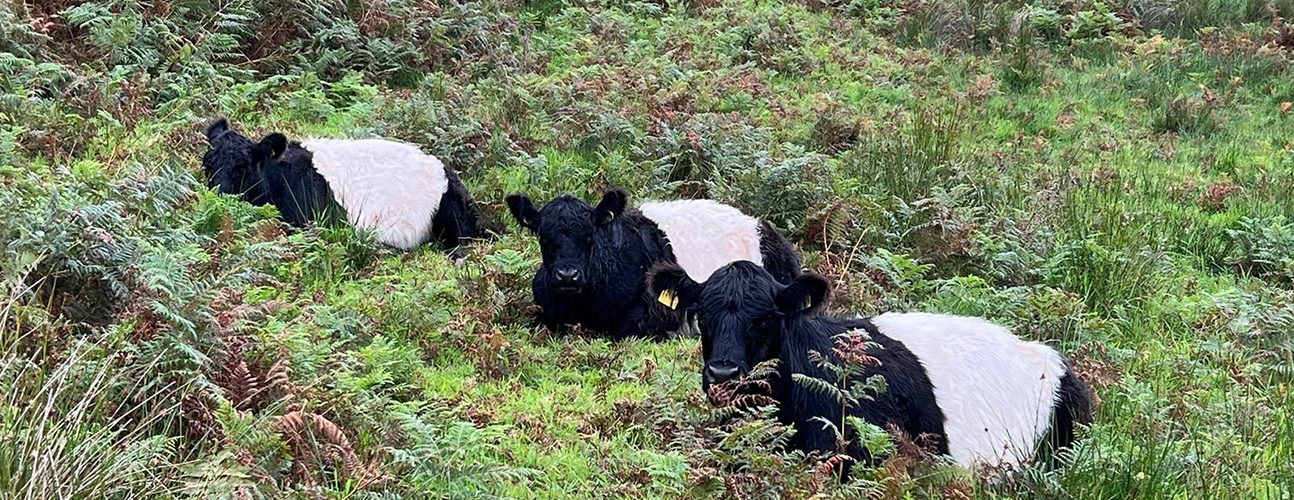
This is a recording of a webinar hosted by Innovative farmers to launch a learning network focused on non-chemical bracken management, bringing together farmers, researchers, and advisors to share experiences, discuss early findings from the two existing bracken field labs, and build a community of practice around sustainable bracken control. Two main approaches have been tested: livestock-led management (cattle, pigs) and mechanical methods, compared against untreated control areas. The webinar brought together Tabitha Acton (Farming Advisor, Soil Association), Fiona Daley (farmer, Innovative Farmers livestock management trialist), and Diarmid Baird (farmer, Innovative Farmers mechanical bracken management trialist).
Findings & recommendations
- Livestock impacts:
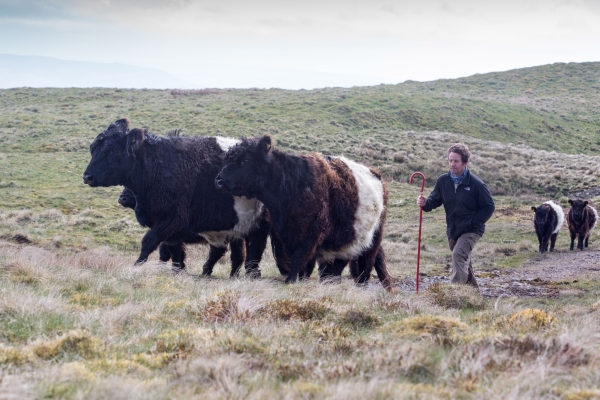
- Grazing and trampling reduced bracken height and weakened plants over time.
- Cattle-created soil disturbance helped grass and wildflowers re-establish.
- Mosaic habitats (bracken, grass, glades) supported higher biodiversity, including insects and birds.
- Mechanical management:
- Pasture topping and roller crimpers reduced bracken vigour without having to use chemicals.
- Crimping rather than cutting bruised stems, disrupting regrowth more effectively than mowing alone.
- Timing matters: late summer (July–August) treatments were most effective.
- Measured outcomes (after ~2 years):
- Average bracken density on managed sites reduced by ~34%.
- Average bracken height reduced by ~42% on managed sites, versus minimal change on controls.
- Soil and carbon:
- Baseline soil health and carbon data was collected; long-term monitoring is needed to ascertain clear trends.
- There is no silver bullet – successful control depends on goals, land type, timing, and follow-up management (grazing or tree planting).
Summary provided by:
Phil SumptionEdited by:
Janie CaldbeckAssociated Agricology Partner Organisation(s):


Author(s):
Innovative FarmersOrganisation(s):
- Innovative Farmers
- Soil Association
Date:
21/11/2025Evidence:
Applied research
Copyright:
Public DomainRelated theme:
Key Farming Practices:
- Biological & cultural weed management
- Mechanical weeding
- Mixed farming
- Pasture fed livestock
- Rotational grazing
Related articles
"Our overall philosophy is that farming within natural processes is important for the health and welfare of our livestock, environmentally, and in terms of biodiversity,...
"...our focus is now on woodlands you can graze animals through and designing them that way - and we have gone from more of a...
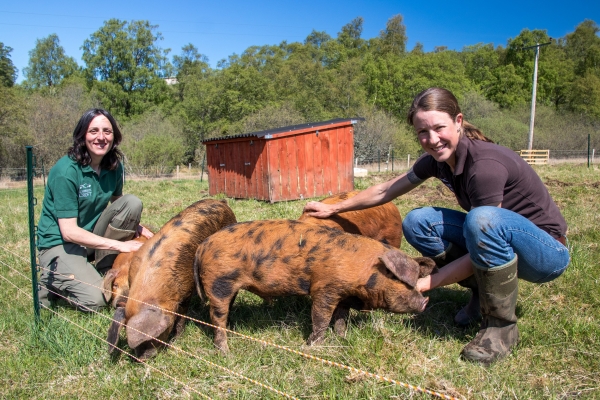
"Nature is our guide. We observe natural processes and we copy them, as best as we can. This is our philosophy for growing food, running...
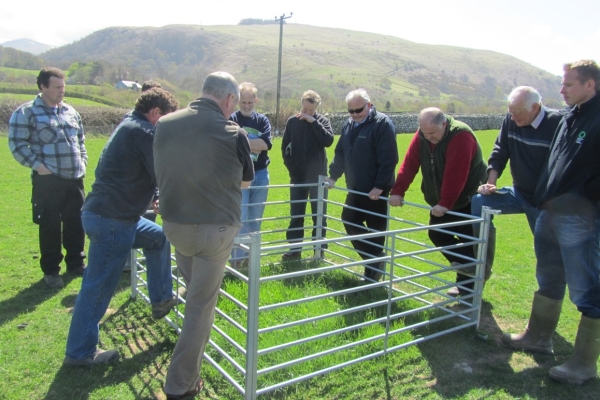
Henfaes Research Centre is Bangor University’s research farm... it provides a 49-hectare lowland holding of field, laboratory and greenhouse facilities for research and teaching. It...
"One of our main concerns is delivering optimum results for both animals and nature by maintaining a balance and preventing woodland and scrub from overwhelming...
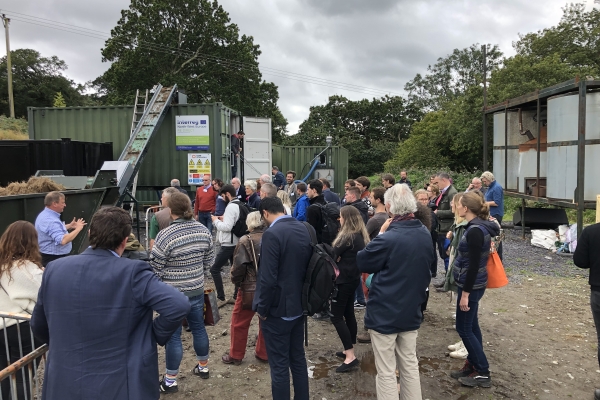
Rachel Smith reports back from a conference in North Wales that marked the end of the RE-DIRECT project.