Tim Downes – The Value of Tree Fodder in Silvopasture Systems
Resource explained
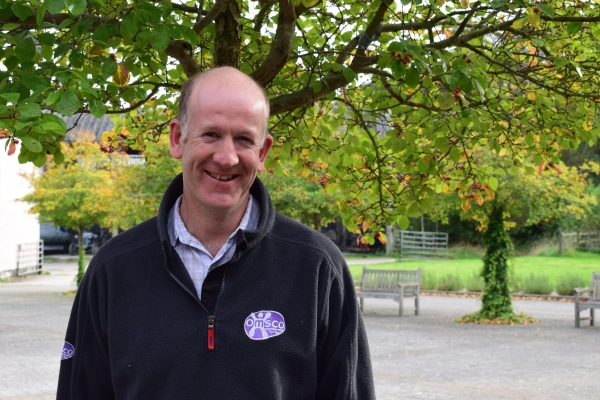
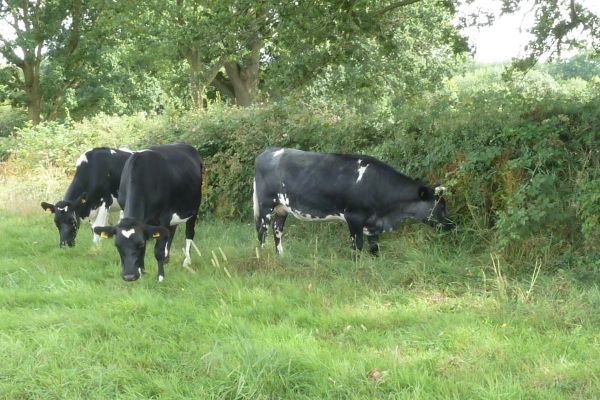
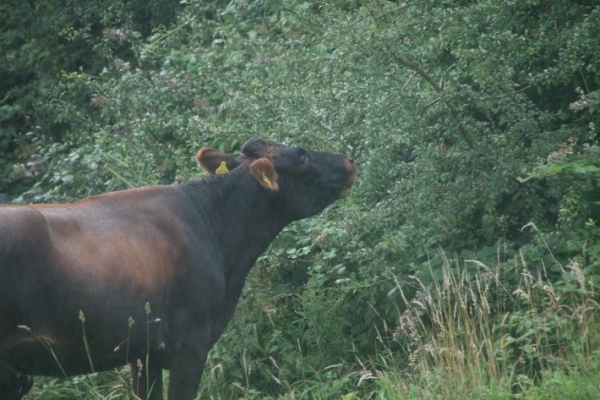
This is a short video (15 minutes) of Tim Downes’ presentation at the 2020 Oxford Real Farming Conference. Tim talks through the benefits and challenges of integrating trees into his Shropshire dairy farm. He aimed to prove that cows can self-medicate by grazing on trees, inspired by a visit to the Acres Conference in America. Research with Harper Adams and assistance from the Woodland Trust helped identify suitable trees for the farm’s soil types and native trees, including willow for its salicylic acid content. The farm has participated in various research projects with Harper Adams University including GPS-monitoring of where cows graze and browse, and the Public Goods benefits of agroforestry.
*Note there are some audio and visual quality issues with this recording.
- Tim highlights the benefits of planting trees, including providing shelter, slowing down winds, and improving soil permeability.
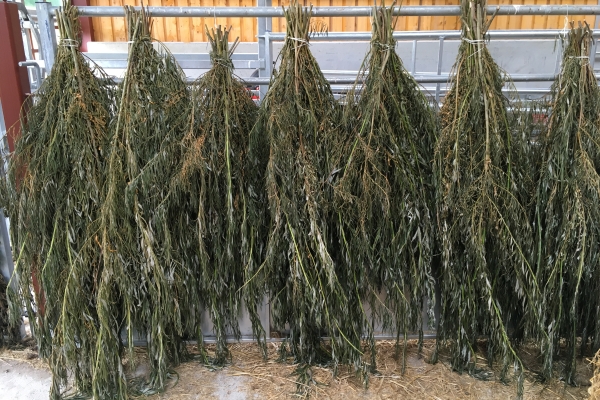
- Willow contains salicin (precursor of salicylic acid/aspirin). Effects: pain relief, anti‑inflammatory, slower onset but longer‑lasting than conventional drugs. Younger willows and spring growth contain higher levels of salicin. Cows actively seek willow – in new paddocks they often go to trees before grass.
- The farm faces challenges with rowdy heifers damaging trees and the need for re-propping due to strong winds, but the trees are proving to be palatable and beneficial for grazing cows.
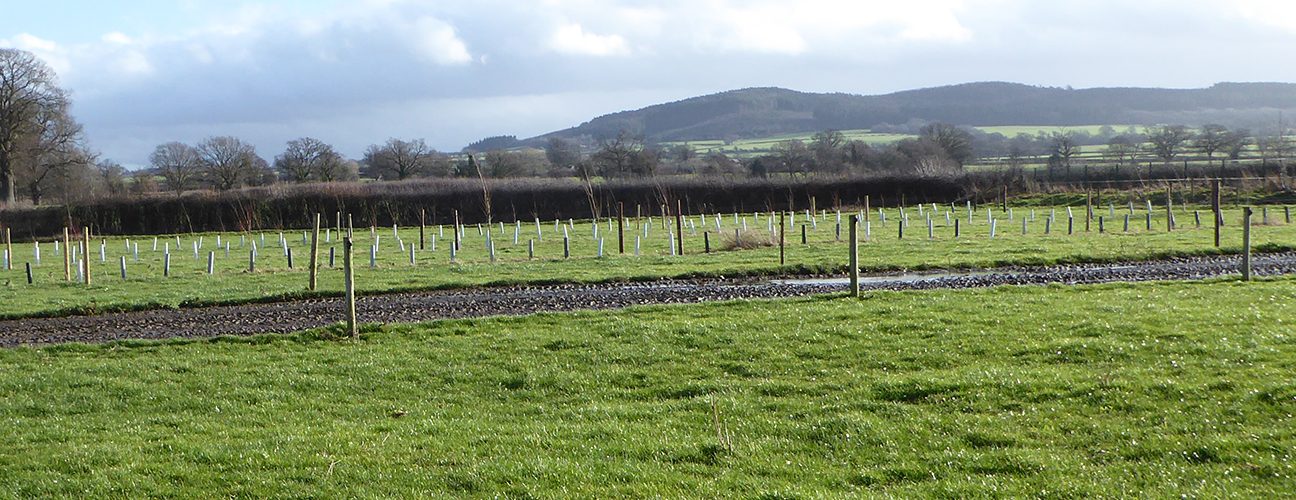
- The farm has planted trees in specific areas, including next to the milking parlour and in a tender loving care (TLC) paddock for post-calving cows.
- The trees are integrated into rotational grazing, allowing cows to graze virtually to the base of the trees without losing significant grassland.
- Alder and other trees provide additional diverse forages and shelter. Walnut trees around yards appear to reduce nuisance flies (insect‑repellent compounds).
- Worm numbers have been 10× higher under tree lines compared with the middle of fields.
- Trees and associated management likely contribute to better young stock health. The farm has been producing milk without antibiotics since 1994.
Findings & recommendations
Summary provided by:
Phil SumptionEdited by:
Janie CaldbeckAssociated Agricology Partner Organisation(s):

Organisation(s):
- Agricology
- Oxford Real Farming Conference
Date:
08/01/2020Evidence:
Applied research
Copyright:
Public DomainRelated theme:
Key Farming Practices:
- Diverse feed & forage
- Homegrown feed
- Silvopastoral
Related articles