Herbal Leys and Dairy Webinar
Resource explained
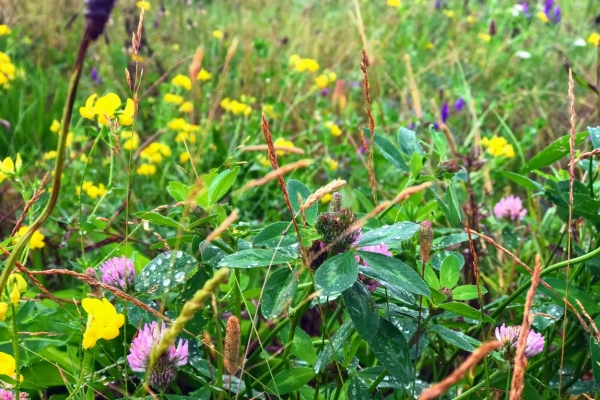
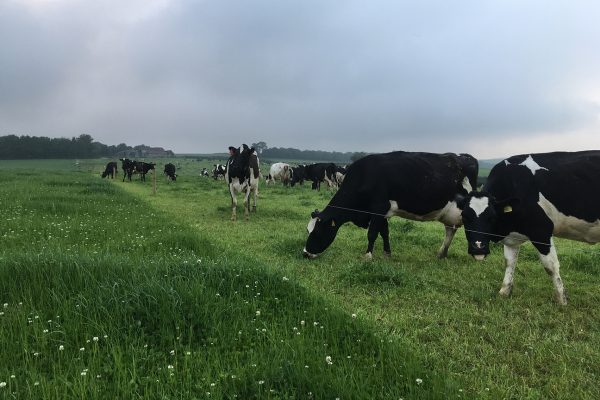
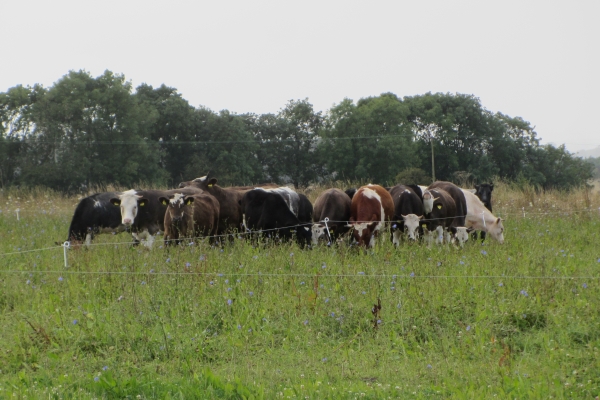
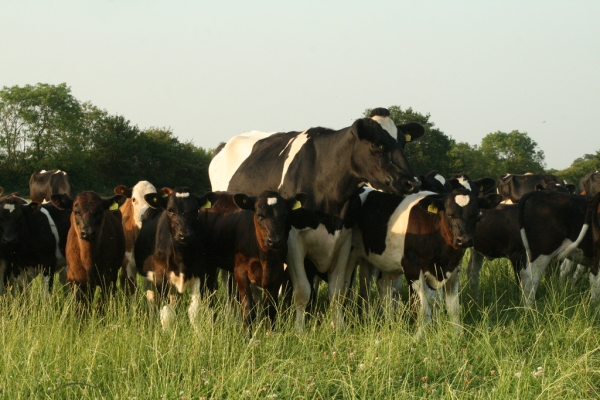
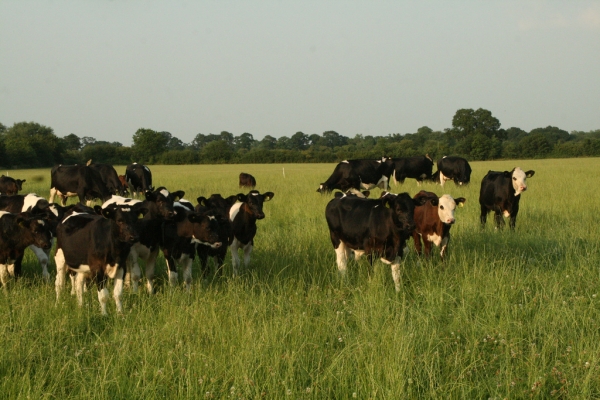
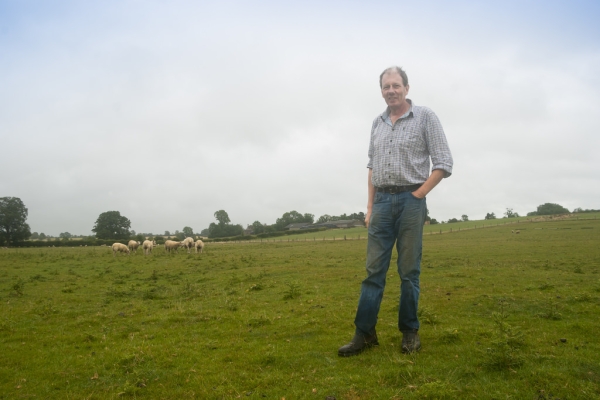
This is a recording of a webinar hosted by Innovative Farmers that draws on two field lab trials which completed in 2025. Chaired by Laura Gude, Cornish farmer Andrew Brewer and researcher Dr Daniel Enriquez Hidalgo (University of Bristol) talk about the Farm Net Zero field lab which monitored differences in milk yield and quality between cows grazing a conventional ryegrass sward and those grazing a herbal ley. Dorset farmer Tom Gregory explains his shift towards regenerative and agroecological approaches, including using compost, diverse cover crops, and herbal leys. He shares results of field lab trials on his farm, which investigated the impact of a longer rest period/taller sward height on soil health characteristics. The Soil Association’s Kate Still discusses the health and welfare benefits of herbal leys, including improved nutritional quality, parasite control, and positive welfare outcomes. Hannah Jones (Farm Carbon Toolkit) focuses on herbal leys, highlighting the impact of soil conditions and referring to pH, soil organic matter, and compaction.
Findings & recommendations
- Do herbal leys affect milk yield and quality?
- Herbal leys produced substantially more herbage and offered a more diverse diet while maintaining similar milk yield and quality.
- No clear short‑term health or fertility advantage was demonstrated in this particular trial, but there are strong indications of soil, nutrient, and potential environmental benefits.
- The animal‑level health and welfare benefits require further and more detailed studies..
- Tom Gregory
- Compost, diverse cover crops, herbal leys, and better grazing have improved soil structure, fungi:bacteria ratios, rooting depth, and nutrient availability in swards. In many cases taller swards and longer rest periods have maintained or increased forage yields and supported good milk performance.
- Herbal leys and tall grazing can work well, but outcomes depend strongly on initial soil health, compaction, and management detail.
- No single tool or drill always works; success is field‑specific and system‑dependent.
- Kate Still
- Kate highlights the importance of providing animals with a diverse diet and allowing them to choose their food.
- She explains the frameworks developed to measure positive welfare experiences and encourages farmers to consider the broader benefits of herbal leys for animal health and welfare.
- Hannah Jones
- Soil conditions have a big impact on the success of herbal leys, including pH, soil organic matter, and compaction.
- She highlights the importance of species selection and nutrient management to achieve successful herbal ley establishment.
Summary provided by:
Phil SumptionEdited by:
Janie CaldbeckAssociated Agricology Partner Organisation(s):

Author(s):
Innovative FarmersOrganisation(s):
- Farm Carbon Toolkit
- Farm Net Zero
- Innovative Farmers
- Soil Association
Date:
29/01/2026Evidence:
Applied research
Copyright:
Public DomainRelated theme:
Key Farming Practices:
- Diverse / herbal leys
- Mixed farming
- Pasture fed livestock
- Rotational grazing
- Soil monitoring
Related articles