Reflections on ORFC 2026
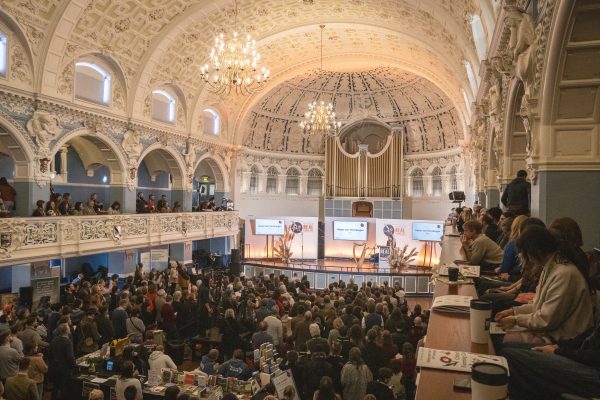
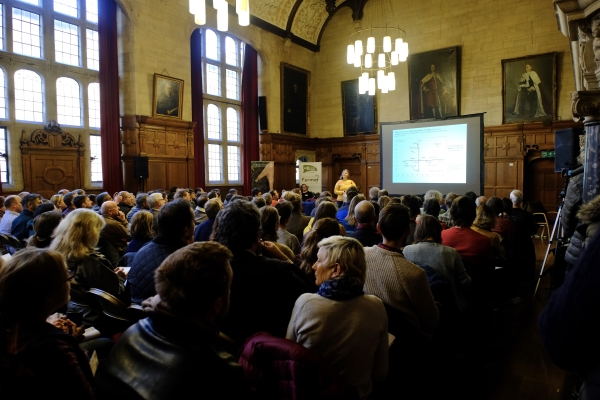
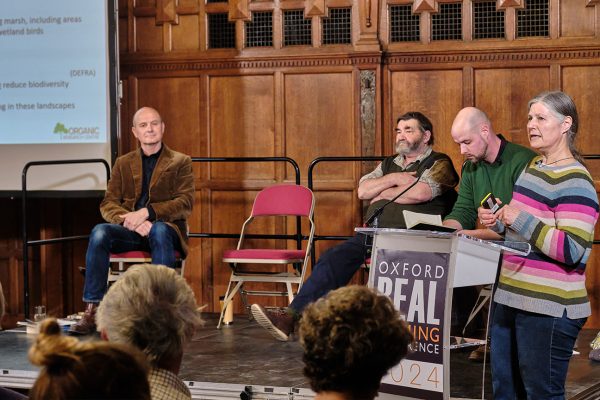
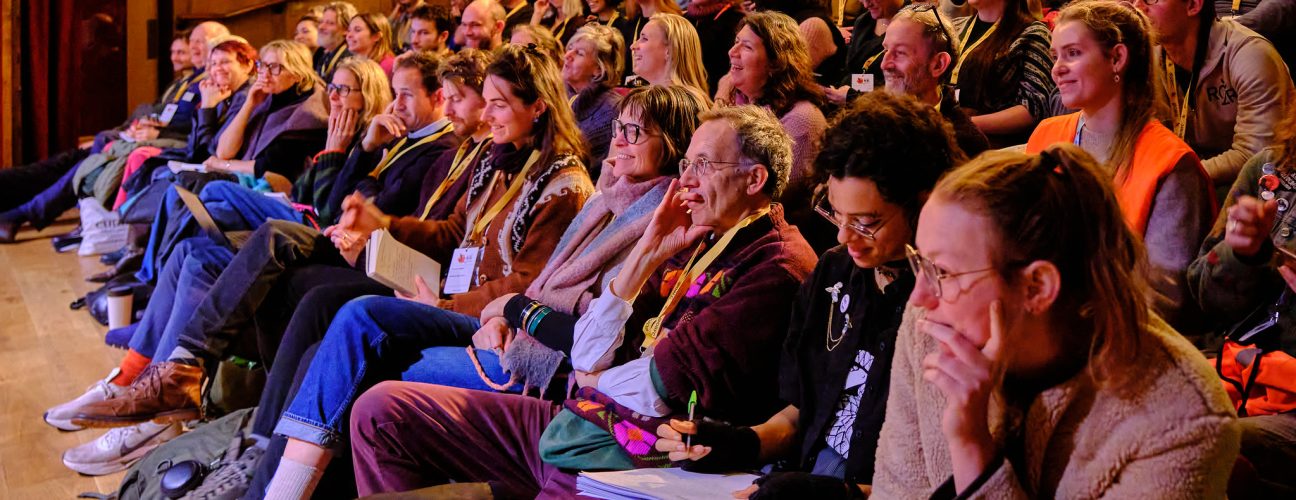
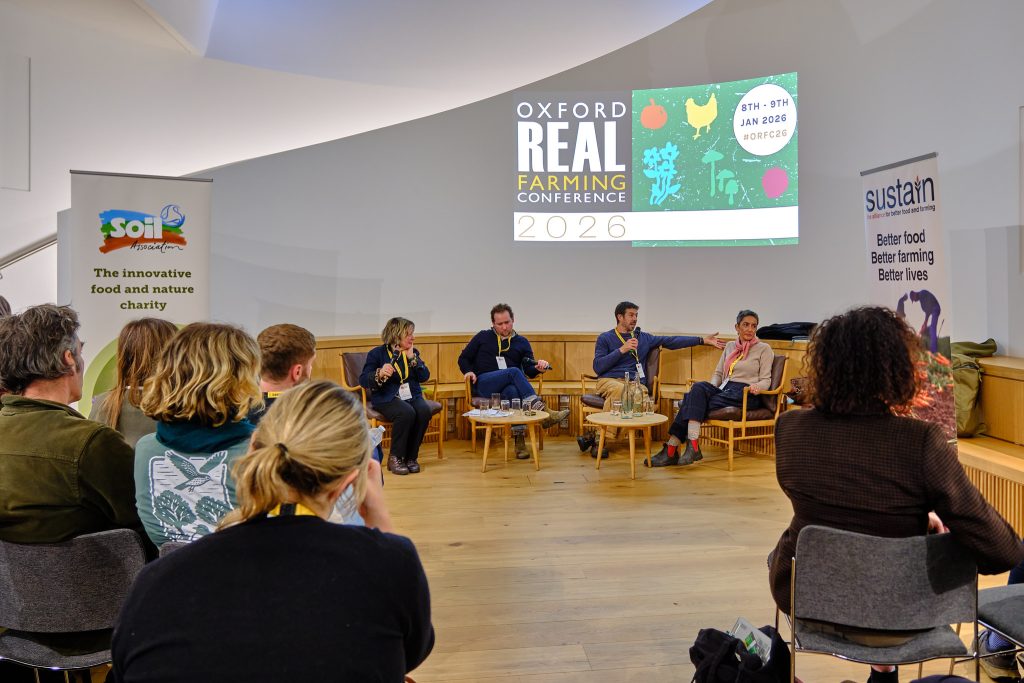
As the dust settles after another busy and exciting year at the Oxford Real Farming Conference, attendees from across the UK and beyond have been left with plenty of food (or fodder) for thought.
The conference started with a collection of different perspectives designed to challenge and invite – from Charlotte Church singing “we are here because we care,” Andy Dibben pronouncing change will come from the bottom up, and Calixta Killander extolling the virtues of the ability of horses to be present in the moment, to Carla Sarrouy Kay focusing on the ethic of deep listening, and Claire Whittle inviting us to go forward as per the “earth movers” (dung beetles), and work individually or collectively to break down the crap and turn it into something nourishing. In a similar spirit, the Agricology possie have decided to bring you a collective blog of highlights… Over to you, Alice…
The Enduring Power of Place
This year one theme resonated for me above all others: the enduring power of place. In a world increasingly dominated by digital detachment, the 2026 conference served as a vital reminder that sustainable food and farming are fundamentally rooted in geography.
In the Opening Plenary, Andy Dibben started proceedings by stating “We are all connected by a connection to the land.” This theme of connection to land was perhaps most visible in the ‘Roots & Revival‘ session, during which Christopher Price of the Rare Breeds Survival Trust explained how traditional agricultural crafts such as hedgelaying, hand shearing and stone walling are not merely aesthetic relics but “embodied practices”, sitting at the intersection of livestock, landscape, and human skill.
In this session, panelists Claire Whittle and John Atkinson explored how regional styles of hedging and walling are designed to adapt to local farming typologies and resource availability. I learnt how rare breeds are “living expressions of place”, shaped by the people and the specific environments they inhabit, and that caring for them through the use of traditional skills is the foundation low-input, place-based farming.
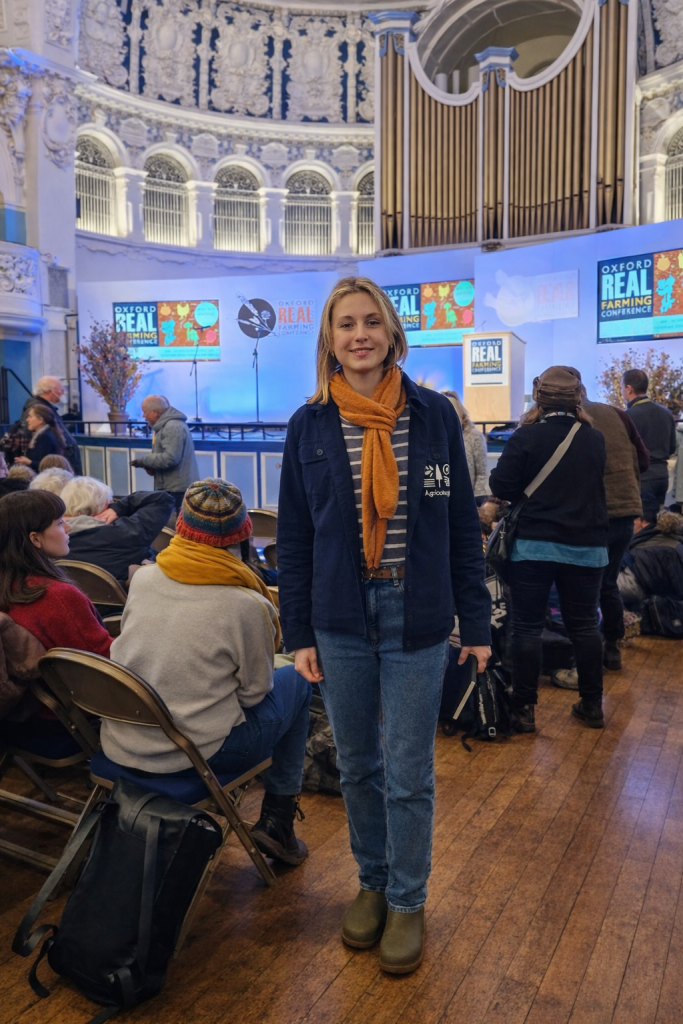
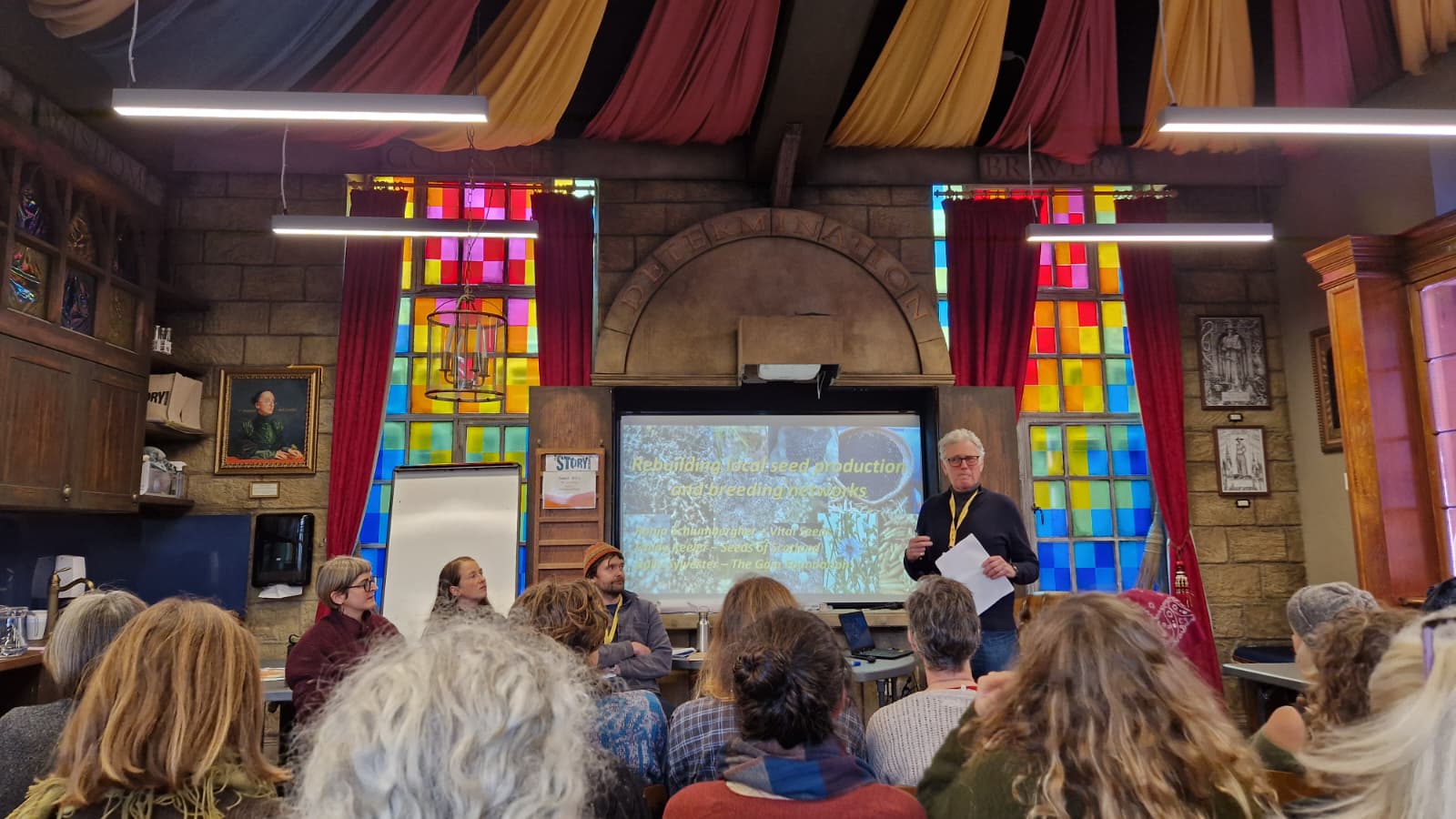
The importance of place was also underscored in a session I attended on rebuilding local seed production and breeding networks, during which speakers Holly Silvester (The Gaia Foundation), Ronja Schlumberger (Vital Seeds), and Finlay Keiller (Seeds of Scotland) talked about how seeds interact with the soil microbiome to create a “memory” of local conditions, which is then passed to the next generation. This biological adaptation is one reason why seed saving and sourcing native, locally-produced seeds is immensely important.
A similar sentiment was echoed in Thursday’s session introducing biostimulants with Jayne Arnold, Peni Ediker, Tim Parton, and Mike Harrington, who were all keen to stress that there is no “one-size-fits-all” approach to soil health. Instead, farmers should strive to understand their unique soil type on a deep level before addressing any structural or biological issues.
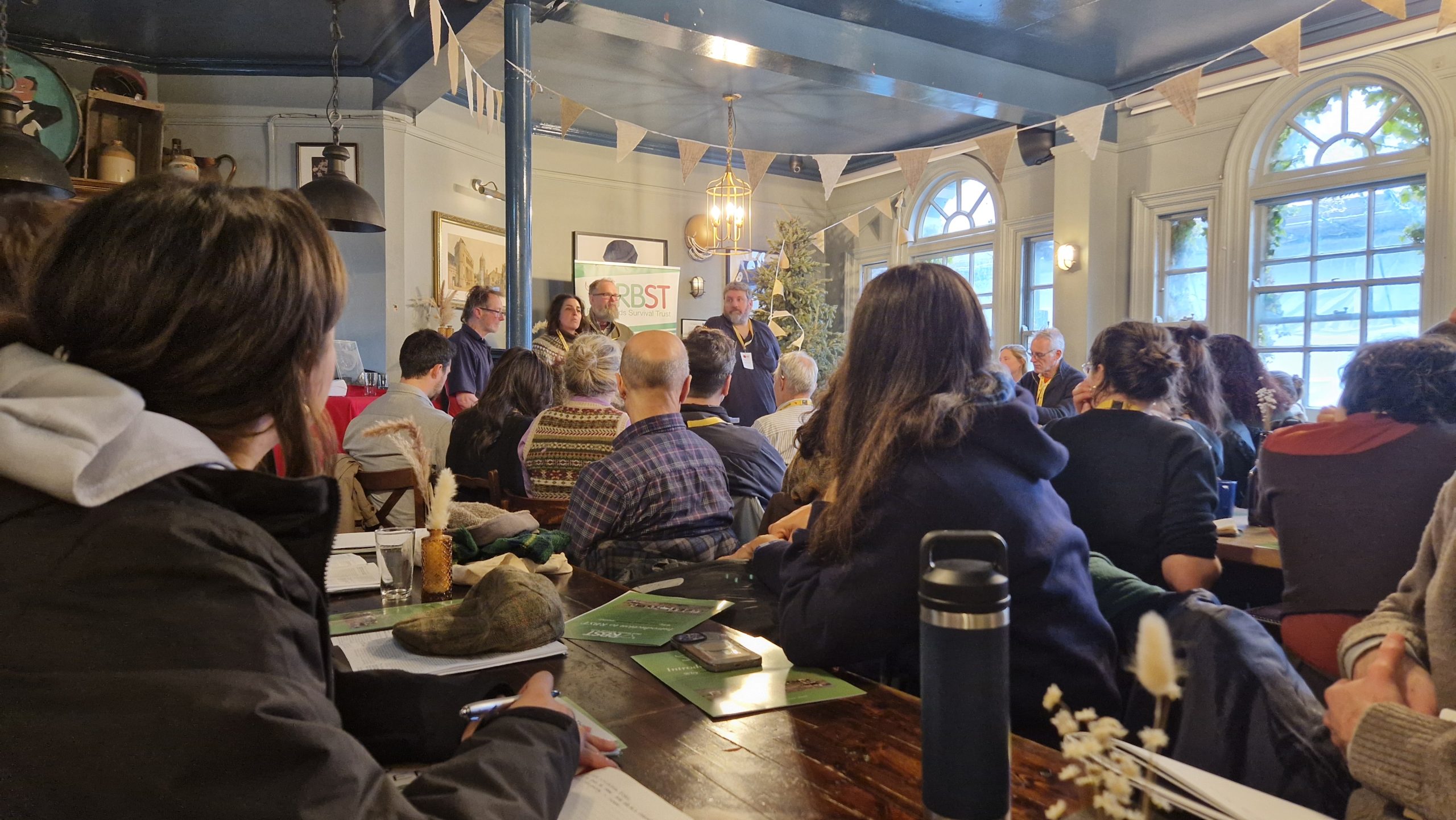
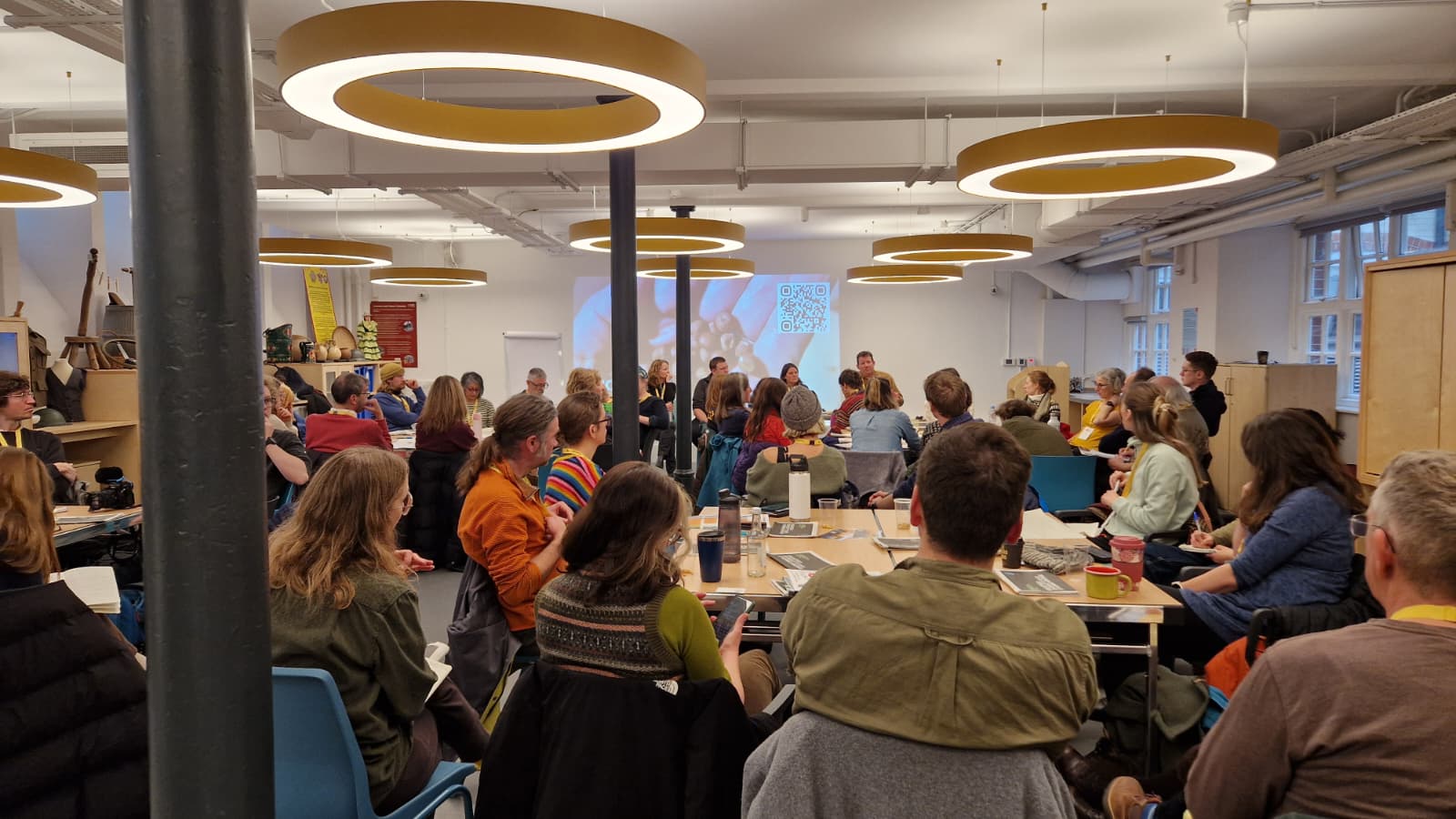
I also discovered how revitalising place-specific crops could provide an opportunity to move away from globalised monocultures and toward shorter supply chains and a more culturally informed way of farming. In a workshop on northern pulses, chaired by Josiah Meldrum of Hodmedod’s, we dived into the rich cultural history of peas and beans in Northern England. From pottage and pea-whack soup to the mighty carlin pea, these regional delicacies can be seen as more than just food, but tiny catalysts to unlocking a hyper-local food system. Learn more about integrating beans into your crop rotation here!
To conclude, in an age where reality often feels untethered to geography, place still holds the ultimate power. At ORFC this year, I learnt that unlocking that power is the secret to a food system that is truly sustainable, resilient, and rooted. Over to you, Janie…
Nature Grounds Us and Gives Us Hope
‘Resistance and Renewal – a Debate on Glyphosate’ is a debate that never goes away, and I was curious to hear the latest in this session that kicked off day one. Chaired by Helen Browning, Michael Antoniou, Professor in Molecular Genetics at Kings College, London, began by telling us all what the research has categorically revealed in relation to the health impacts. What we see in plants happens in our gut. The current ‘acceptable’ daily intake of glyphosate is linked to cancers, non-alcoholic fatty liver disease, and leaky gut syndrome… He stressed the need to consider the toxicity profile of the commercial formulations which contain coagulates and cause damage alongside the glyphosate itself. The main message? We need to move away from it and pesticide use altogether.
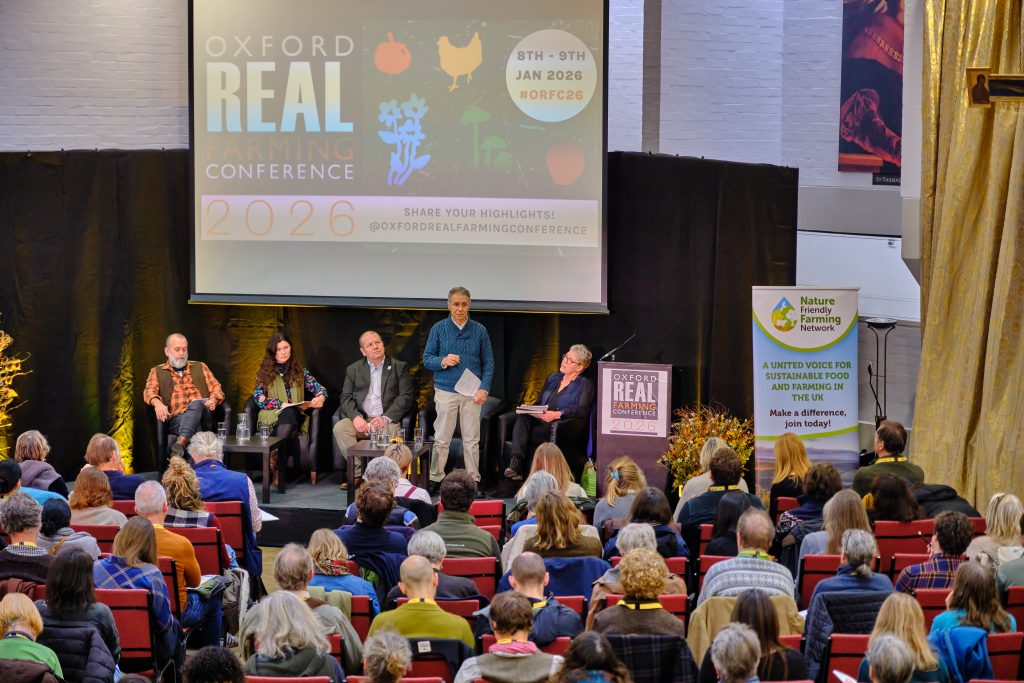
PAN-UK’s Nick Mole agreed, suggesting that having glyphosate available is a blocker to farm innovation, but that there needs to be a timeline for banning it and upskilling farmers. Martin Lines and Georgie Bray reinforced the farming perspectives… After explaining that he still uses it but is making efforts to reduce it and do things differently, Martin said a common tool it may be, but that is no excuse to build a system around it. He spoke about economic challenges and the important need to upskill farmer knowledge and share risk through adopting similar approaches. Georgie also spoke about having a system in which glyphosate is still used and is in part reliant on it, but has successfully managed to reduce its use by 50%. She also brought up the hugely relevant reality of the people producing the pesticides profiteering. Money trumps all. This is the rather depressing reality of our world.
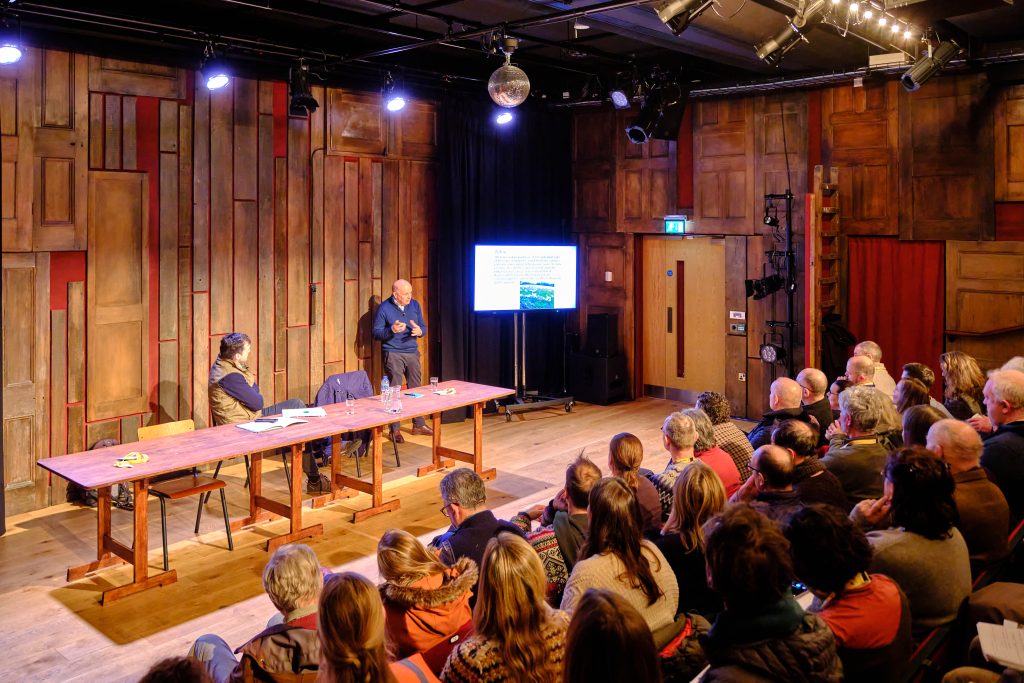
My world was then filled with a bit of magic, brought courtesy of Northern Ireland’s Jim McAdam talking about his significant experience of integrating trees and livestock. A few standout points?
- He suggested that sheep eating leaf litter as fast as leaves fall could be a contributing factor to helping halt ash dieback disease.
- Research he has been involved in has found more evidence of worms in silvopasture than grassland and (perhaps surprisingly) woodland.
- All silvopasture should be rotational – this will help create less incidence of damage to trees.
Staying with Northern Ireland, I also went to a session looking at nature-based solutions for Lough Neagh, the UK and Ireland’s largest freshwater lake. 45% of Ireland’s drinking water comes out of the lough. While it is safe to drink, the lough is severely eutrophic due largely to excessive nitrates and phosphates (from farm slurry/fertilisers), and climate change, causing ecosystem collapse, despite mitigation efforts.
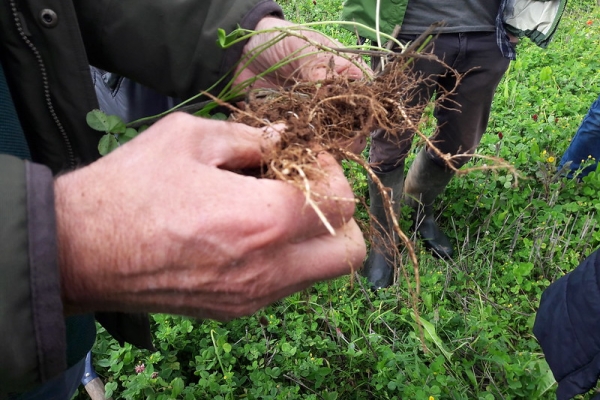
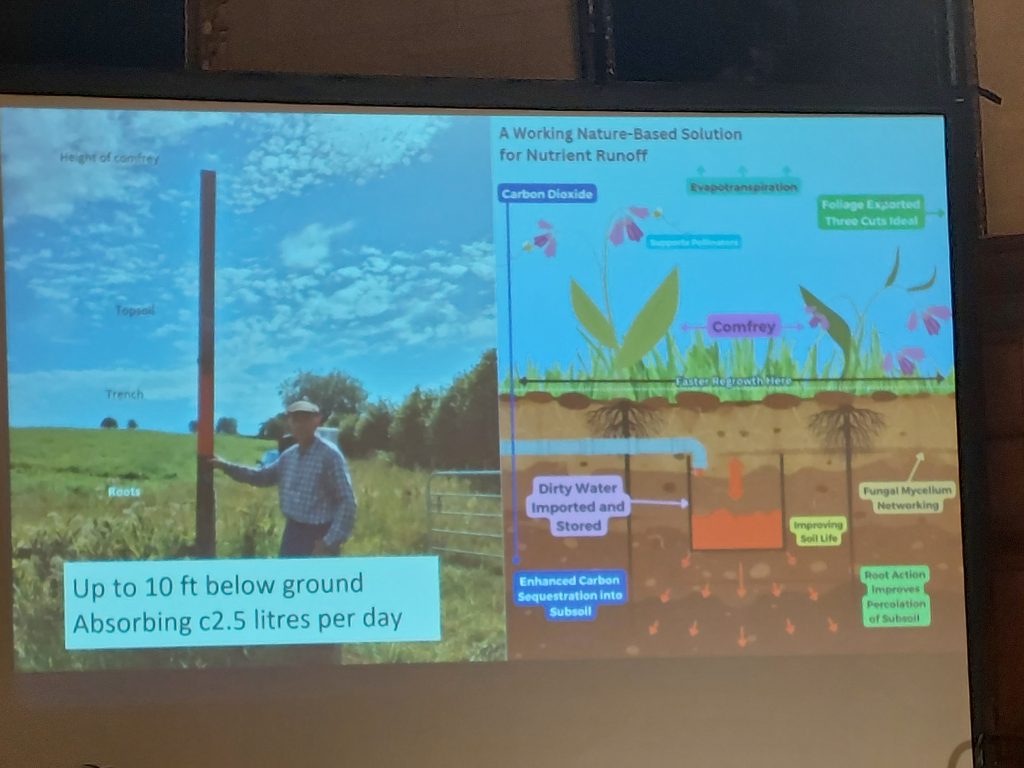
Swales have been installed to help take up the nutrients and it was fascinating to hear how a comfrey filtration system is being used to channel farmyard runoff, absorb nutrients and prevent pollution. Familiar with its use as a plant feed, topical application for humans, and attracting pollinators, it was interesting to hear of an alternative use for comfrey with its deep rooting capabilities. (If you’re interested to read more about the properties of comfrey, this is an interesting article that was published in The Organic Grower in 2019).
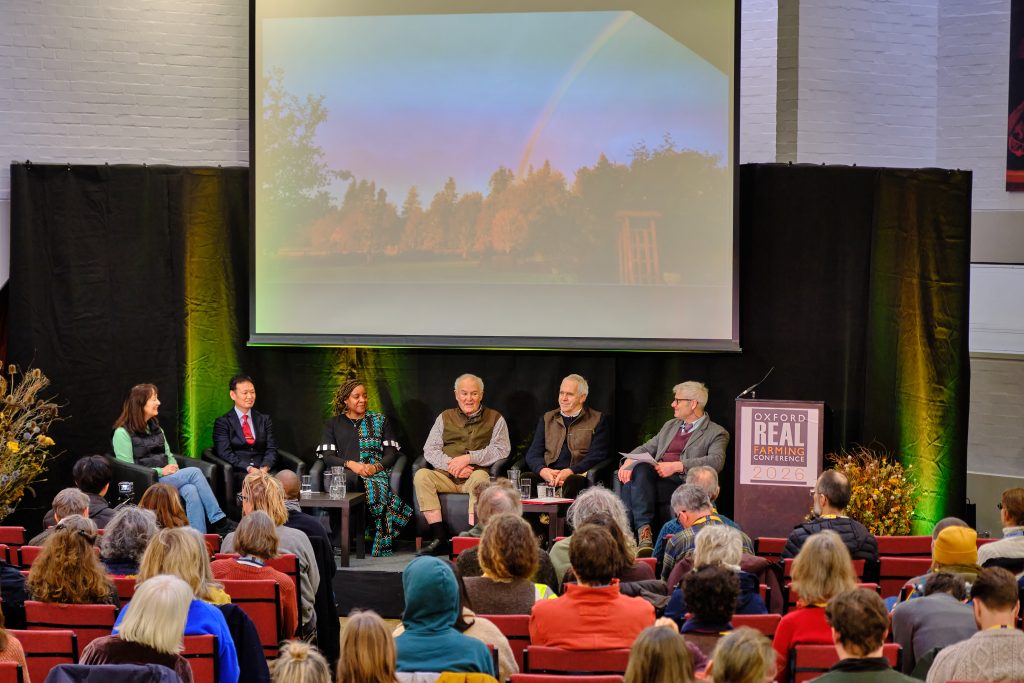
My second day began with attending a session on pathways to healing people and planet, which featured a panel of speakers all influenced by the Shumei practice of Natural Agriculture. At its core is a reminder that we thrive when we live in harmony with the Earth. For me, the conference was a resounding reminder that in these dark times we are living in, nature grounds us, it gives us hope, and it gives us solutions.
Over to you, Phil…
Fostering a Resilient, Ethical Food System
Joining ORFC online made me yearn for the in-person contact of the real thing. However, with snow piled up outside, the advantages of watching online from home with the woodburner roaring overcame this feeling. For me, the practical sessions where farmers and growers share their experiences are the ones that get my juices flowing.
I really enjoyed the session on Resilient Vineyards where I learned about the Regenerative Viticulture Foundation a global, non-profit organisation advancing the future of wine growing through regenerative practices. Experienced organic grower and winemaker Will Davenport gave a fascinating comparison of organic and regenerative systems (he has both), and how the extra yield from regenerative is balanced by the lower costs of organic. He needs an extra 15p per bottle for organic wine to make up for the loss of yield.
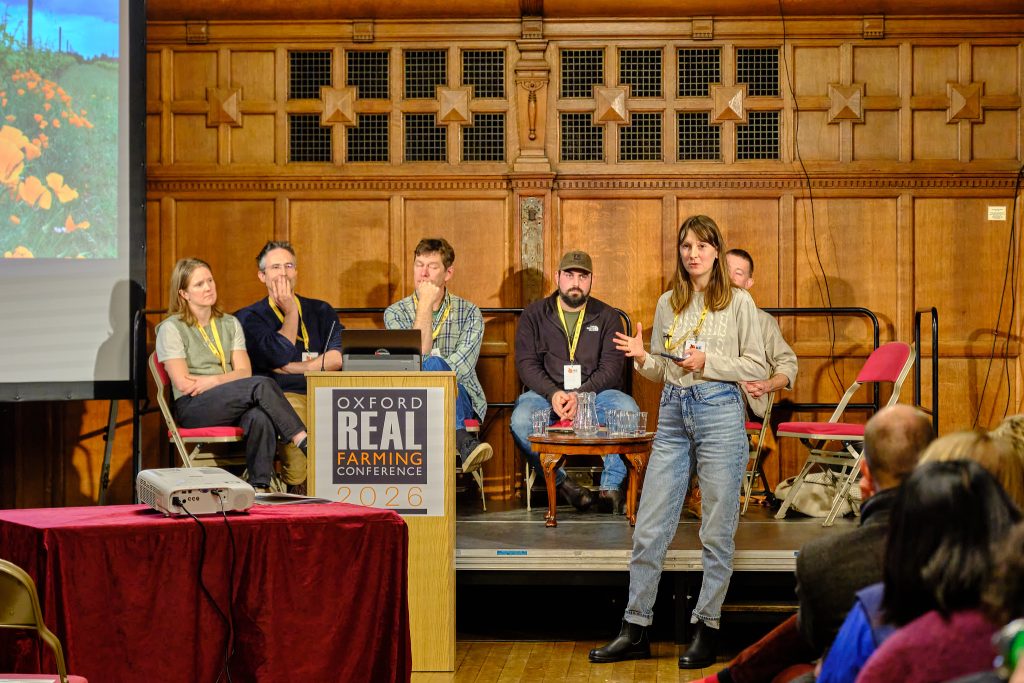
I loved the viti-forestry approach of Matt Robson at Harrow & Hope vineyard, finding practical ways of introducing trees into the vineyard system filling gaps in the vine rows with hazel, willow, field maple, alder, pear, apple or sweet chestnut – species that can be coppiced and trained into the espalier system in place, meaning minimal change in management. Woodchip from the trees is helping to achieve the aim of making soils in the vineyard more fungally dominant. The theme of making space for nature was developed by biodynamic wine grower Robin Snowdon of Limeburn Hill Vineyard who is creating biodiversity and habitat to support the vines in a natural way enabling natural wine production. He also echoed Alice’s theme of celebrating the spirit of place stressing that Biodynamic growing works well with wine production as it works closely with space and terroir.
In the workshop on UK Nut Farming we heard the inspiring story of Andrew Kent’s journey into nut farming creating the Glastonbury Nut Farm, a story of personal healing and the power of community. Lucy Williamson highlighted the nutritional benefits of nuts, including high fibre and Omega-3 content. Nuffield scholar Tom McVeigh emphasised the potential of hazelnuts as a profitable, perennial crop, noting the UK’s suitability. Josiah Meldrum of Hodmedod’s shared lessons from promoting beans, stressing the importance of storytelling and market infrastructure.
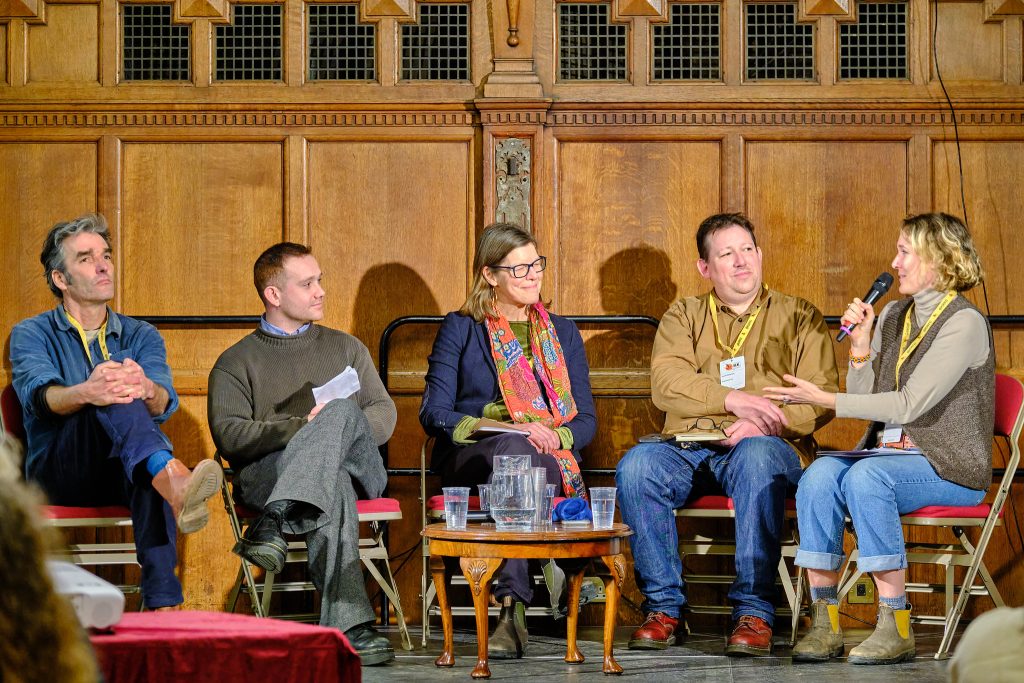
All good conferences should end up at the pub, so I conclude my ramblings with ‘Soil to Pub: Building a supply chain.’ This session focused on the challenges and opportunities in the food service industry’s transition to sustainable, local sourcing. Geetie Singh-Watson highlighted her journey from founding the first organic pub, the Duke of Cambridge, to establishing a hotel in Devon spending £400,000 annually on local produce. Harry Dyer from Shrub detailed their success in supplying 300 London restaurants with produce from 65 farms, emphasising the importance of farm visits and seasonal sourcing. Peter Weedon discussed the shift to organic supplies at the Culpeper group. The conversation underscored the need for better education, government support, and consumer awareness to foster a resilient, ethical food system.
To Conclude
Here at Agricology we feel very privileged to have started 2026 with two days of thoughtful conversation, knowledge-sharing and inspiration. A huge thank you to the organisers Real Farming Trust for such a rich and energising programme, and to all the speakers who shared their work, experience and insights so generously.
If you didn’t manage to attend the conference this year, a selection of recorded sessions (including some of the ones mentioned above) are available here. Tickets for the brilliant ORFC In The Field 2026 event series will be released in the coming weeks, and we will share the booking links via our Events page – so stay tuned!
Associated Agricology Partner Organisation(s):
Published date:
16th January 2026Related farming theme:
- Biodiversity
- Business management
- Cereals, oil seeds & pulses
- Climate
- Communities & education
- Crop nutrition & fertility building
- Grasslands & forage crops
- Markets & food systems
- Natural resources & waste
- Nutrition & public health
- Organic farming
- Organic matter
- People & skills
- Regenerative agriculture
- Regulations, standards & policy
- Rotations
- Soil biology
- Weeds
Key Farming Practices:
- Mixed farming
Organisation(s):
- Oxford Real Farming Conference
Related articles