Buckwheat for couch control: Final Report
Resource explained
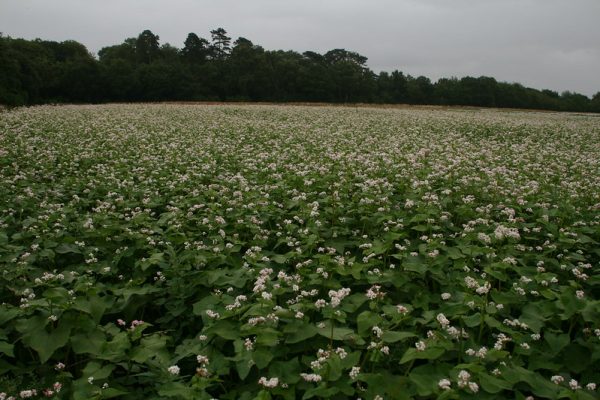
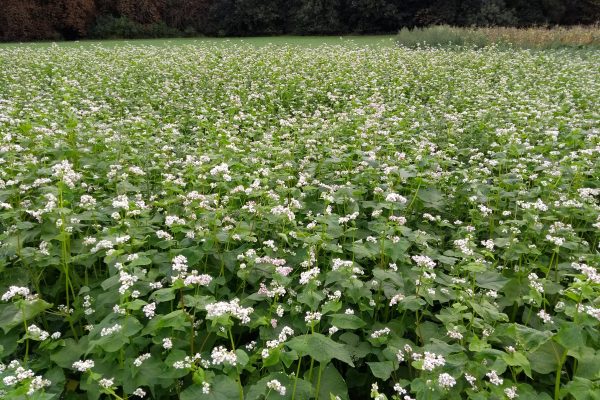
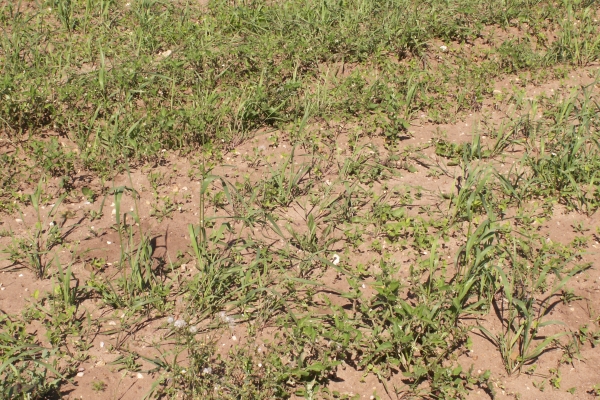
This is the final report detailing Innovative Farmers field lab trials in which growers investigated the potential for including buckwheat into their horticultural rotations to reduce couch grass infestations. Couch grass (Elymus repens) is a persistent perennial weed that spreads quickly through underground rhizomes, making it hard to control in organic systems. Traditional organic methods such as ‘bastard fallowing’ using cultivations and harrowing can reduce it but may damage soil structure. Buckwheat (Fagopyrum tataricum) is a fast-growing annual green manure that helps suppress weeds. Sown in late spring or summer, it flowers quickly, supports pollinators, improves phosphate availability in soil, and may provide additional weed control through allelopathic effects.
Findings & recommendations
- Trial results and grower observations suggest that combining methods is most effective for controlling couch grass, with targeted early-spring cultivations before sowing buckwheat.
- Late sowing of buckwheat allows more time for cultivation and may influence couch survival in subsequent crops.
- Other fast-growing green manures, such as phacelia, may also partially suppress couch grass.
- Buckwheat performs better than bastard fallowing in wet conditions, as it does not require prolonged dry spells. In the wet 2019/2020 season, buckwheat proved superior to bastard fallowing by protecting soil structure, improving organic matter, and enhancing subsequent crop quality.
- Growers noted reduced labour and fuel use alongside soil benefits, making buckwheat a more reliable option. However, seed costs can be high and may not be offset short term, though long-term soil benefits may be significant.
- Buckwheat showed similar couch control to bastard fallowing but with fewer cultivations and less soil damage.
- Couch grass distribution is patchy, making assessment difficult; walk-over scoring may be more accurate.
- Possible allelopathic effects of buckwheat after incorporation need further research.
- Buckwheat is a useful tool, not a magic bullet, alongside good rotations and well-timed cultivations.
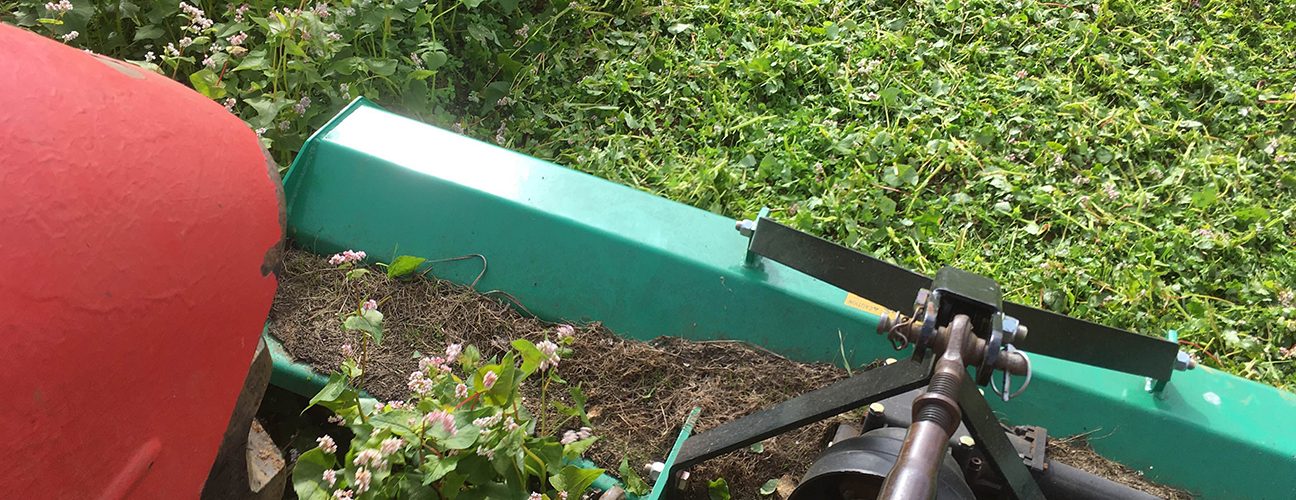
Cover photo: Andy Dibben
Summary provided by:
Janie CaldbeckEdited by:
Janie CaldbeckAssociated Agricology Partner Organisation(s):


Author(s):
Westaway, SOrganisation(s):
- Cotswold Seeds
- Innovative Farmers
- Organic Research Centre
Date:
15/06/2020Evidence:
Farmer experience
Copyright:
All Rights ReservedRelated theme:
Key Farming Practices:
- Cover crops
- Minimum Tillage
- Mulching
- Soil monitoring
- Undersowing
Related articles