Building a Resilient Farm Business with Tom McVeigh
Resource explained
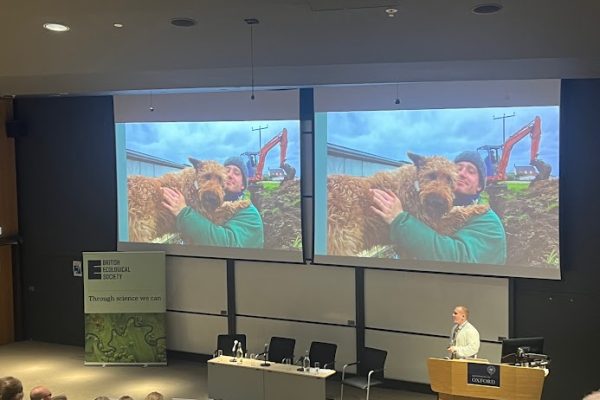
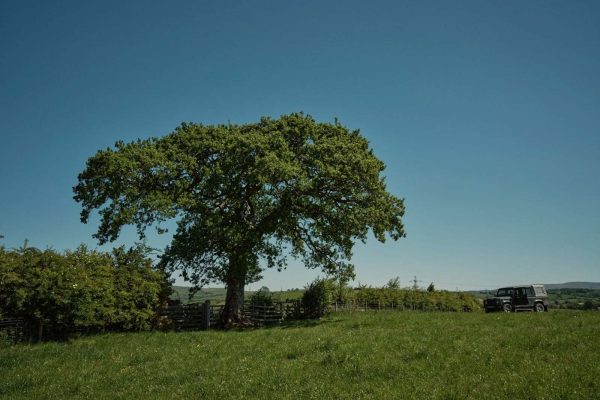
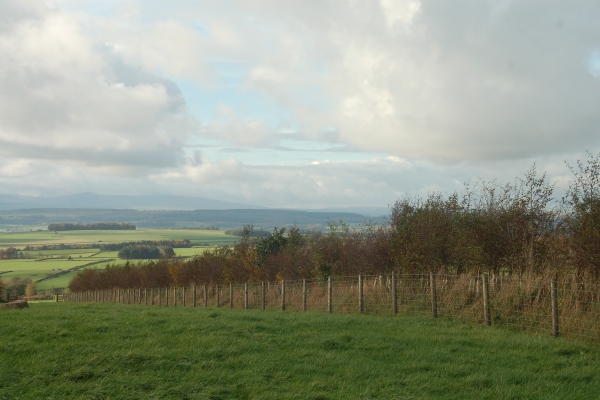
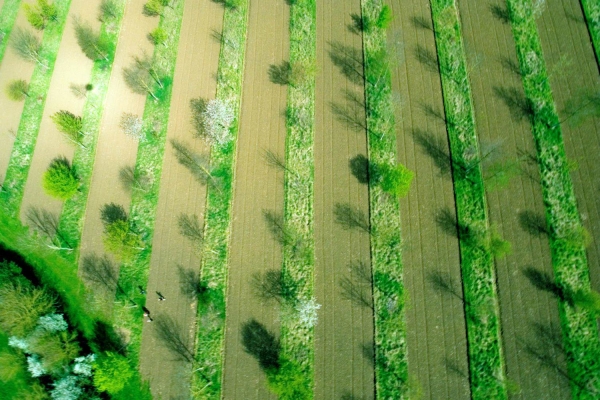
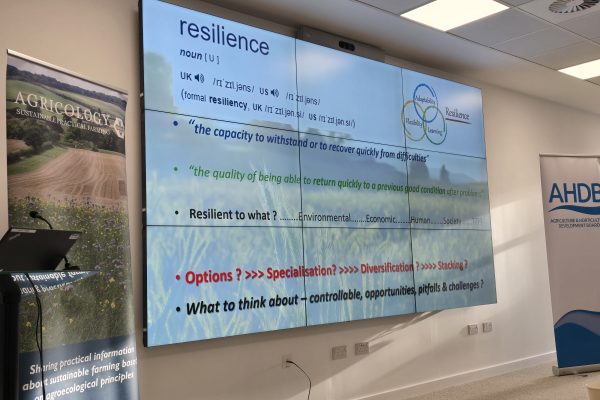
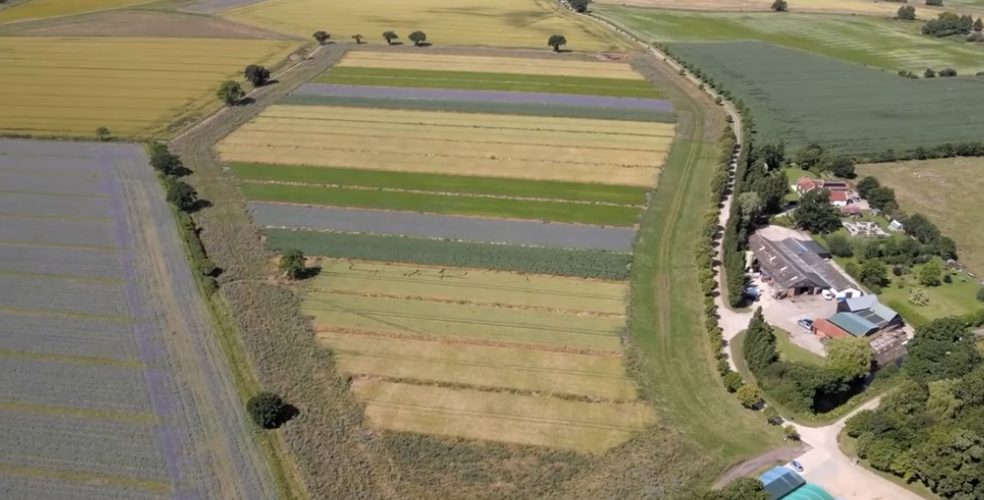
This video is footage of Tom McVeigh talking at The Resilient Farm Roadshow – East in November 2025 about some of his successes and failures in trying to implement a more economically resilient farming system, and how it, coincidentally, has led to a more ecologically friendly system. Tom returned to run the family’s 450-acre mixed farm in Suffolk, and is in the process of transforming it through strip farming, agroforestry, and polyculture – blending science and nature to boost biodiversity and reduce inputs. He highlights his experimental field which was part of the Sustainable Farming Incentive (SFI) pilot, where he took all of the actions of the SFI and applied them to their greatest extent in order to see what a farming system may look like under this policy – beetle banks, pollen and nectar mixes, and diverse swards, and compared the crop performances with his conventional fields. Tom also talks about his agroforestry plantings and his experiences from his Nuffield Scholarship “A study of Nut production, propagation, processing and marketing in the UK.“
Findings & recommendations
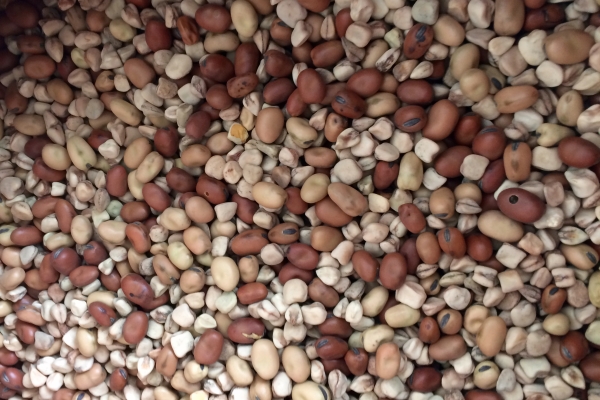
- In a year when neighbouring bean crops were hit by chocolate spot, the experimental SFI field remained unaffected, delivering a 1 tonne/hecatare yield advantage – worth around £10,000 if replicated across the farm.
- Soil health improved faster than expected. Within three years, soil in beetle banks showed markedly better structure and composition than adjacent conventionally managed soil.
- Grass encroachment from beetle banks was less of an issue than anticipated; instead, spray drift damaged bank vegetation, leaving bare patches where thistles and pioneer species established.
- Cereal yields in the SFI field were similar to conventional fields. However, with unfarmed headlands, cropped areas needed to achieve about 112% of conventional yields to break even – offering no clear financial advantage for cereals alone.
- Break crops performed noticeably better under the SFI system than cereals.
- By moving to low‑disturbance establishment with a direct drill, cover crops, and starter fertiliser, Tom preserved moisture in dry springs, and avoided multiple passes (saving labour, fuel, and reducing compaction).
- The key insight: ecological practices (less soil disturbance, more biology, more habitat) currently align strongly with cost-saving measures (fewer passes, lower inputs).
- Hazelnuts present strong potential as a resilient, high-value crop, particularly as climate pressures affect overseas competitors. Success depends on suitable varieties, scale and reliable supply.
Watch the video to find out more!
Summary provided by:
Phil SumptionEdited by:
Janie CaldbeckAssociated Agricology Partner Organisation(s):

Related articles