Hedgerow Masterclass with James Robinson and Megan Gimber
Resource explained
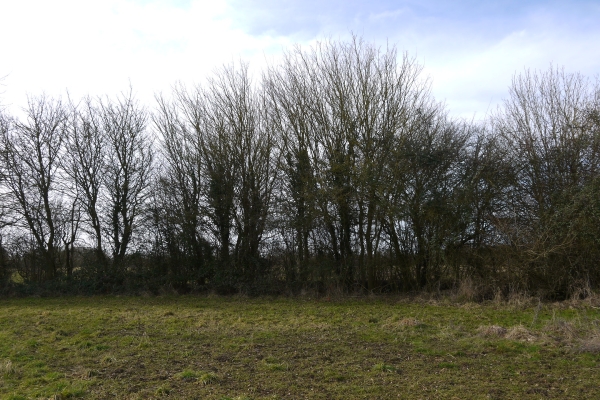
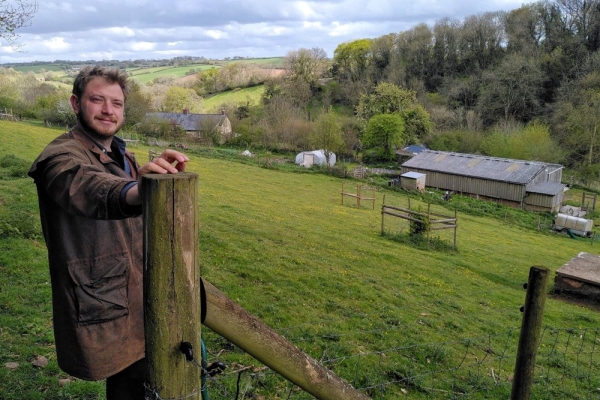
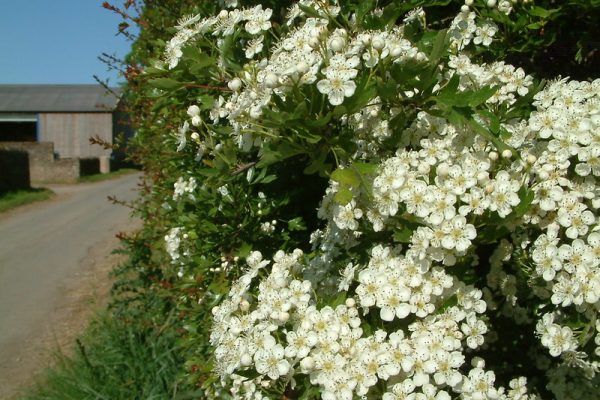
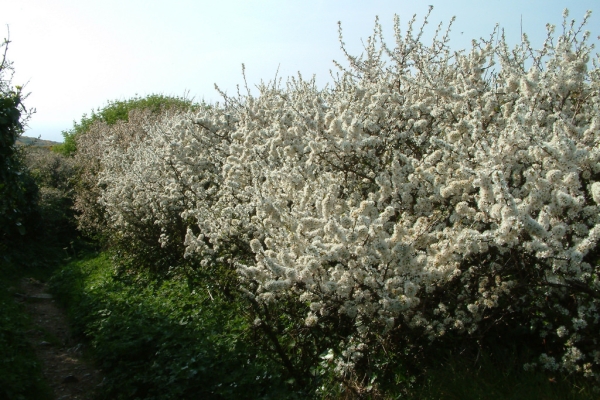
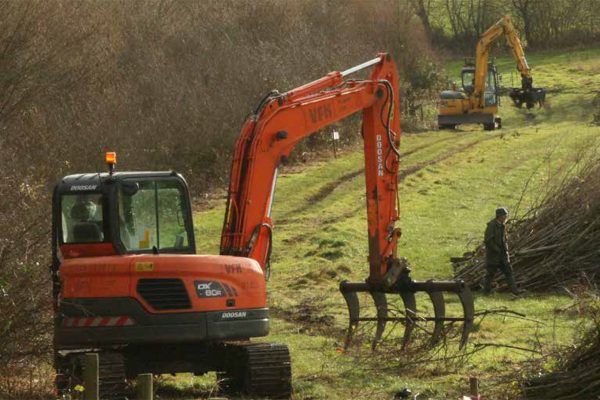
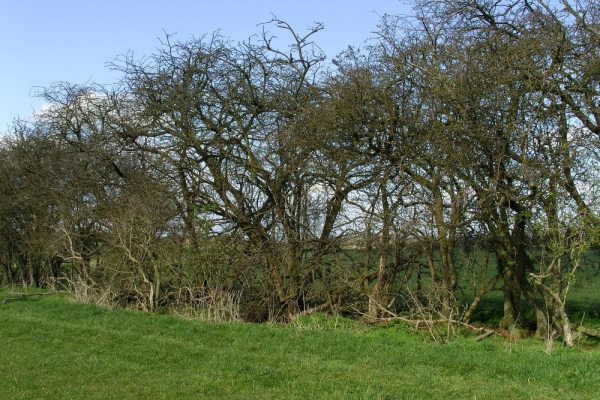
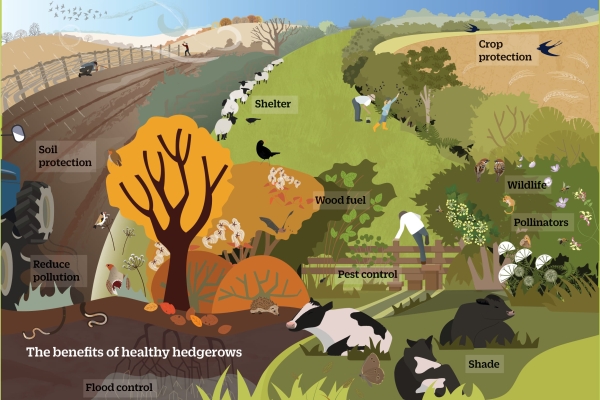
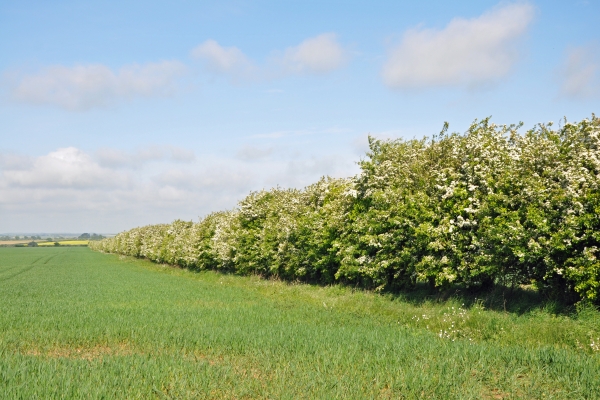
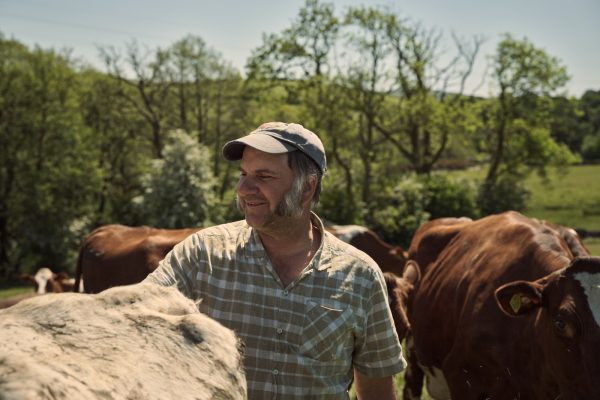
This virtual ‘Hedgerow Masterclass’ from the Nature Friendly Farming Network features fifth-generation organic dairy farmer James Robinson and self-confessed ‘hedgerow geek’ Megan Gimber from the People’s Trust for Endangered Species. James talls us through his hedgerow management practices on his farm, detailing his farm’s history and the importance of hedgerows. He then shares examples of poorly managed and over-managed hedges, emphasising the benefits of well-managed hedges, including carbon sequestration and wildlife support. Megan’s presentation on hedgerow management focuses on the importance of hedgerows for wildlife, supporting a variety of habitats and species, stressing the importance of rejuvenation and the role of hedge trees in maintaining biodiversity. Questions focus on policy and regulation, practical hedge management, hedge stucture, health and function, species choice, wildlife and biodiversity, and skills, training and tools.
Findings & recommendations
- Map and inspect hedges in winter. Walk boundaries and note gaps, base thickness, height, and species. Prioritise leggy, gappy or over‑flailed hedges for action.
- Review your trimming practice – stop annual hard flailing to the same line and move to 2-3+ year hedge-cutting cycles where possible.
- Plan a rejuvenation cycle. Identify hedges that need laying or coppicing in the next 5-10 years. Aim for a rotation (up to ~20-40 years depending on trimming) so every hedge is periodically reset from the base.
- Protect and expand hedge bases. Maintain or increase uncultivated margins (at least 2 m from the centre; more if you can). Avoid ploughing and spraying close to hedge roots.
- Plant and manage for diversity. When planting, use native, locally sourced plants. Establish and retain hedgerow trees (i.e. select saplings or standards when rejuvenating).
- Integrate livestock and fencing wisely. Double-fence new hedges from stock; allow browsing of outer growth. Keep fences until hedges are dense and well established.
- Use tools and training. Use the Healthy Hedgerows app and geo‑tagged photos for monitoring. Attend local host hedge‑laying courses; consider employing paid layers for tricky, mature stretches.
Summary provided by:
Phil SumptionEdited by:
Janie Caldbeck
Organisation(s):
- Nature Friendly Farming Network
Date:
25/08/2023Evidence:
Farmer experience
Copyright:
All Rights ReservedRelated theme:
Key Farming Practices:
- Encouraging beneficial insects
- Habitat creation
- Silvoarable
- Silvohorticulture
- Silvopastoral
- Silvopoultry
Related articles