
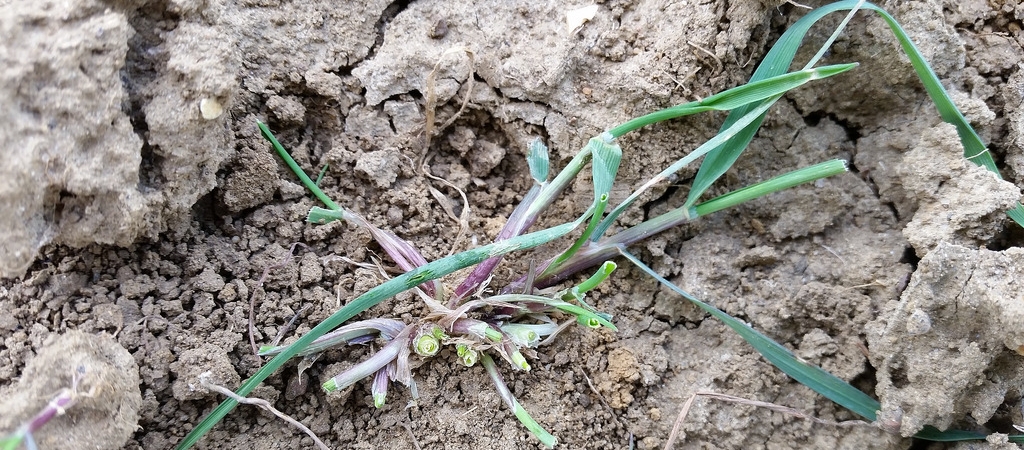
No-till and mob-grazing
Farmerama podcast
Resource explained
In this podcast Hertfordshire arable farmer John Cherry talks about his experiences of converting to no-till and mob grazing – with reference to managing black-grass and renewed fertility in the soil. You can hear about the effect it has had on the bottom line even in low-yielding years.
Findings & recommendations
- Farmerama Radio describes itself as a community sourced radio that produces a monthly podcast “sharing the voices of smaller scale farmers in the UK and beyond.”
- John Cherry is involved in the ‘OurField’ project, read about it here. He also hosts the Groundswell farming conference (tickets for this year’s event on June 28th/29th with one day focusing on no-till, and the other on mob grazing, are now on sale).
Access the podcast here or via the ‘View the resource’ button.
Associated Agricology Partner Organisation(s):


Organisation(s):
- Farmerama
- Groundswell
Date:
01/03/2017Evidence:
Farmer experience
Copyright:
All Rights ReservedKey Farming Practices:
- Mixed farming
- Mob grazing
- No tillage
- Soil monitoring
Related articles
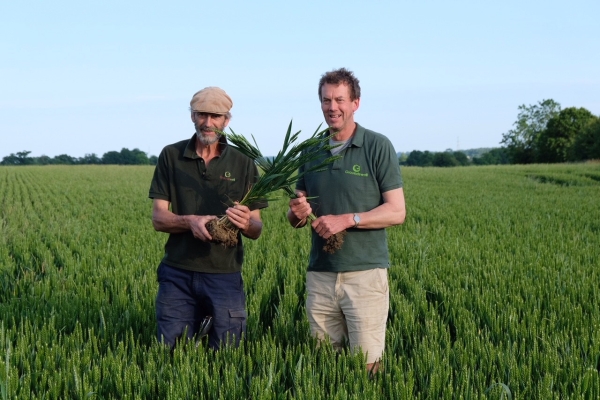
"It became apparent that the best way to learn about no-till (or conservation agriculture) was from other farmers, particularly those overseas, who have been doing...
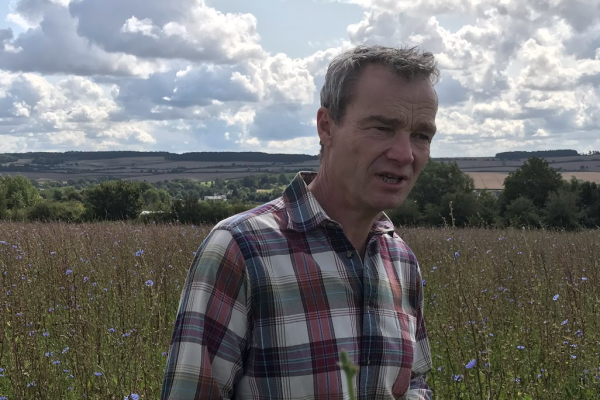
In this follow up to August's vlog on herbal leys by Ian Wilkinson, Ian discusses why they chose to mob graze sheep on herbal leys...
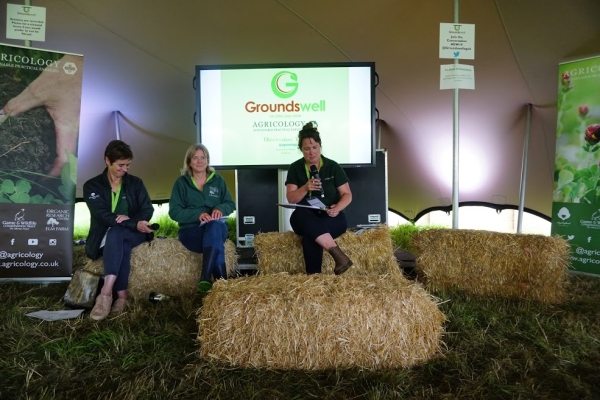
“Run by farmers, for farmers." Pen Rashbass reports back from Groundswell Festival 2019.
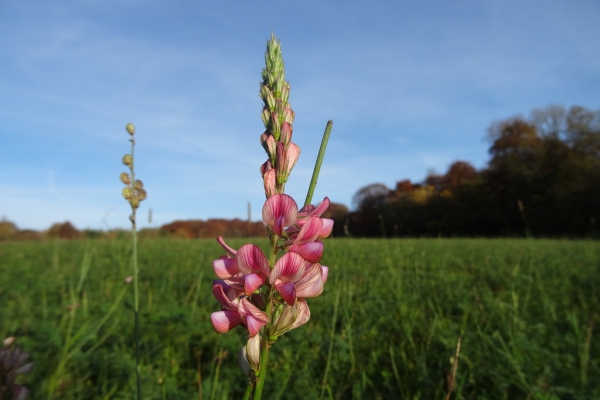
The potential benefits of growing diverse pasture swards and mob grazing for cattle within low-input and organic dairy systems.
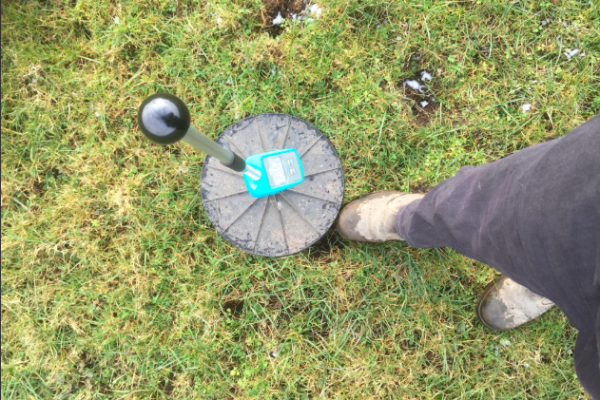
Alex Heffron uses a plate meter to monitor the volume of forage available in fields across his farm allowing him to improve grass growth and...
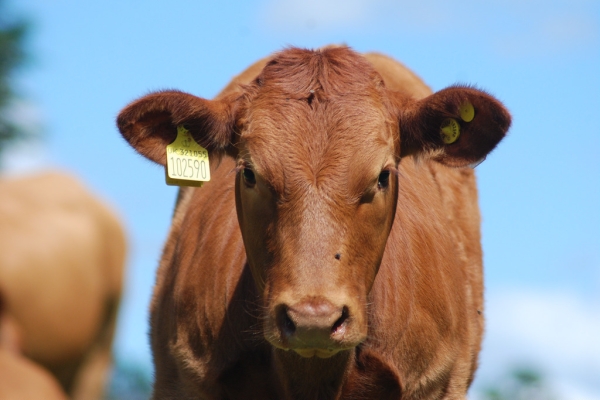
Podcast looking at simple low-cost tools to support moving cattle in a mob-grazing system.
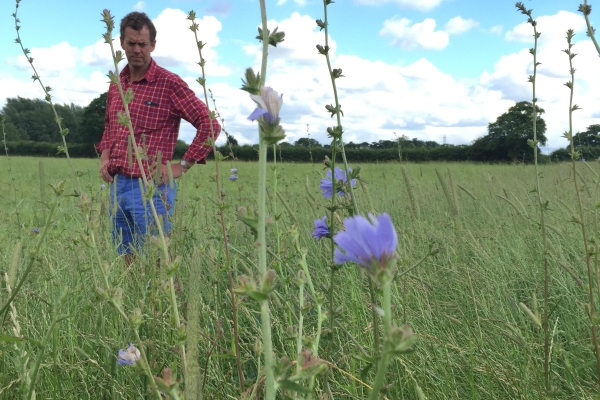
Janie Caldbeck shares Agricology's highlights from a very busy June including Groundswell, black-grass control and the benefits and considerations of flower margins.
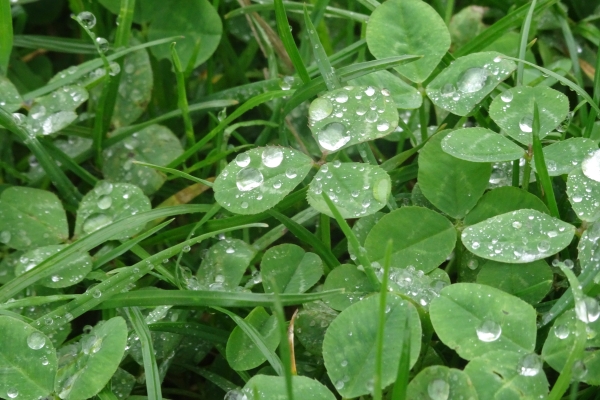
This webinar (part of the 2021 Northern Real Farming Conference and hosted by the Soil Association) explores growing a low growing permanent cover crop such...
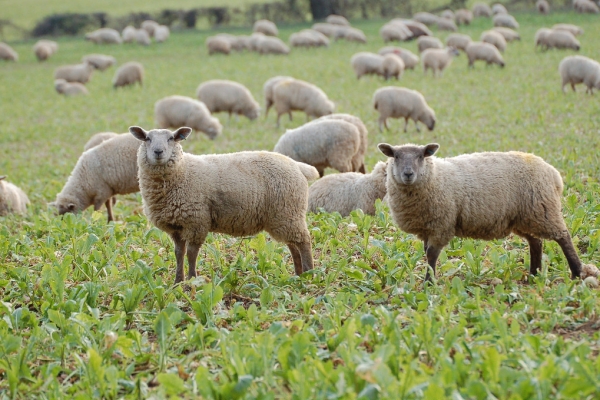
One of the AHDB 'Farmer Experience' profiles providing insights into how and why Jake Freestone of Overbury Farms uses cover crops.