
Perennial Protein: How UK Nut Farming Is Healing Land And Communities
Resource explained
Recording of an Oxford Real Farming Conference 2026 session exploring how perennial protein from nut farming can heal the land, bring communities together, and improve health outcomes, along with what the market looks like going forward. Chaired by Elsa Kent with Andrew Kent from Glastonbury Nut Farm, Nuffield Scholar Tom McVeigh provides the practical know-how, Josiah Meldrum brings the marketing perspective from Hodmedods, and nutritionist Lucy Williamson talks about the health benefits of nuts.
Findings & recommendations
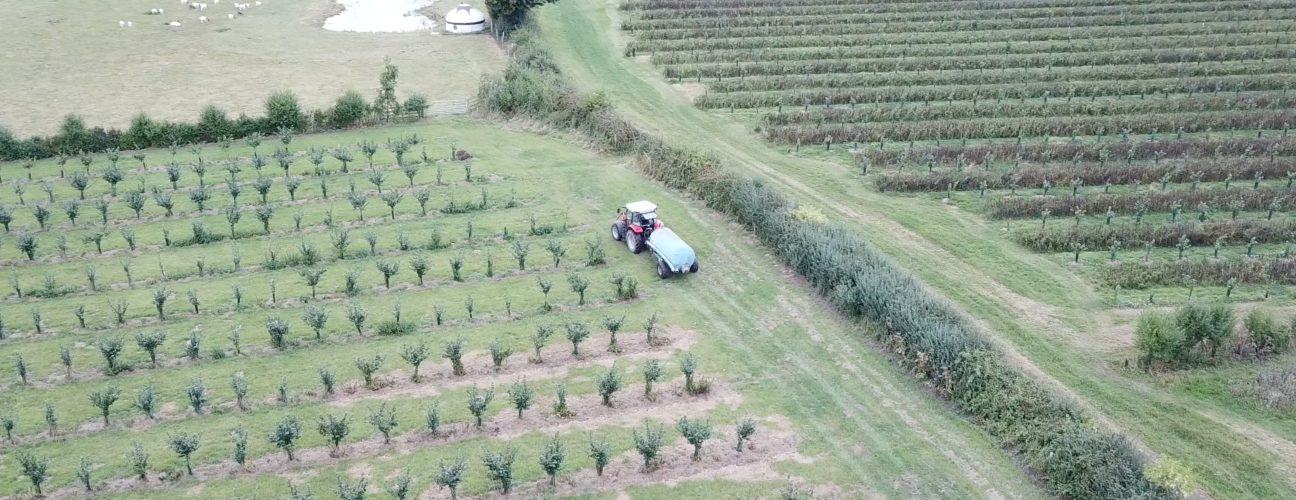
- Inspired by Martin Crawford, he chose hazelnuts for UK climate suitability, planting 25 acres of hazelnuts and 200 walnuts in 2019.
- He uses agroforestry/alley cropping: oats, wheat, beetroot, and potatoes between trees.
- He sees perennial systems as being ecologically aligned, lower input, and long-term investment. There are slow returns but strong soil health, biodiversity, and community benefits.
- Cereal farming is financially fragile without subsidies. Hazelnuts are a high-value, storable, perennial crop, with commodity-style market access.
- Climate change is reducing hazelnut yields in other countries (due to chill hours, pollination, pests). The UK is well-suited climatically for growing hazelnuts, and has strong future production potential. Nuts offer profitable tree-crop basis for diversified agroforestry.
- Nuts address the UK metabolic health crisis, being high in fibre, healthy fats, magnesium, selenium, and antioxidants.
- Nuts are a good plant-based protein source. ~30g/day nut intake supports heart and vascular health.
- Perennial protein supports both human and planetary health.
- As with pulses, developing good routes-to-market, storytelling and chef engagement is critical.
- Infrastructure and consumer education is needed for long-term crops.
- There is a strong latent demand and premium potential for UK-grown nuts.
Andrew Kent
Tom McVeigh
Lucy Williamson
Josiah Meldrum
Browse other ORFC 2026 session recordings
Summary provided by:
Phil SumptionEdited by:
Janie CaldbeckAssociated Agricology Partner Organisation(s):

Organisation(s):
- Oxford Real Farming Conference
Date:
09/01/2026Evidence:
Farmer experience
Copyright:
All Rights ReservedRelated theme:
Key Farming Practices:
- Novel / niche crops
- Silvoarable
- Silvohorticulture
- Silvopastoral
Related articles
This guide from the University of Reading and Forest Research provides useful information on 33 species of trees and shrubs that could be planted in...
Agricology has drawn together practical resources and case studies to help you navigate ways in which to integrate trees into farming systems.
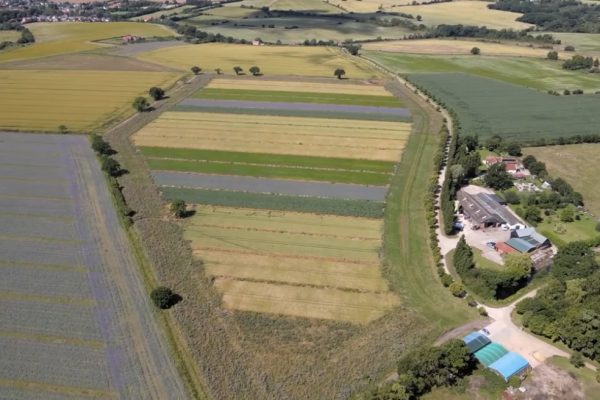
Footage of Tom McVeigh at The Resilient Farm Roadshow talking about his transition from conventional farming to a more resilient and ecologically friendly system under...
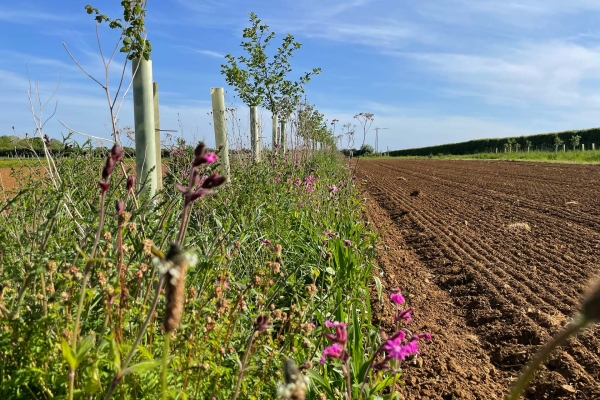
Silvo-horticulture agroforestry has many benefits for market gardens, but needs careful planning for success. This workshop held at Organic Matters 2022 focused on how to...
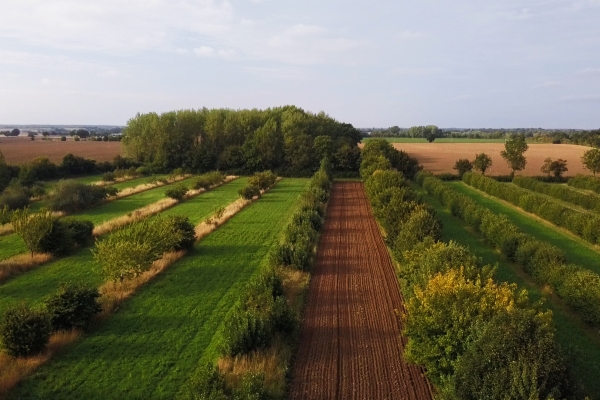
A revised new edition of this publication explaining the on-farm research carried out at the innovative and pioneering Wakelyns.