

Living Mulches - Technical Guide - video
In this video Matt England talks through his journey of trialling living mulches with the key learnings, observations and reflections that have come from it.
LEARN MORE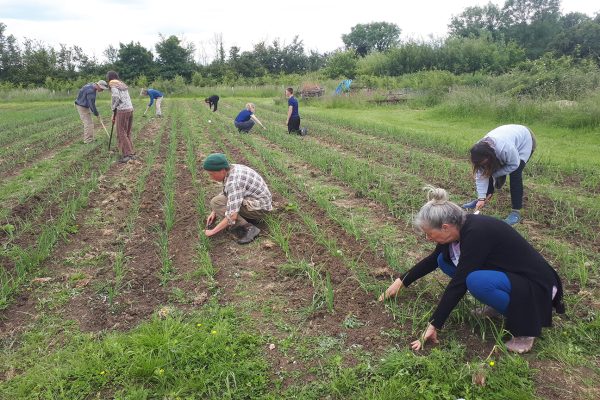
Cultivating Wisdom’ is a collection of agroecological research summaries from practitioners in the Landworkers’ Alliance’s ‘Experts in Your Field’ project.
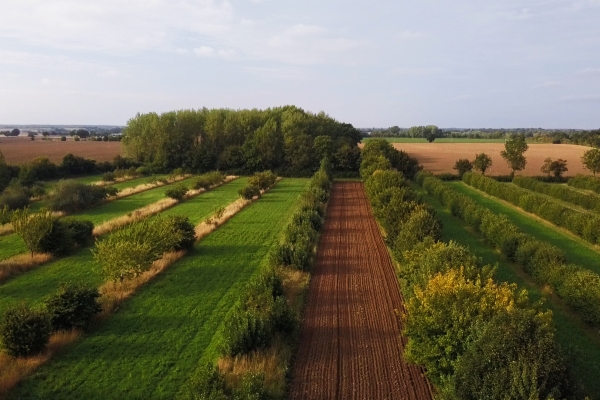
A revised new edition of this publication explaining the on-farm research carried out at the innovative and pioneering Wakelyns.
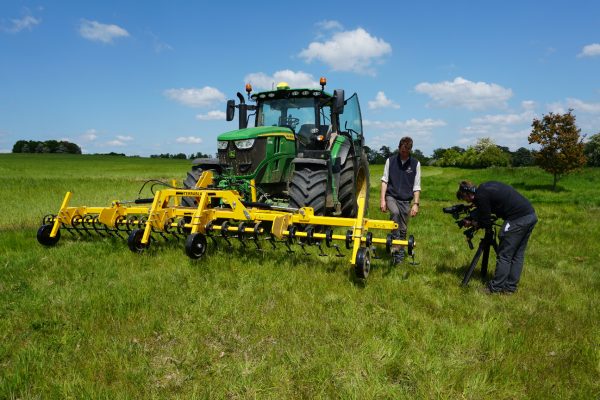
Four short films focusing on promoting sustainable agricultural practices being used on the Waddesdon Estate and beyond.
Tree Amble is a podcast which started in June 2023 celebrating the author (Pete Leeson)’s 30 years in conservation, featuring 30 interviews, each about an hour in length.
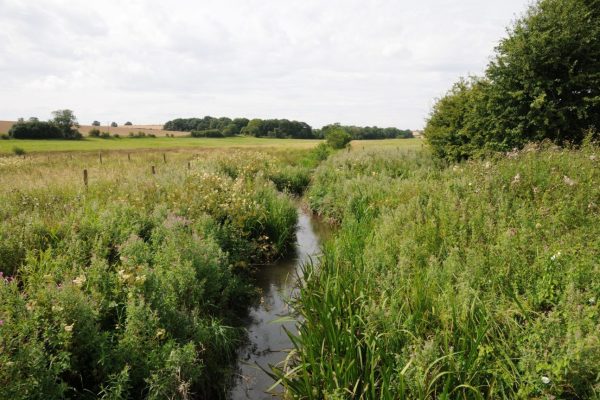
The ORC whole farm sustainability assessment tool offers unrivalled access to knowledge for researchers and farmers alike through an easy-to-navigate interface.
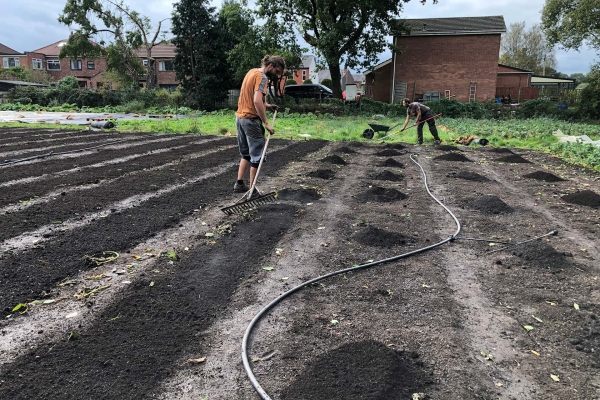
Video footage of a workshop held at Organic Matters 22 focusing on a project which aims to increase access to fresh fruit and veg across the UK by supporting local food systems and building connections between urban and rural areas.
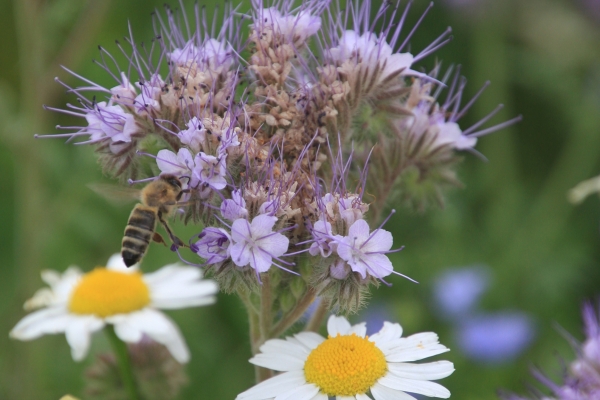
This publication from the Landworkers' Alliance highlights what pioneers of agroecology in the UK are doing to create a productive and sustainable agriculture.
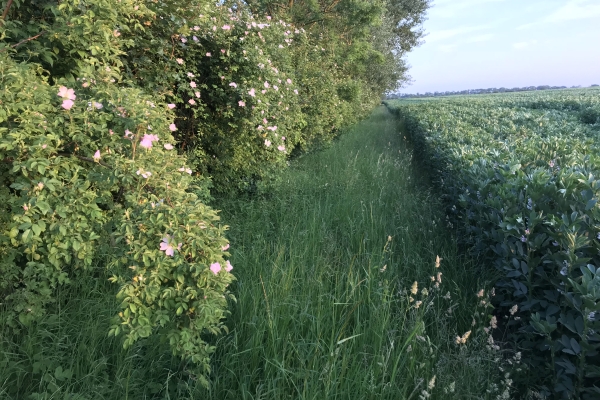
Whatever your farming system and approach, there are many ways to reduce GhG emissions and capture carbon. Actions outlined in this NFFN report should help give some clarity on the practical steps you can take.
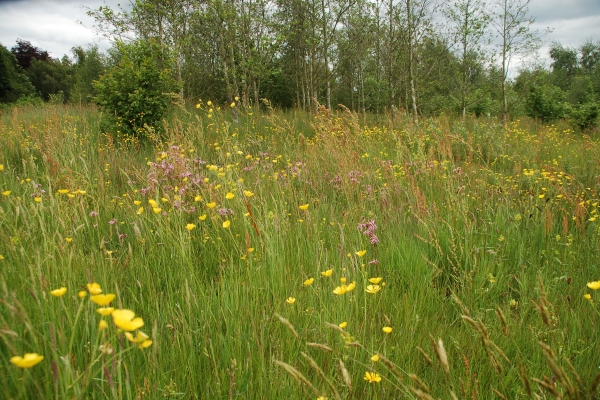
Document created as part of an agroforestry case study of Three Hagges Woodmeadow - exploring the practicalities and benefits of combining woodland and meadows.
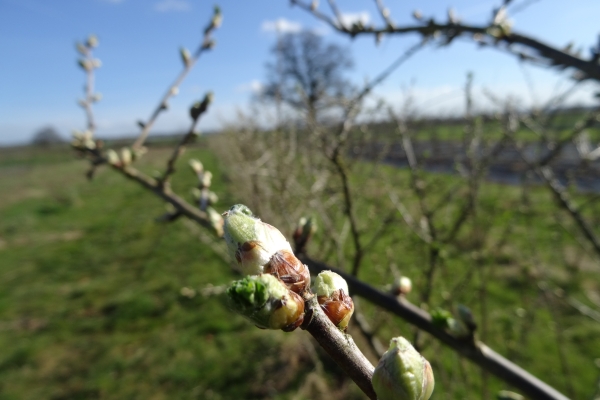
This film, created by the Soil Association through the FABulous Farmers project, explores some of the many benefits that can be experienced from different agroforestry systems.
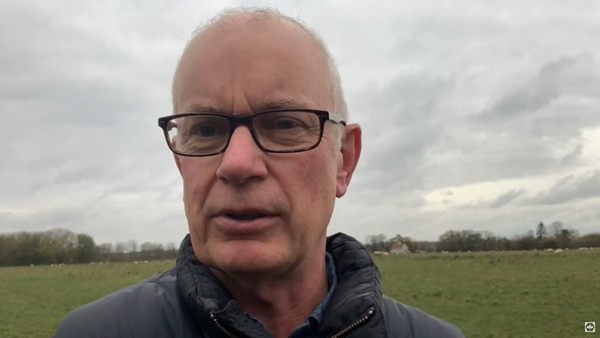
John Pawsey gives some insights into the principles of how he achieves health on his mixed organic farm in East Anglia, following his participation in the Farm System Health Project.
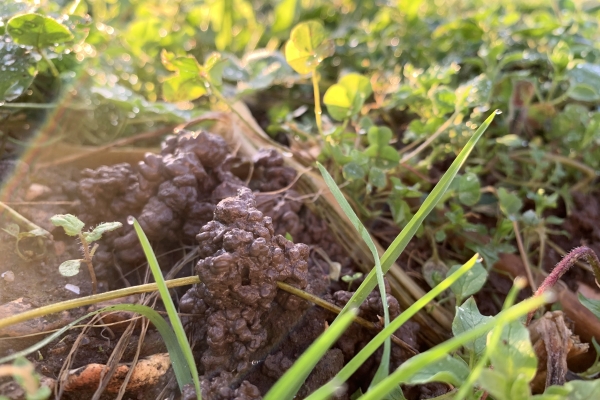
Ten statements / principles farmers have developed that make them successful in developing healthy farming systems, as part of the HealthNetworks Project, and used as the basis for the Farm System Health project.
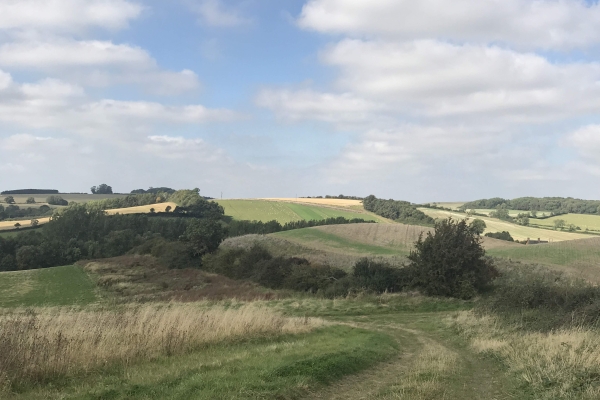
In this podcast, recorded as part of NOCC online in partnership with OF&G, ideas around land sharing and sparing are explored.
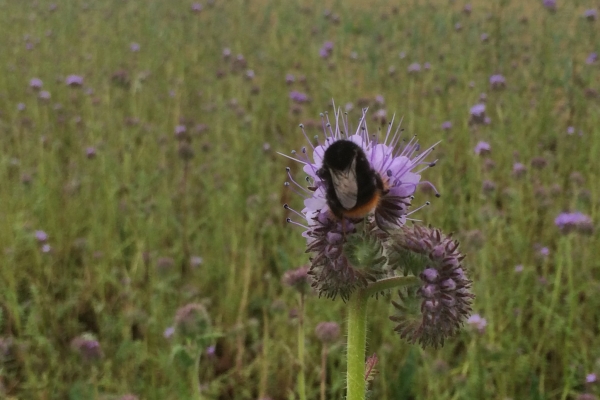
A report from the NFFN demonstrating the potential for farming systems that are sustainable both for farming and the environment, and ways in which the NFFN can help support this.
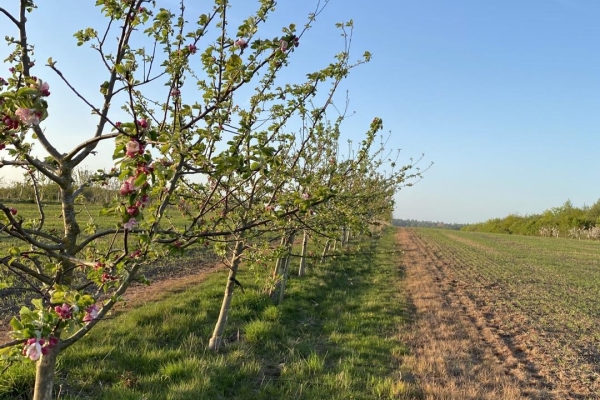
David Rose, farmer and co-founder of Home Farm Ecocentre in Nottinghamshire talks about his silvoarable agroforestry system and research being carried out in one of a series of podcasts.
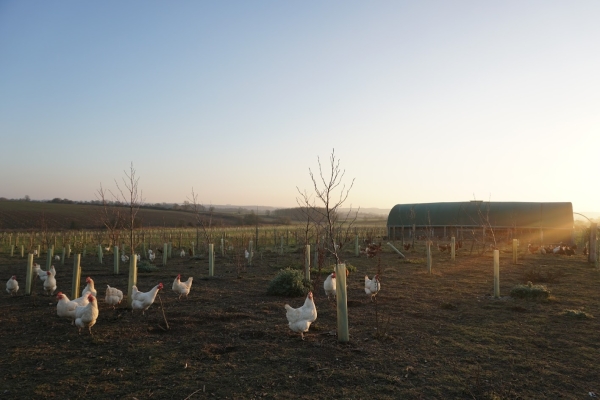
A short paper exploring the ways in which applying an agroecological approach can be particularly helpful during a global coronavirus pandemic when man is reminded of how closely human, animal and ecological health are linked.
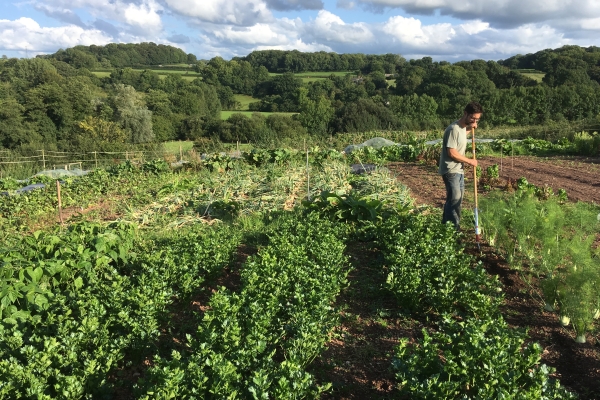
Small is beautiful; small is successful - ‘Small Farm Profits’ details ten case studies of economically viable, sustainable & creative enterprises working on small acreages.
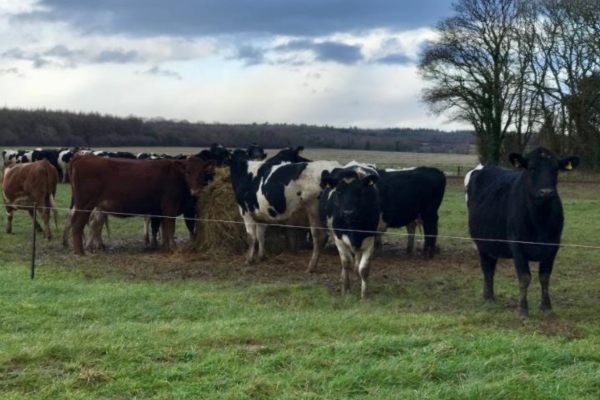
Arable and livestock farmers can collaborate to share knowledge, land and other resources for mutual benefit and enhancement of ecosystem services and landscape.
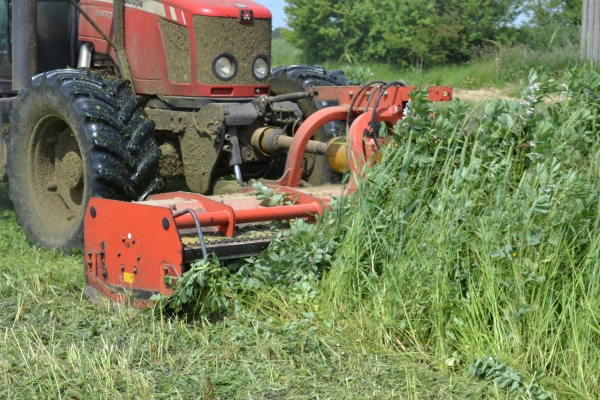
Interested in starting a traineeship to inspire and educate farmers of the future? This guide offers insights from a selection of farms on how such initiatives can be a success as well as what to look for in farms if you are applying as a trainee.
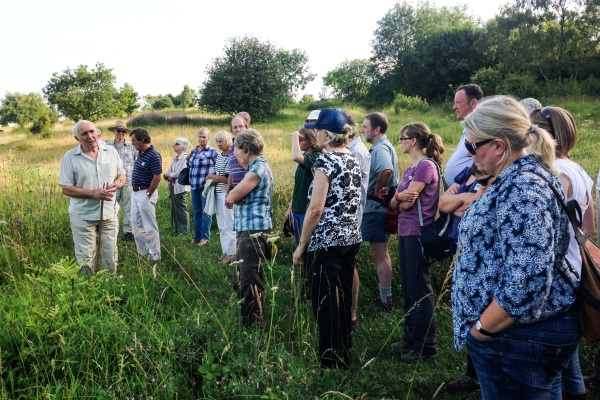
We demand a lot from our land. The integrated local delivery tool helps communities take control of their local environment and work with farmers and other stakeholders to protect it.
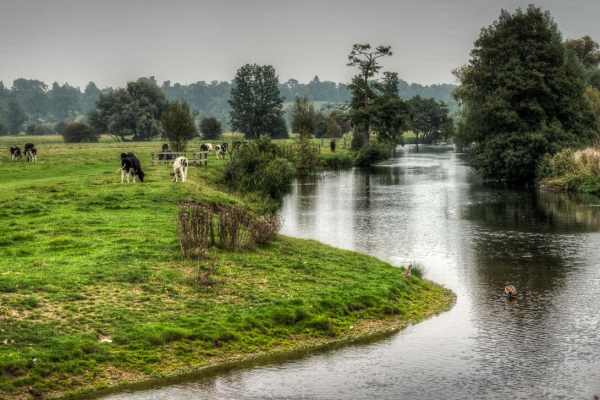
A guide to how communities and farmers can take charge of their local water environment to produce multiple benefits for all.
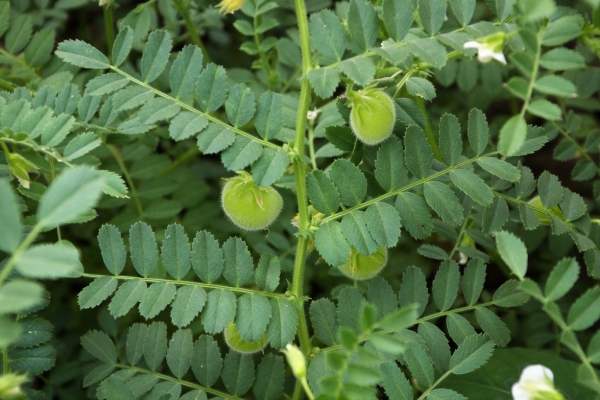
Interested in increasing crop diversity & growing ‘non-traditional’ crops? Have a look at these useful resources from Garden Organic’s ‘Sowing New Seeds’ project.
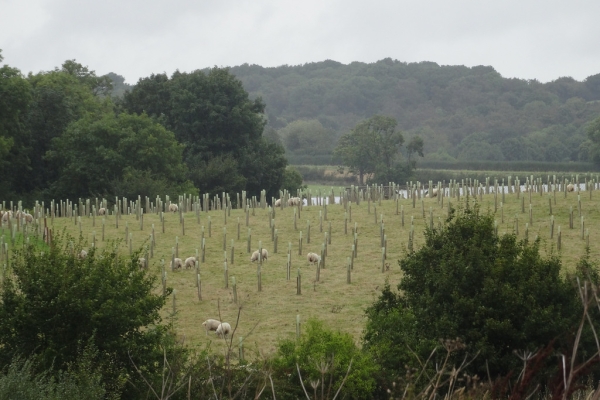
Webpage outlining ways in which the Woodland Trust can help you integrate trees on your land.
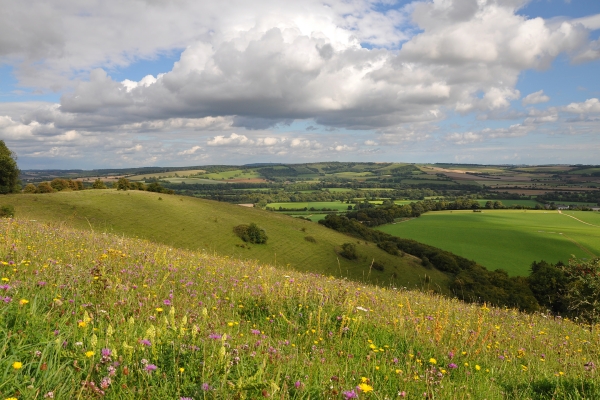
CPRE’s report outlines opportunities for a new vision and policies to establish a sound future for farming based on a more diverse, sustainable and resilient sector.