Resilient Farming for the Future with Angus Gowthorpe
Resource explained
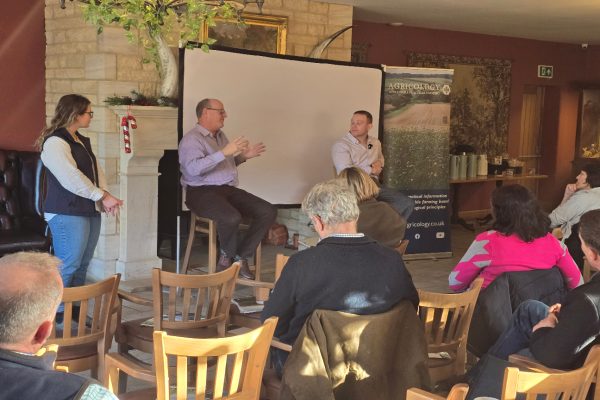
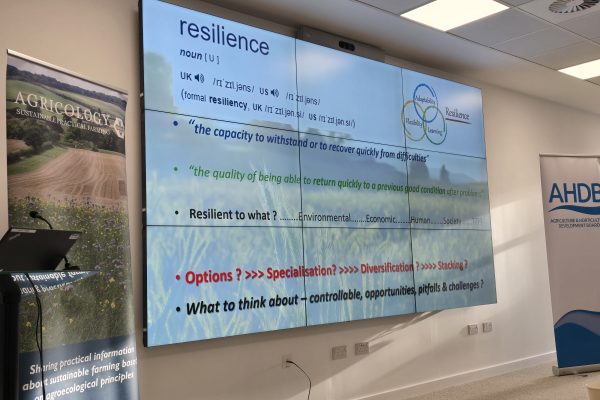
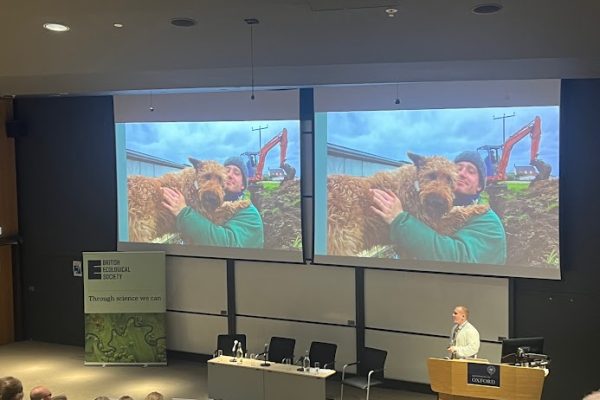
This is footage of Angus Gowthorpe talking at the Resilient Farm Roadshow – North in March 2026. The AHDB and Agricology roadshow was designed to equip farmers with the practical tools and knowledge they need to build a more resilient farm business, creating a space for learning, discussion, and collaboration.
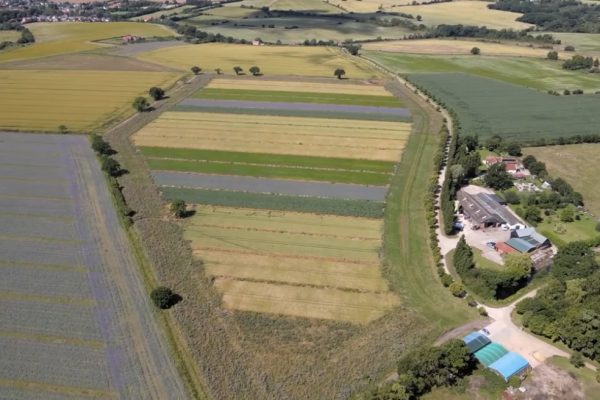
Angus Gowthorpe is one of the founders of the Green Farm Collective and creator of the UK Cover Crops Guide, he’s a 2022 Farmers Weekly Environmental Champion and runs a mixed farm in North Yorkshire, farming 550 acres of mixed soil types, 450 acres of combinable crops and 100 acres of forage (predominantly herbal leys) for 40 pedigree Saler suckler cows. Angus talks through their no-till methods, diverse crop rotations, mob grazing and use of cover crops. They haven’t used insecticides, seed dressings, or synthetic fungicides for eight years, relying on micro-nutrition and soil biology.
Findings & recommendations
- Put soil health first: No‑till, minimal disturbance, and permanent cover (crops or residues) build biology, structure, and resilience.
- Cut unnecessary inputs: Long-term removal of insecticides, seed dressings, plant growth regulators, and compound fertiliser is possible where soil and plant health are high.
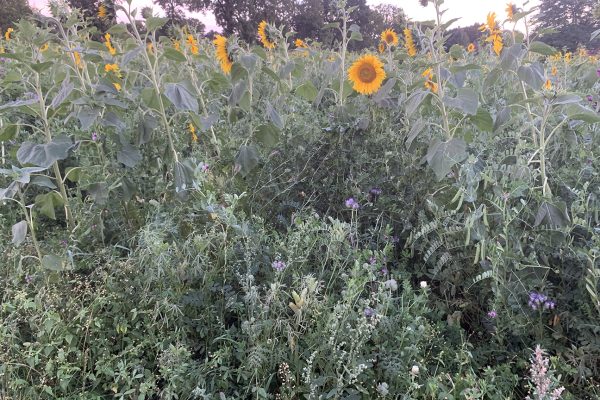
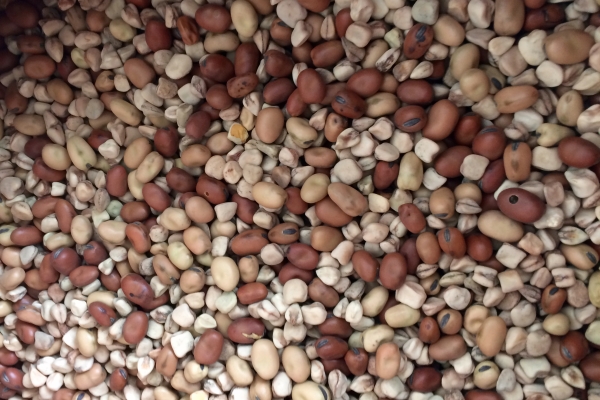
- Use diverse rotations and blends: Multiple crop species and wheat variety blends reduce disease (e.g. mildew, septoria, rust) and improve stability without heavy fungicide programmes.
- Exploit cover crops: Get a cover in whenever land would be bare, including after flooding or failed crops, to feed soil biology and protect topsoil.
- Swap fungicides for nutrition and biology: Targeted micro-nutrition and brewed biologicals (e.g. seed/soil inoculants and foliar consortia) can replace most synthetic fungicides.
- Avoid routine fungicidal seed dressings: Test home‑saved seed; only treat if there’s a proven problem.
- Know your numbers: Lower costs (fuel, cultivations, chemistry) can match conventional margins at similar yields and reduce financial risk. Their milling wheat costs £370 per hectare, compared to £850 for conventional methods and achieves similar yields.
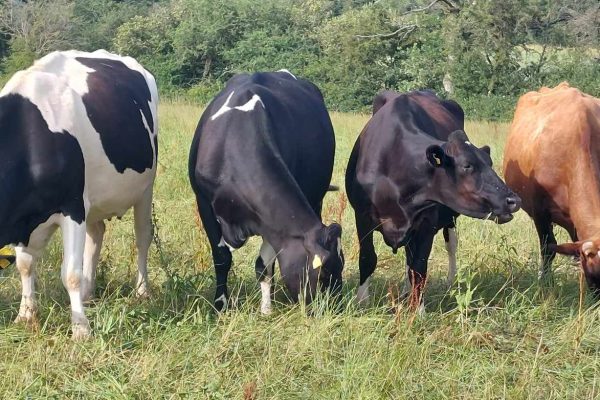
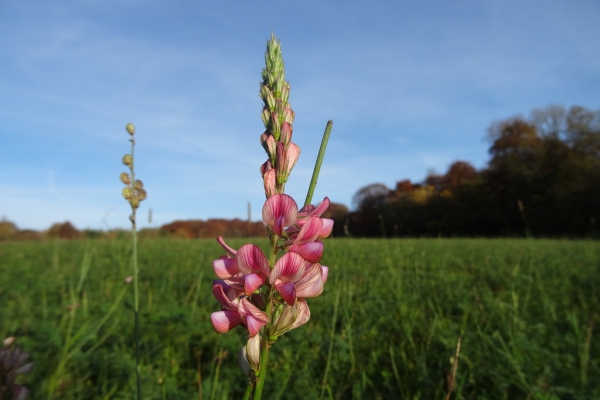
- Diverse herbal leys and controlled grazing (leaving a 4 inch residual) with a New Zealand-inspired watering system boosts forage productivity, animal performance, and grazing days while cutting feed costs, saving £10,000 annually.
- Use schemes (SFI, Stewardship) and credible assurance (e.g. Green Farm Collective) to gain premiums and get paid for what you already do.
Watch the video to find out more!
Summary provided by:
Phil SumptionEdited by:
Janie CaldbeckAssociated Agricology Partner Organisation(s):

Related articles