TreeFEED: Trees for forage
Short term plantings to enhance livestock production, health and resilience
Resource explained
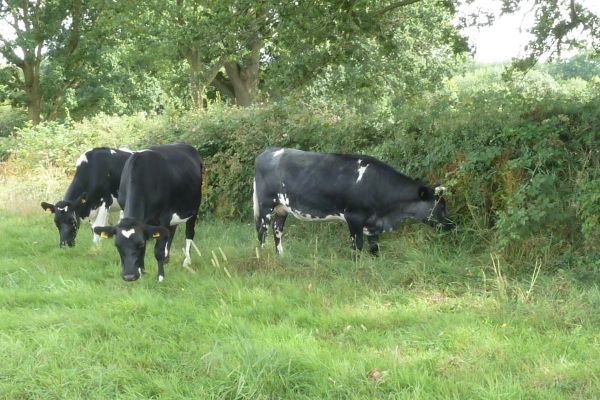
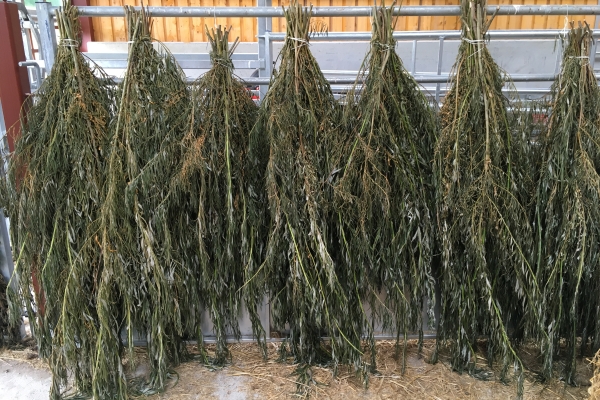
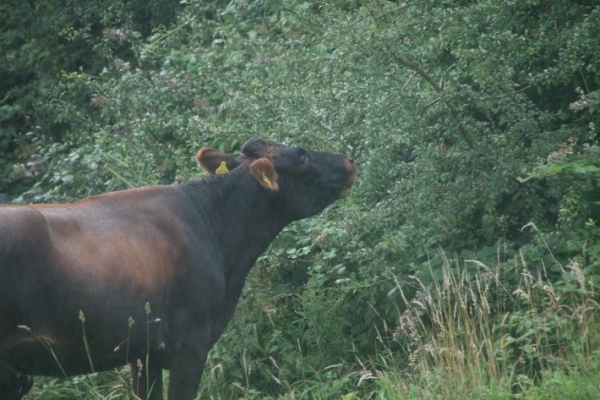
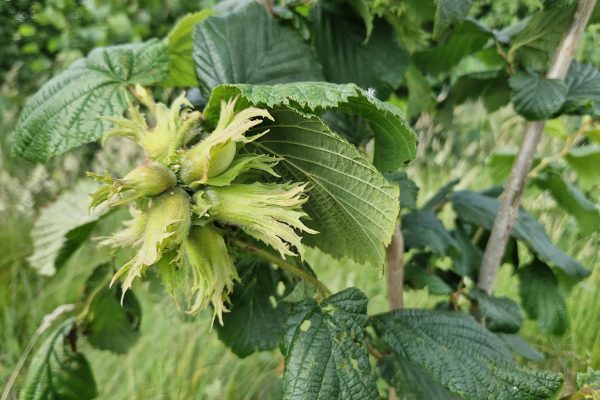
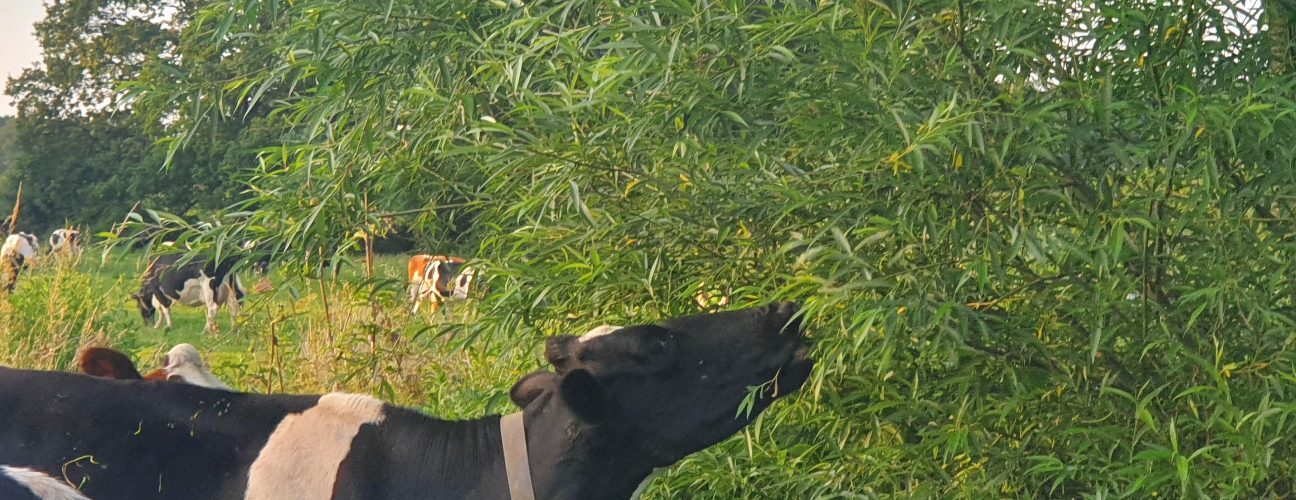
This web page contains results and discussion from trials of the TreeFEED project carried out in Cornwall by Farm Carbon Toolkit and funded through the Farming in Protected Landscapes programme. The project explored how planting trees and shrubs as livestock forage can improve farm resilience, animal health and environmental outcomes. The trials, carried out at a single test site at Arbor Farm in the 2025 season, took samples from a range of tree and shrub species suited to the region’s temperate maritime climate including native species such as hawthorn, hazel, elder and willow, alongside fast-growing hybrids and poplar varieties bred for forage. They investigated the nutritional value of tree leaves and browse for livestock. The premise for this study is that the tree forage compliments existing grazing systems. The data presented includes mineral content (boron, calcium, copper, iron, iodine, potassium, magnesium, manganese, nitrogen, sodium, phosphorus, sulphur, selenium, zinc, cobalt and molybdenum) in the tree forage samples from three time points (June, July and September), and mean mineral content for twelve different tree species. The page also presents tree species in the highest and lowest group schematically for each mineral.
- Diverse tree and shrub planting within silvopastoral systems can enhance livestock nutrition, improve soil fertility and contribute to more resilient farming systems.
- Tree forage species vary widely in mineral content; the study found over a 40-fold difference in molybdenum levels, with elder accumulating the highest amounts.
- Relying on a single tree forage species risks mineral imbalances or antagonisms for livestock.
- A diverse mix of tree and shrub species can provide livestock with a broader range of nutrients, while also offering shade, shelter and environmental benefits.
- Some tree species act as hyper-accumulators, drawing nutrients from deeper soil layers that are normally inaccessible to pasture plants.
- At Arbor farm, common alder, hazel and aspen were shown to concentrate minerals such as copper, boron and manganese in their foliage even where soil levels were low.
- Through root systems, leaf litter decomposition and livestock manure, these minerals are gradually redistributed in the topsoil, improving nutrient availability for surrounding forage.
Findings & recommendations
The webpage links to a project factsheet with more information on the project report.
Summary provided by:
Phil SumptionEdited by:
Janie Caldbeck
Funders:
Farming in Protected Landscapes ProgrammeOrganisation(s):
- Farm Carbon Toolkit
Date:
09/03/2026Evidence:
Applied research
Copyright:
Public DomainRelated theme:
Key Farming Practices:
- Diverse feed & forage
- Homegrown feed
- Silvopastoral
Related articles