Which tree species can provide nutritional value to my livestock?
Resource explained
This article on the Innovative Farmers Knowledge Hub, which draws on Lindsay Whistance‘s advice and knowledge, looks at why farmers should choose a multi-species mix rather than opting for one species over another, and what management issues need to be considered if trees are to play a useful role in livestock diet. It covers how trees are fed to livestock, things to consider if you want to make good use of tree browse as a livestock feed, and what you need to think about if considering tree fodder as a livestock feed. It contains a useful table comparing the nutritional value of different tree species, and a table showing levels of minerals and trace elements. It also discusses palatability, tannins, and other compounds, including poisons. There is a section on resilience of trees when being used as a feed, and the article concludes with listing the benefits to a multi-species approach to silvopasture.
- A variety of species provides a variety of benefits, don’t reduce your tree choice to one species.
- Species choice should reflect the needs and conditions of the farm as a whole, rather than just the nutritional benefits. For example, in coastal conditions, sycamore will tolerate both salt and wind. Nutrition and anti-nutrition levels vary in plants throughout the season and are dependent on age and whether plants are fresh or dried. The same is true with minerals, vitamins, and tannins.
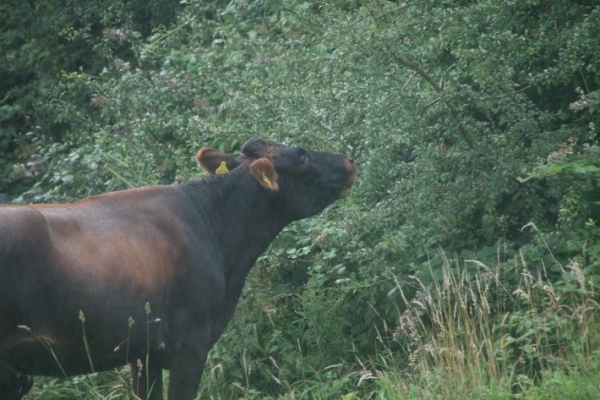
- Management systems are key. If trees are used for livestock browsing, ensure that the quantity of browse and access to it are sufficient for all livestock, and take tree recovery time into consideration.
- Make sure that trees that represent a risk of poisoning are managed carefully if present in the landscape.
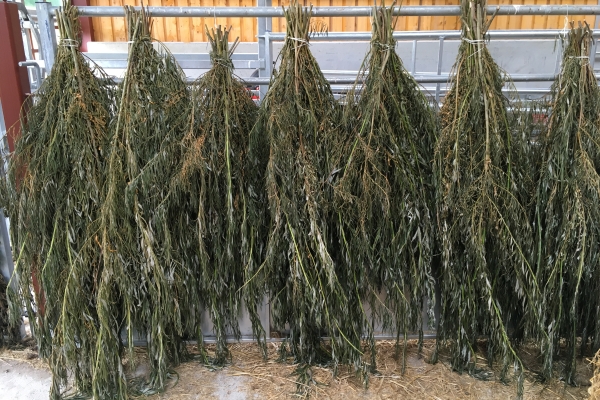
- If planning to preserve tree fodder, carefully consider your harvesting and storage methods.
- The species planted as part of the silvopasture field lab in Devon were chosen to represent the expected species that would form the dominant natural woody flora for the North Devon area on relatively heavy clays (pedunculate oak, downy birch, aspen, alder, hazel, holly, and willow). Some were chosen for specific browsing properties; willow (selenium source), wych elm (used to be cut for forage) and Scots pine (medicinal).
Findings & recommendations
Summary provided by:
Phil SumptionEdited by:
Janie CaldbeckAssociated Agricology Partner Organisation(s):


Organisation(s):
- Innovative Farmers
- Organic Research Centre
Date:
09/03/2026Evidence:
Applied research
Copyright:
Public DomainRelated theme:
Key Farming Practices:
- Diverse feed & forage
- Homegrown feed
- Silvopastoral
Related articles