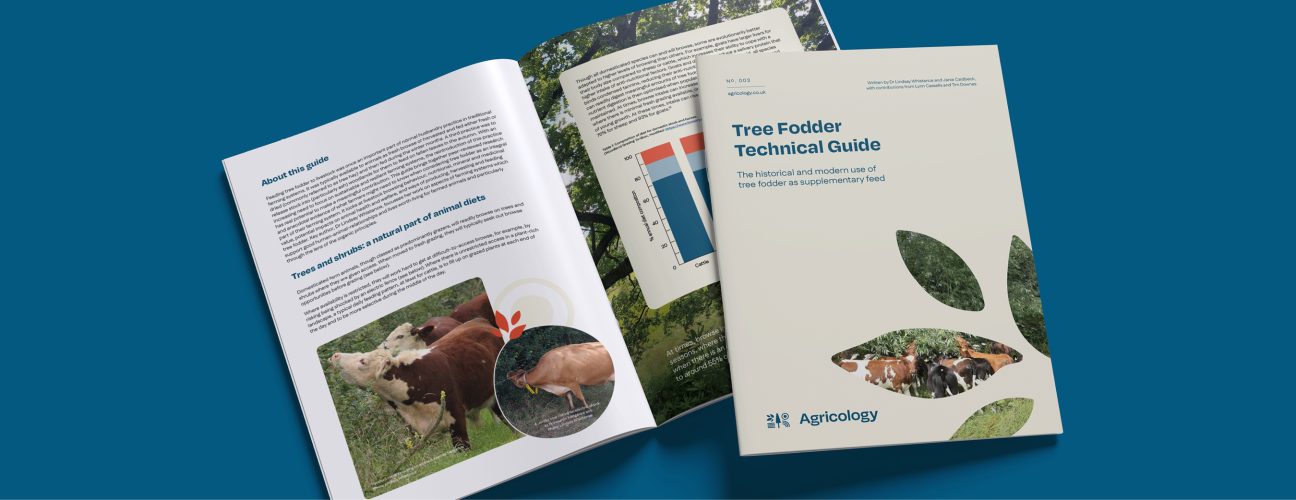
Tree Fodder Technical Guide
The historical and modern use of tree fodder as supplementary feed
Resource explained
*Access the resource here or via the VIEW RESOURCE button*
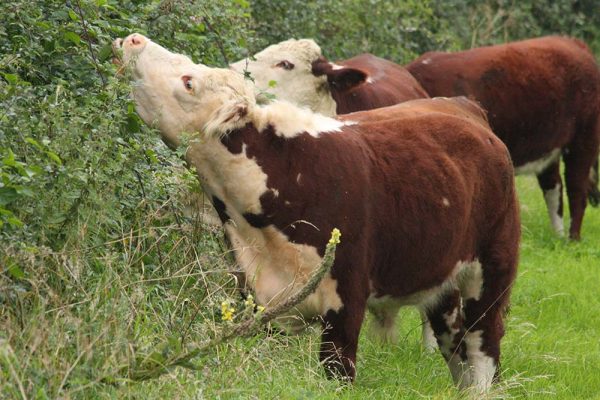
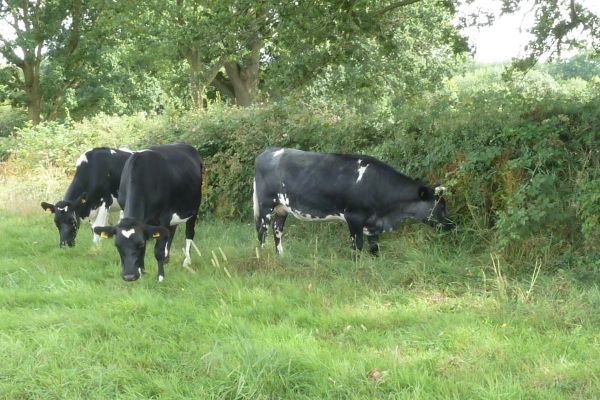
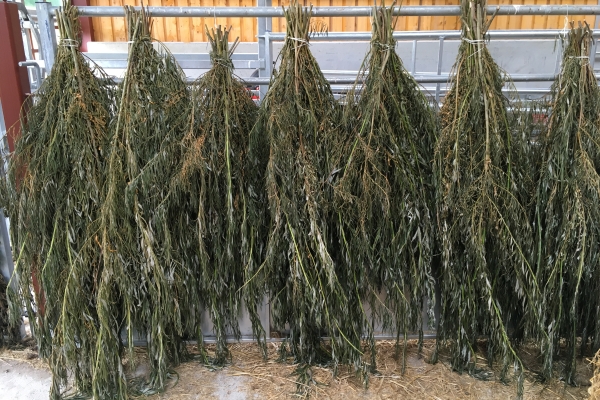
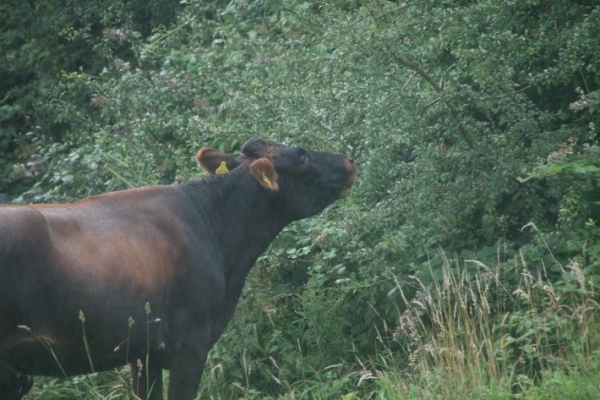
Feeding tree fodder to livestock was once an important part of normal husbandry practice in traditional farming systems. It was typically available to animals as fresh browse or harvested and fed either fresh or dried (commonly referred to as tree hay) and then fed during the winter months. A third practice was to release stock into (particularly ash) woodlands for them to feed on fallen leaves in the autumn. With an increasing need to focus on sustainable and resilient farming systems, the reintroduction of this practice has real potential to make a meaningful contribution. This Agricology Technical Guide brings together peer-reviewed research and anecdotal evidence of what farmers might need to know when considering tree fodder as an integral part of their farming system. It looks at livestock browsing behaviour, nutritional, mineral and medicinal value, potential impacts on animal health and welfare, and ways of producing, harvesting and feeding tree fodder. Key author Dr Lindsay Whistance, Principal Researcher – Animal Husbandry at the Organic Research Centre, is internationally known for her research on farm animal behaviour, health, welfare and nutrition in organic agriculture.
See also the accompanying Tree Fodder Hub
- Tree fodder provides supplementary nutrition, minerals, and medicinal compounds, supporting livestock health and resilience, especially during dry seasons or winter months.
- Domesticated animals naturally browse on trees and shrubs, with goats and sheep showing higher intake due to their ability to digest anti-nutritional factors.
- Tree fodder is comparable to grasses and forbs in macronutrients and can be superior in protein, fat, and sugar content.
- Tree fodder is a stable source of minerals like zinc, cobalt, selenium, and calcium, which vary by species, location, and season.
- Condensed tannins and salicylic compounds in tree fodder can provide health benefits, such as reducing methane emissions, managing intestinal parasites, and treating inflammation and pain.
- Direct browsing, cut-and-drop feeding, tree hay, and silage are effective ways to provide tree fodder. Tree hay is highly palatable and can be stored for winter use.
- Pollarding and shredding are effective methods for harvesting tree fodder. Proper timing and storage are crucial for preserving nutritional value.
- Case studies: Farmers Tim Downes and Lynn Cassells and Sandra Baer have successfully integrated tree fodder into their systems, improving livestock health, fertility, and resilience while reducing reliance on chemical treatments.
- Recommendations: Incorporate diverse tree species for nutrition, shade, and shelter; manage trees for optimal growth and accessibility; and explore tree fodder as a sustainable supplement to traditional feed.
Findings & recommendations
Summary provided by:
Phil SumptionEdited by:
Janie Caldbeck
Author(s):
Whistance L, with case studies by Caldbeck J, Cassells L, & Downes TOrganisation(s):
- Agricology
- Organic Research Centre
Date:
01/04/2026Evidence:
Applied research
Copyright:
All Rights ReservedRelated theme:
Key Farming Practices:
- Diverse feed & forage
- Homegrown feed
- Livestock homeopathy
- Silvopastoral
Related articles