Agricology’s Top Picks for ORFC 2026
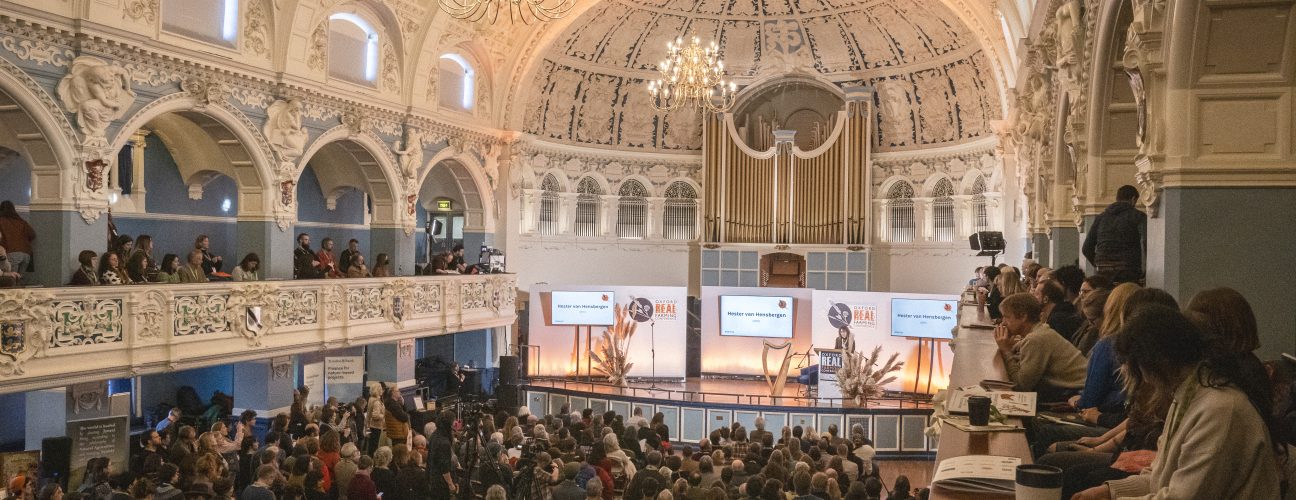
The Oxford Real Farming Conference (ORFC) is always one of our annual highlights, and this year’s event promises to be no exception!
Now in it’s 17th year, founders Ruth West and Colin Tudge have recently received the Derek Cooper Outstanding Achievement award at this year’s BBC Food Award, in honour of the contribution that ORFC has made to the wider UK farming movement.
With a packed programme of over 150 talks, plenary discussions and workshops covering topics that range from farming for water to insect migration taking place between the 8th and 9th January, there really is something for everyone in the 2026 programme. To help you along the way of choosing between the sessions on offer, we have selected our top 15 picks – all offering practical ideas and inspiration that you can implement on your farm.
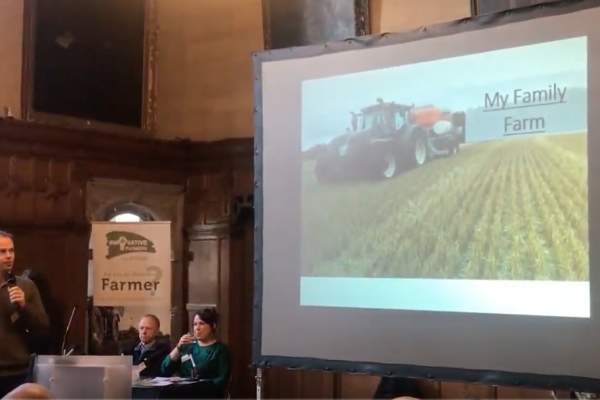
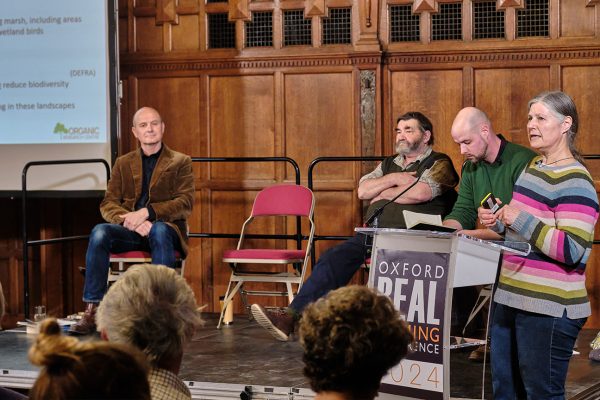
Top picks for the first day include sessions featuring ORC’s Lindsay Whistance and farmer and Nuffield Scholar Tom McVeigh. Lindsay, a much respected voice on all things livestock, has been working closely with us on our upcoming Tree Fodder Technical Guide which will be published in the new year. Tom McVeigh took part in our most recent Resilient Farm Roadshow event, where he shared valuable insights into his experiences of transforming his family’s 450-acre farm into a model of agroecological innovation. Blending modern science with nature-led principles, Tom is pioneering strip farming, agroforestry, and polyculture to boost biodiversity and soil health while reducing inputs.
Of the rich variety of workshops, talks and discussions taking place on the second day, potential highlights include a discussion on green manure use in horticulture which will be chaired by Andy Dibben. Andy featured in our most recent podcast series ‘Agroforestry Through the Elements‘, and will also star in a soon-to-be-released video that will accompany our upcoming Rotations for Field Vegetables Technical Guide. We are also keenly looking forward to the ‘Remarkable Migrants’ workshop that promises to provide plenty of fascinating facts about the role that insects play within the farm system.
We have included two bonus recommendations for food-focused sessions that will tantalise your taste buds and leave you hungry to learn more!
Hope you enjoy perusing our suggestions. The full programme is available here, with details about all the speakers and chairs listed here.
If you haven’t yet bought your ticket, both in-person and online places are still available via this link.
THURSDAY
Home Grown Organics: Balancing Supply and Demand
Speakers: John Taylor, Lee Holdstock, Adam Westaway. Chair: Katrin Hochberg
11am – 12.20pm, Town Hall – COURT ROOM

Organic sales are growing year-on-year, retailers report shortages for some categories, imports are increasing and yet, we are not seeing the level and type of conversions that reflect the opportunities. Can the lessons of the past inform how best to support long term and sustainable growth of UK organic production? The panellists in this session all have 20+ years of experience, supplying organic vegetables and dairy and supporting the organic sector. They’ll share their experiences and will reflect candidly on the ups and downs of the organic market over many years, what producer support has worked and how to share the risk more effectively and fairly across the whole supply chain.
Co-Creating Resilience: Nature, Farmers and Science
Speakers: Monika Zurek, Jen Lucey, George Bennett, Tom McVeigh. Chair: E.J. Milner-Gulland
11am – 12.20pm, Jesus College Ship Street – LECTURE THEATRE
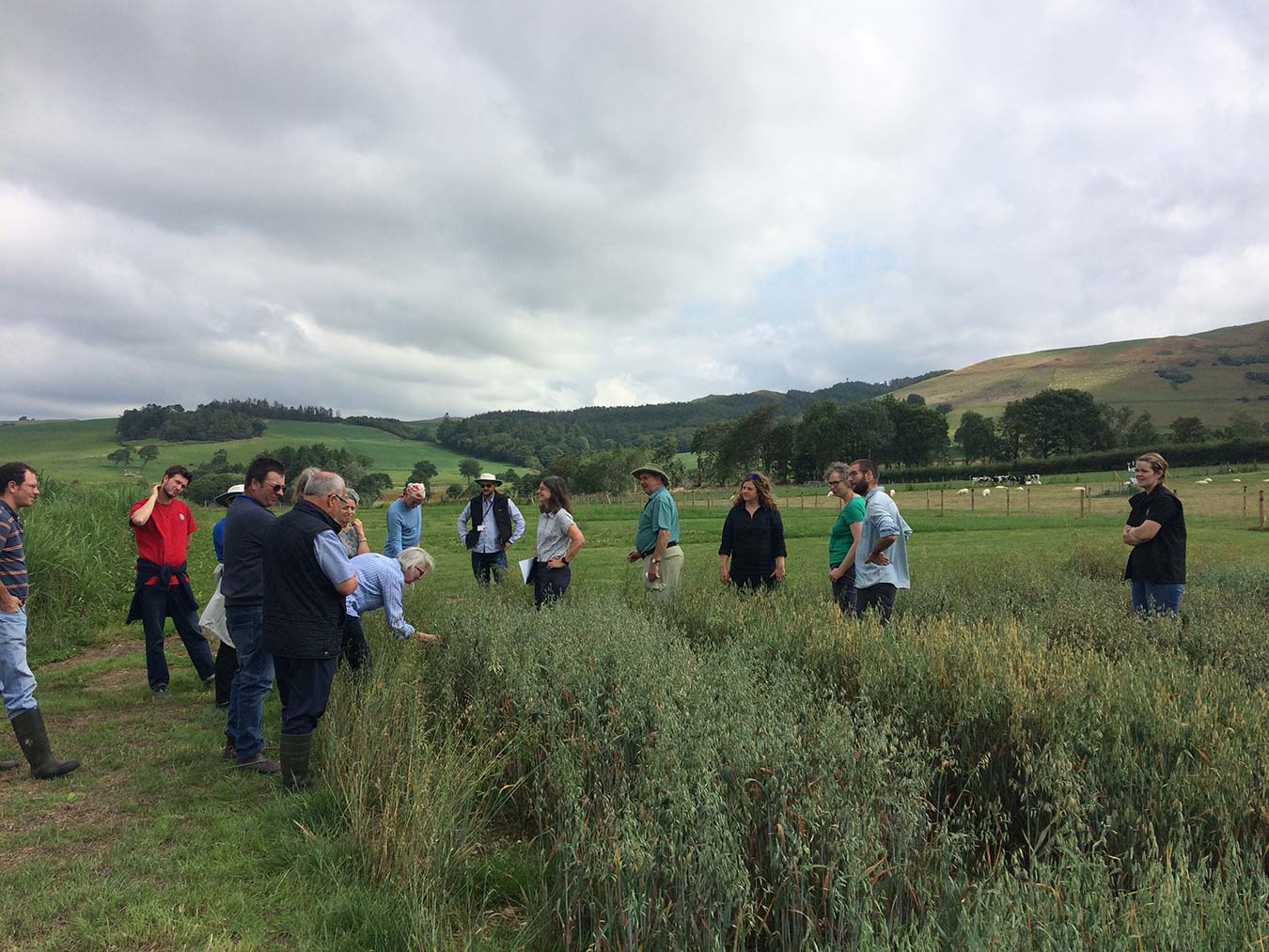
How can scientific research and local farming knowledge together harness the power of nature to build agricultural resilience in a whole food system context? Farmers and researchers will engage in an open dialogue to explore challenges and opportunities for meaningful collaboration between farmers and scientists to work better with the ecology of agricultural landscapes and overcome mounting challenges in food production. The session will follow a dialogue format with two farmers and two scientists, to encourage an open exchange of perspectives, ideas and pathways forward.
Building an Abattoir: Farmers at the Forefront
Speakers: Andy Gray, Jane Cooper, Claire White. Chair: Adrian Steele
2 – 3.20pm, St Columba’s United Reform Church – SANCTUARY

Faced with continuing smaller abattoir closures some farmers have been taking matters into their own hands, embarking on the journey of building an abattoir. This session covers all that entails, the good, the bad and the ugly! We will hear about projects at various stages including a micro sheep slaughter unit on Orkney, an on-farm abattoir in Devon, a small abattoir on the isles of Scilly and the North Cotswold Abattoir group whose ambitious plans include an abattoir, butchery school, retail business and more. Attendees will also hear about new technology supporting innovative small abattoirs.
Thinking Like a Fish: Nature-Based Solutions for Lough Neagh
Speakers: Jim McAdam, Helen Keys, Ian Marshall, Mark Horton, Andrew Muir MLA. Chair: William Frazer
4 – 5.20pm, Town Hall – ASSEMBLY ROOM
Before blue-green algae shone a spotlight on Lough Neagh’s pollution crisis, a group of ecologists and farmers came together to design practical, nature-based solutions that could work for both river and farm. Five years on, these approaches are showing results for both the rivers and the farmers. The challenge now is widescale adoption. In this session, attendees will hear from The Rivers Trust, a farmer putting the systems into practice, and members of the team who designed them — exploring how farmers, communities and policy makers can work together to make these solutions mainstream.
FRIDAY
Biostimulants: A Practical Guide
Speakers: Jayne Arnold, Tim Parton, Mike Harrington, Peni Ediker. Chair: Calixta Killander
9 – 10.20am, Town Hall – ASSEMBLY ROOM
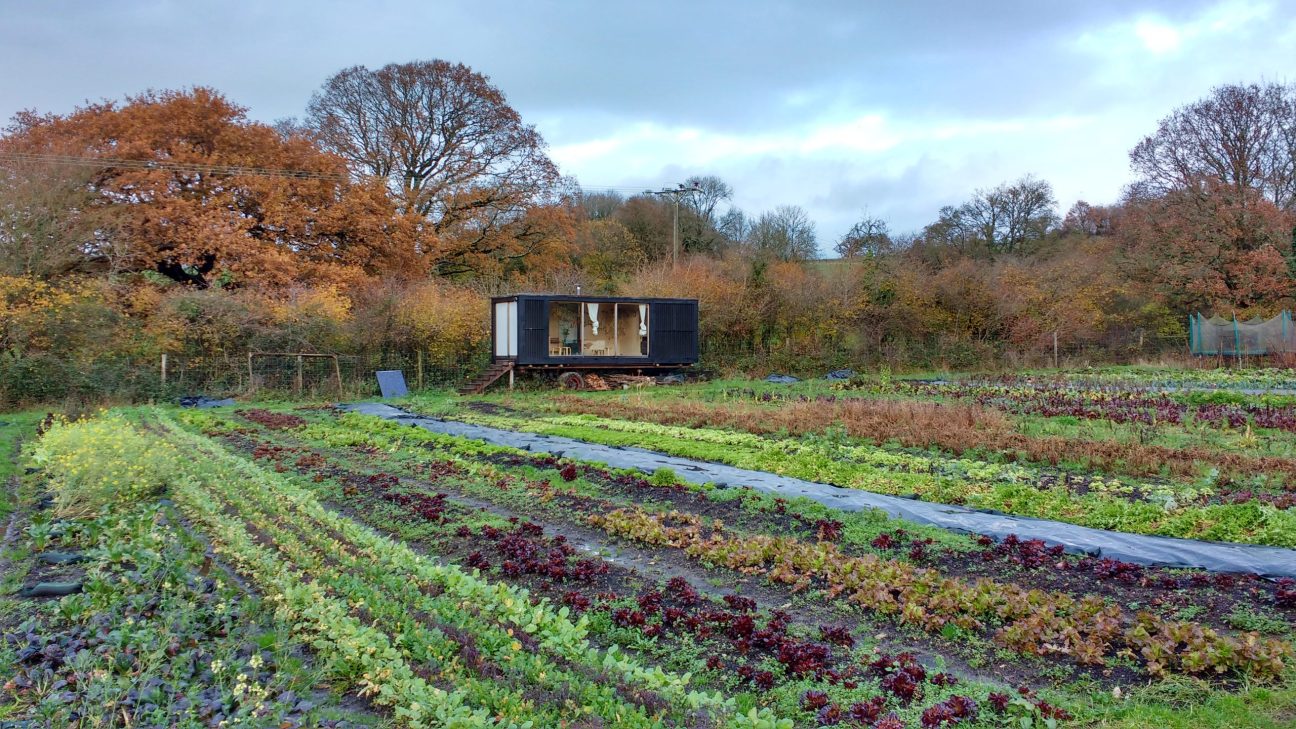
Biostimulants are being used at all scales of food production now. What are they? What can they do? How and when should we use them? This session will cover the theory and practical uses of biostimulants, covering both their arable and horticultural uses, as well as demonstrating effective use at different scales of food production.
Practical Guide to Effective Integration of Green Manures into Horticulture
Speakers: Jayne Arnold, Maria Jenkins, David Newman Chair: Andy Dibben
11 – 12:20pm, Town Hall – COURT ROOM
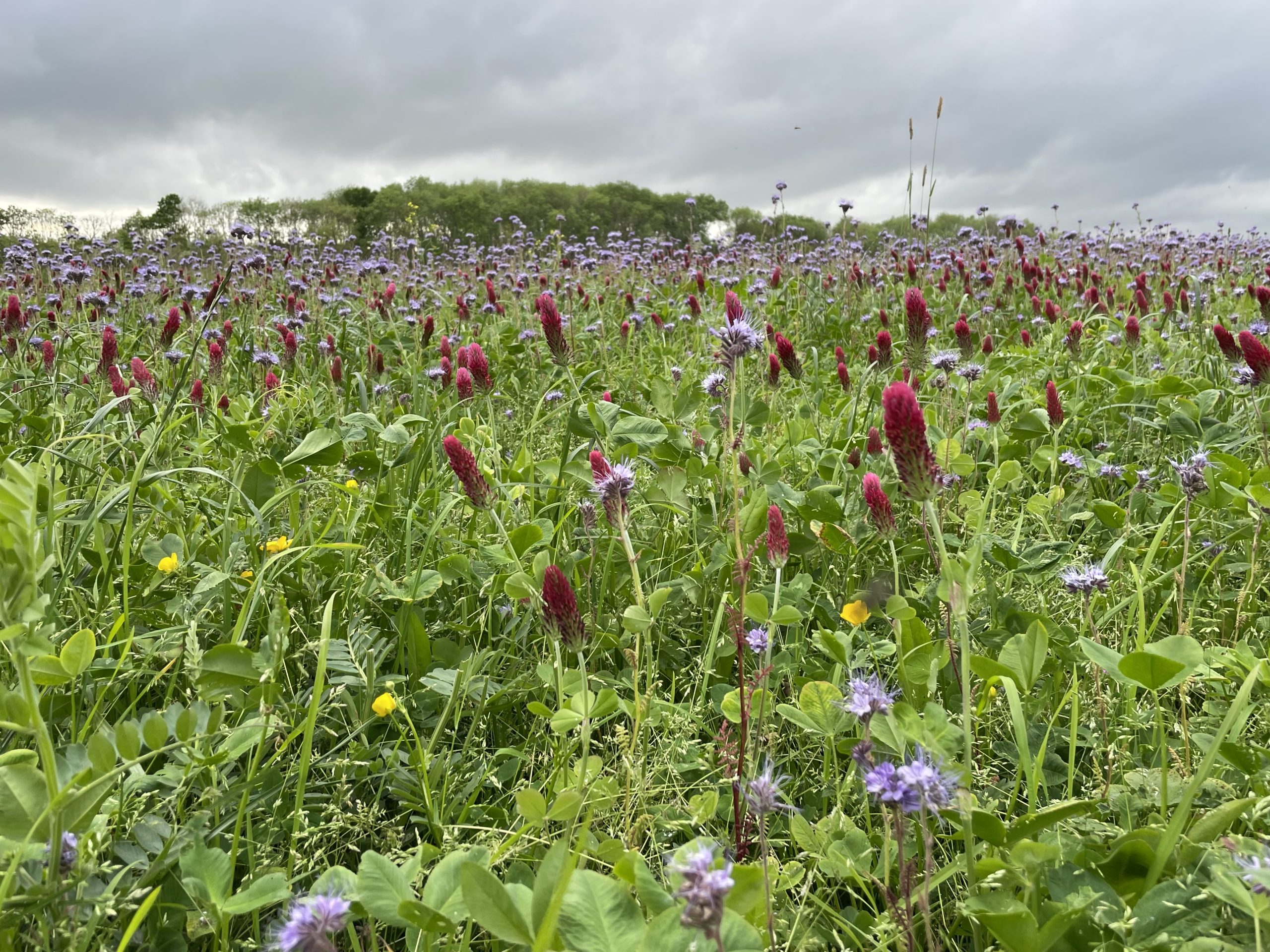
Green manures, when successfully applied, help to improve nutrient cycling, weed suppression, and will increase soil organic matter, ultimately benefiting crop resilience. Content to include the benefits and the challenges. In this session, we’ll look at case studies and practical examples of techniques, timing and species selection with a view to putting detail on the following subtopics: fertility building, under-sowing and overwintering.
Workshop: Plastic Free Farming: A Dream or a Necessity?
Facilitators: Lauren Haley, Lily McGuinness
11 – 12:20pm, Jesus College Ship Street – WORKSHOP ROOM
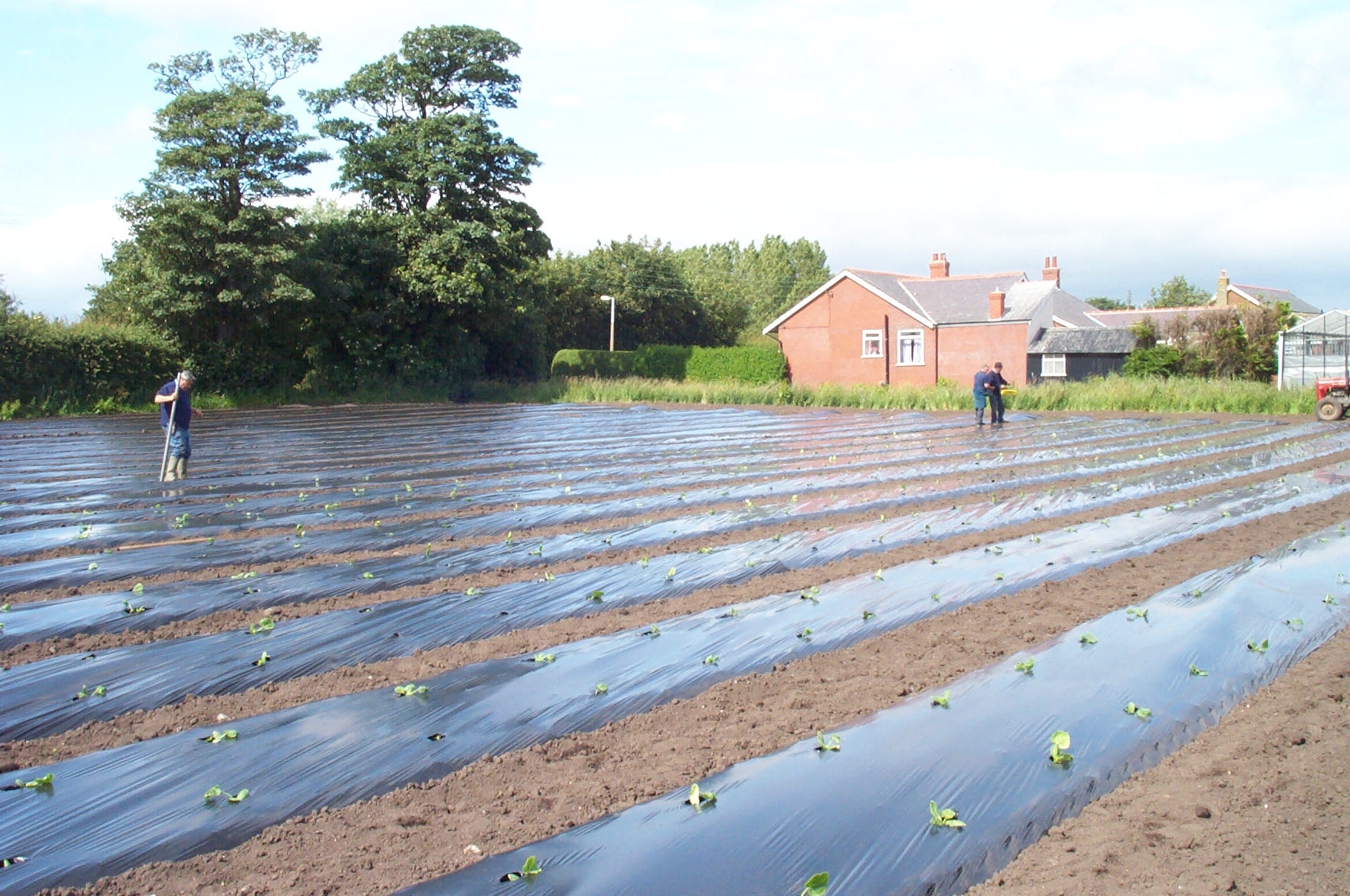
Plastic use throughout farming is rife and many of our systems and methods now appear tied to plastic consumption. We all know it’s bad, but how can we practically transition to alternative materials? In this workshop we will work collaboratively to put forward a toolkit of what practical alternatives to plastic are working on our farms and in our distribution methods. These conversations will be underpinned by a presentation on scientific research into alternatives to plastic mulches and on farm trials by a grower; influenced by permaculture principles.
Perennial Protein: How UK Nut Farming is Healing Land and Communities
Speakers: Josiah Meldrum, Lucy Williamson, Andrew Kent, Tom McVeigh. Chair: Elsa Kent
2 – 3:20pm, Town Hall – ASSEMBLY ROOM
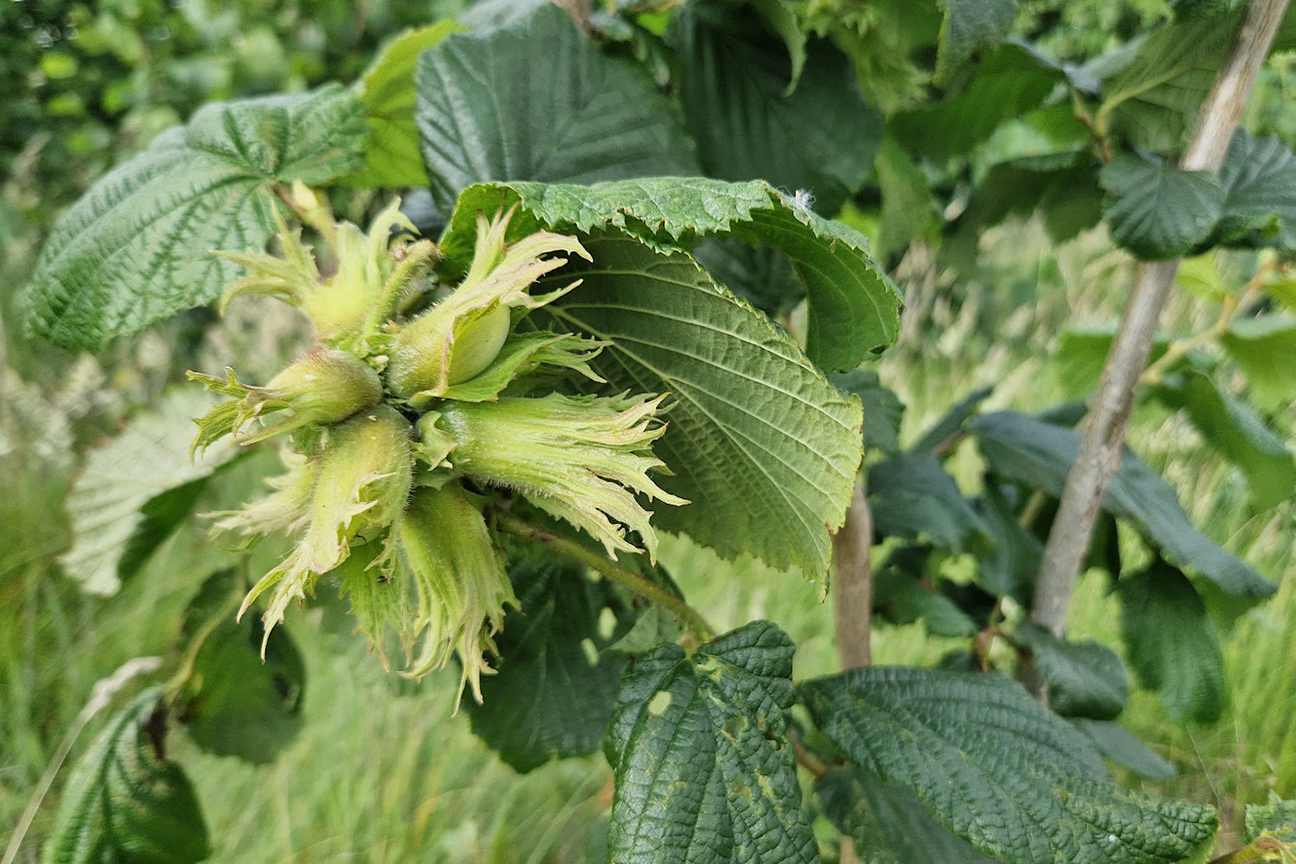
The future of nutrient-rich food is a hotly debated topic, but no one can argue against highly biodiverse agroforestry that feeds both the soil and our bodies. Nuts are small but mighty — packed with protein, healthy fats, minerals, and antioxidants that deliver powerful health benefits. UK nut farming may still be a relatively small sector, but it’s growing fast, with pioneers like Andrew Kent from Glastonbury Nut Farm and Tom McVeigh leading the charge. This session will explore how perennial protein from nut farming can heal the land, bring communities together, improve health outcomes, and what the market looks like going forward.
BONUS: Sessions to Tantalise the Tastebuds!
Workshop: Today’s Menu – Agroecological Foods to Celebrate Now
Facilitator: Jack Feeny
Friday 2 – 3:20pm, Story Museum – LINK ROOM
Every credible food system model for the future requires us all to shift our diets. This workshop, facilitated by No Mise En Plastic, explores the ingredients that can play a key role in the transition toward a just and resilient food system. Join discussions highlighting the ingredients that deserve a place on our plates. From perennials and wild meats to alternative grains and mussels, explore key insights from the Today’s Menu online resource. The session will offer tasters of some exciting new flavours and examine how the constraints of seasonality can spark creativity. Leave empowered with practical knowledge and skills to make informed, climate-conscious food decisions.
Brewing for Biodiversity and Social Change
Speaker: Thomas Daniell. Chair: Emma Burnett
Thursday 12:45 – 1:30pm, St Columba’s United Reform Church – HALL
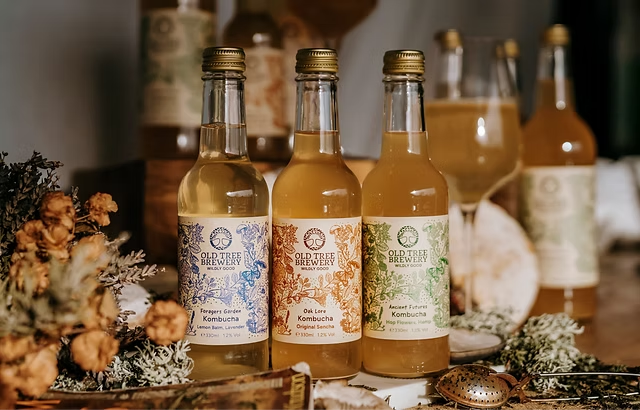
Join Tom, the founder of Old Tree Brewery CIC for a story of how fermentation, foraging and agroforestry can combine to re-nature our agri-culture and create regenerative livelihoods. Tom will share ten years of learning from brewing with perennial and wild plants — creating circular systems that connect soil, gut health and community. From compost to kombucha, craft drinks to living soil, to the planting of Drink Forest Gardens: discover how the botanical brewery providing the ORFC bar is working to reverse monocultures and realign what we drink with what sustains life! Come along, learn how to get involved, then visit the Old Tree Brewery pop-up for more drinks in the Main Hall later.

All information above on ORFC sessions has been taken from the ORFC website.
View the full line up of sessions here.
Associated Agricology Partner Organisation(s):
Published date:
16th December 2025Related farming theme:
- Agroforestry
- Animal health & welfare
- Biodiversity
- Cereals, oil seeds & pulses
- Climate
- Communities & education
- Compaction & cultivation
- Crop nutrition & fertility building
- Drainage
- Grasslands & forage crops
- Markets & food systems
- Nutrition & public health
- Organic farming
- People & skills
- Pests & diseases
- Pollinators & ecological services
- Regenerative agriculture
- Rotations
- Soil biology
- Weeds
Key Farming Practices:
- Biological & cultural weed management
- Cover crops
- Direct drilling
- Diverse / herbal leys
- Encouraging beneficial insects
- Habitat creation
- Integrated pest management (IPM)
- Mechanical weeding
- Minimum Tillage
- Mixed farming
- Mulching
- No tillage
- Novel / niche crops
- Organic fertilisers
- Silvoarable
- Silvohorticulture
- Soil monitoring
Organisation(s):
- Oxford Real Farming Conference
Related articles