
Farming for Nature Podcast
Resource explained
Farming for Nature is a not-for-profit initiative founded in 2018 under the auspices of the Burrenbeo Trust by scientists and farmers to help restore the ecological health of Irish farmland. Their mission is to “Encourage all farmers to increase biodiversity on their land, manage their land in holistic manner, provide cleaner water, build fertile soils, help mitigate against climate change, and produce nutrient-dense food that will benefit their community, their economy and their environment.” Their podcast channel set out to have “conversations with Irish farmers about how and why they make space for nature while operating a profitable farm” and has published 43 episodes between October 2018 and May 2024.
Findings & recommendations
- Focuses on farmers’ experiences of integrating nature into productive farming systems – balancing ecology and profitability.
- Explores practical regenerative and nature-friendly methods, including soil health, composting, reduced inputs, agroforestry, and habitat creation (e.g. hedgerows, ponds, wetlands).
- Covers biodiversity on farms, with discussions on supporting species such as birds, bats, pollinators, and dung beetles.
- Examines innovative enterprises, such as direct-to-consumer food systems, micro-dairies, market gardening, and on-farm processing (e.g. brewing, organic produce).
- Highlights economic viability, showing how farms can remain profitable while restoring ecosystems.
- Includes transformation stories, where farmers shift from intensive to regenerative or conservation-based systems.
- Discusses specific techniques and niches, such as biochar production, fungi in farming, upland systems, and rewilding approaches.
- Emphasises local knowledge and farmer-led innovation, often shared in a conversational, experience-based format.
- Has a broader theme of farming as a tool for landscape restoration, climate resilience, and community connection.
The series:
Summary provided by:
Phil SumptionEdited by:
Janie CaldbeckRelated articles
Dung beetles bring a number of positive attributes. Bruce Thompson explains how these insects are not just to useful to farmers, but are also a...

"I had always been interested in soil but began to explore the relationship between soil and animal health more and developed an interest in anthelmintic...

Recording of a talk from the 2025 Fields Good regenerative agriculture festival. Organic Sligo farmer Clive Bright outlines how he has worked closely with nature...
NFFN/Farm Wildlife booklet highlights farmers enhancing ecosystems, restoring soil health, boosting profit margins, and increasing resilience to extreme weather.
"We set out to create some easy to follow but detailed resources that would help farmers, growers and other land managers to increase their use...
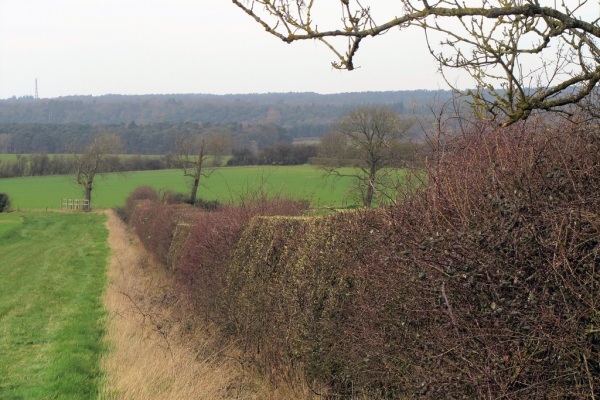
An update on research by the Centre for Ecology & Hydrology that outlines the potential benefits of changing your hedgerow-cutting regime.
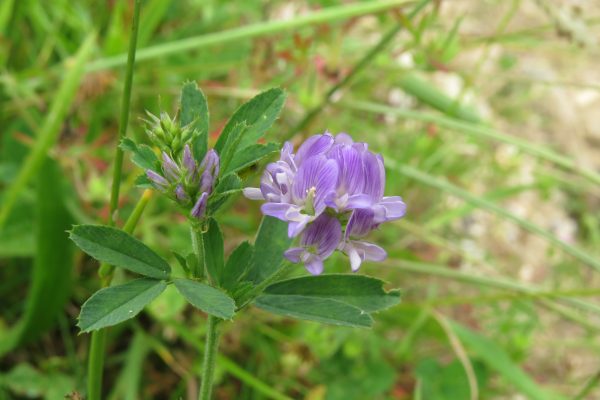
Improving soil health and enhancing wildlife on a mixed organic farm through using sustainable natural inputs and innovative cropping.
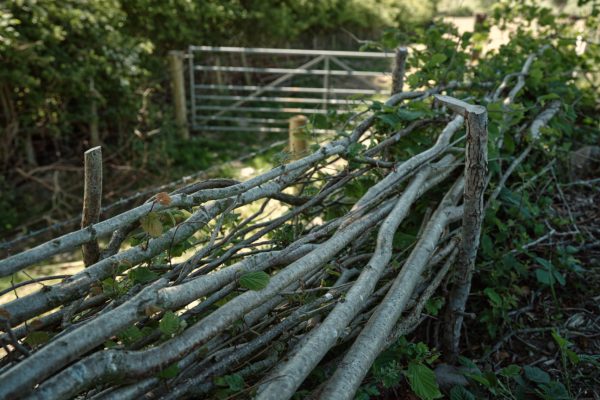
A practical, farmer-focused webinar from NFFN on why hedgerows are vital for wildlife, climate and farming resilience, and how to best manage them.
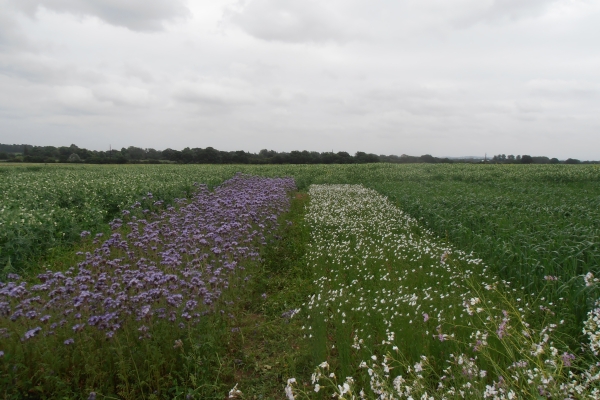
Research that looked at the effects of creating wildlife-friendly habitats in less productive areas of fields on a conventional arable farm.
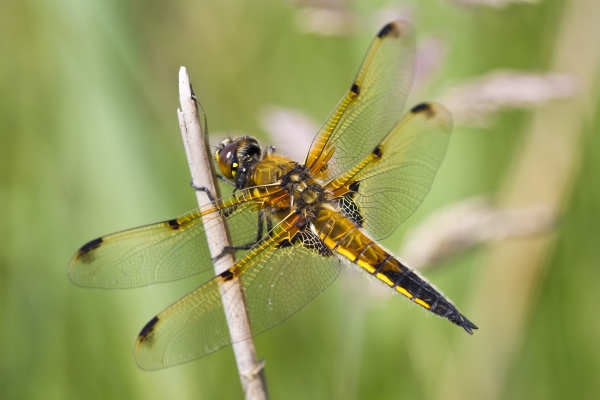
Find out about the wildlife of ponds, ditches, rivers and streams on the farm and some tips on habitat management.
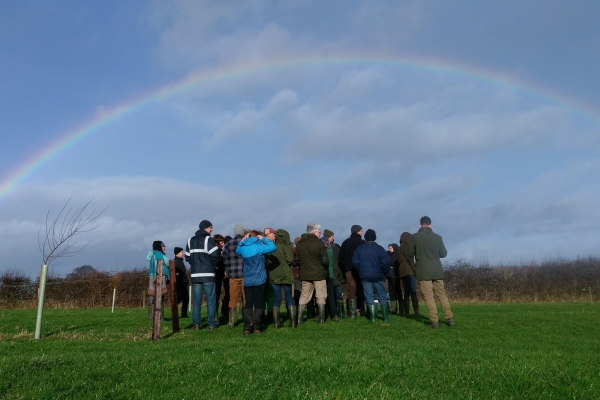
Cecile Smith share findings from a new LUPG report containing 14 case studies of farmers who adopted agroecological practices and undertook system change on their...
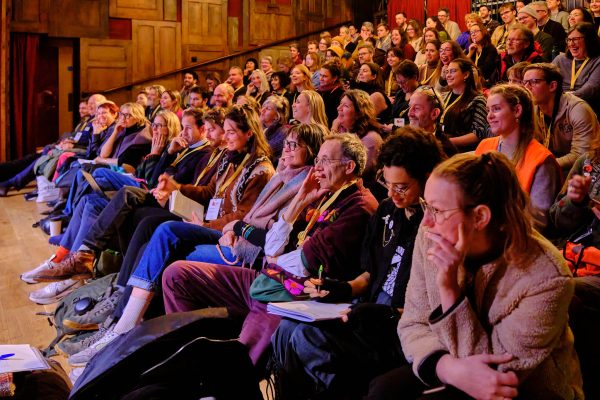
Read a selection of Alice, Janie and Phil's key session highlights and wider learnings from the Oxford Real Farming Conference 2026.
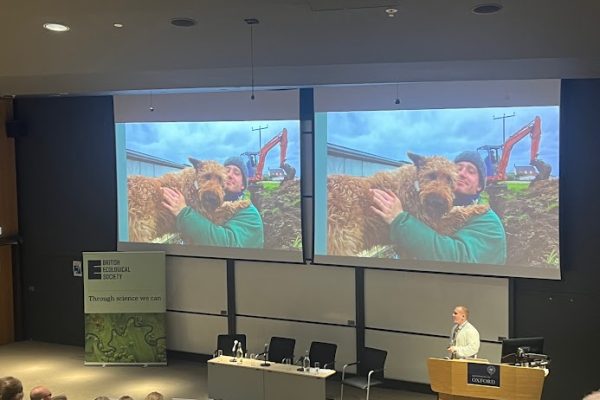
Lucy Bates introduces a new map launched by Sustainable Farm Networks and five case study farms (working at the extremes of the map) who are...
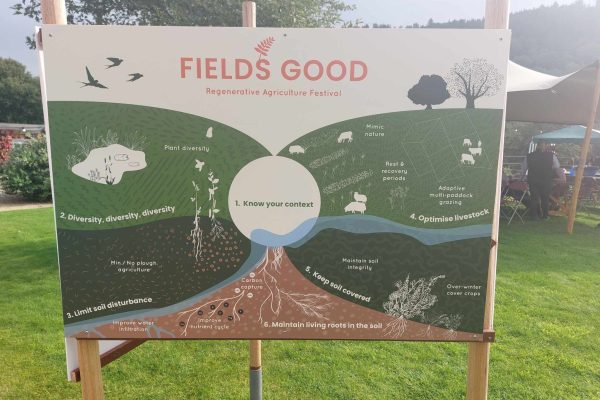
Agricology were thrilled to take part in Northern Ireland’s first regenerative agriculture festival, which took place at the Sheddings, a beautiful venue that forms part...
Lawrence Woodward reflects on a survey conducted by Whole Health Agriculture and the implications of its findings.
Real Seeds' Kate McEvoy shines a light on the fragility of the seed system and trys to encourage people to think about seed sovereignty as...
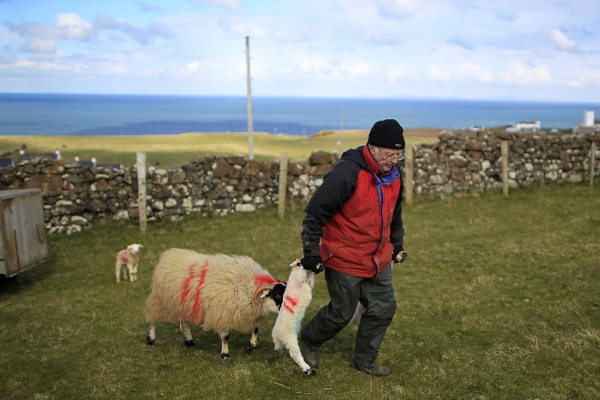
"The Parks is a hill sheep farm (situated near the coast in Co. Antrim, Northern Ireland), which since 2002 has been an Agri-Food and Biosciences...
This project / campaign brings together AHDB’s grassland resources and encourages farmers to utilise their grass more efficiently.