No drought about it: Farming agroecologically for climate resilience
Resource explained
The premise of the report (written by Hannah Blitzer and Maddy Potter Wood of the Soil Associatio) is that climate change is bringing more frequent floods, longer droughts and hotter summers – sometimes all within the same year. These increasingly extreme and unpredictable weather events are damaging crops and livestock, creating major risks for farm businesses and threatening the stability of the UK’s food supply. The authors address the question: ‘What is climate resilience, and why is it vital for farmers?’ They then go on to look at the climate challenge, the evidence, and the farming approaches that fail ‘the Climate Adaptation Test.’ They put the case for agroecological approaches that recognise the importance of soil health, optimise the role of livestock in farming systems, reduce reliance on synthetic inputs and tap into agroforestry for whole-farm resilience. The report includes case studies (Holden Farm Dairy, Scotson Farm, RBOrganic) and outlines the state of play of UK policy.
Findings & recommendations
- Our society must adapt to cope with the impacts of climate change. Building resilience across livelihoods, economies and the environment is essential for anticipating, responding to and adapting to a changing climate.
- The report recommends a ten-point plan for building climate resilience:
- Develop a national resilience plan for farming with a central role for organic
- Strengthen soil protection, with clear targets for soil and funding for good soil management practices above a baseline
- Increased production and consumption of climate-friendly foods, including UK-grown horticulture, beans and legumes.
- Reduce industrial livestock pollution, with more support for mixed and extensive pasture-based systems and firm regulation of industrial livestock
- Reduce reliance on synthetic inputs, with a shift towards organic and low-input practices which cause less pollution and are less exposed to fossil-fuel price shocks
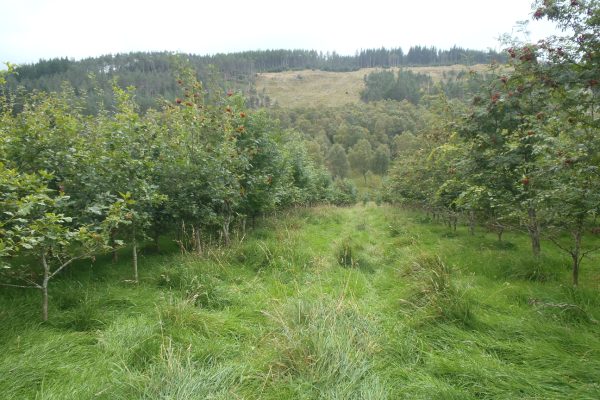
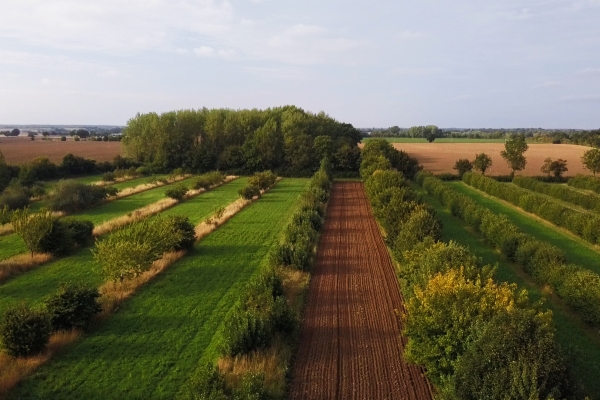
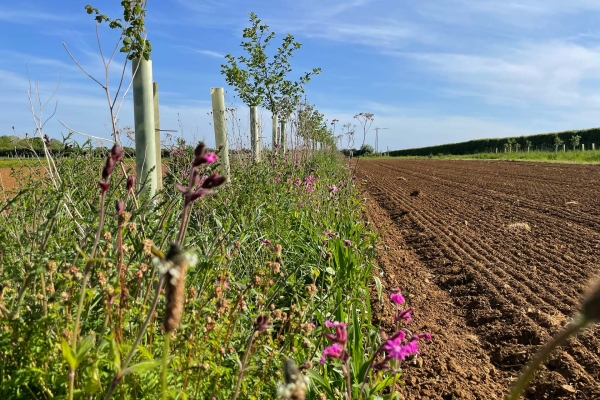
- Scale up agroforestry to protect crops, livestock, and the environment
- Improve monitoring and baselining to track progress, using data in Whole Farm Plans
- Make supply chains fairer for British farmers, including fair trade and tariff agreements and improved regional food infrastructure
- Make private markets work for resilience, with stronger governance of carbon and natural capital markets to ensure they truly boost nature-based solutions
- Invest in the right technology, infrastructure and renewables, which are aligned with agroecological principles – not just “silver bullets”
Summary provided by:
Phil SumptionEdited by:
Janie CaldbeckAssociated Agricology Partner Organisation(s):


Author(s):
Blitzer, H and Potter Wood, MOrganisation(s):
- Soil Association
Date:
16/02/2026Evidence:
Applied research
Copyright:
All Rights ReservedRelated theme:
Key Farming Practices:
- Biological & cultural weed management
- Companion crops
- Cover crops
- Direct drilling
- Direct selling
- Diverse / herbal leys
- Diverse feed & forage
- Diverse rotation
- Encouraging beneficial insects
- Homegrown feed
- Integrated pest management (IPM)
- Intercropping
- Leys in crop rotations
- Livestock homeopathy
- Low input breeds
- Low input crop varieties
- Minimum Tillage
- Mulching
- No tillage
- Pasture fed livestock
- Relay cropping
- Rotational grazing
- Silvoarable
- Silvohorticulture
- Silvopastoral
- Silvopoultry
- Soil monitoring
- Trap crops
- Undersowing
Related articles