Climate Resilience: a Guide for Growers
Resource explained
This 32-page booklet was written by Andy Dibben and Dan Burston for the Organic Growers Alliance (OGA) and CSA Network UK with the support of AFN Network+. It was inspired by Andy and Dan’s Crop Planning for Uncertain Times workshop at the Organic Growers Gathering in 2024. It is aimed at the small to medium-scale agroecological horticultural producer to provide practical knowledge to improve their resilience and flexibility in the face of increasing climate-based challenges to food production. It contains sections on adaptation, mitigation and diversity, the whole farm systems approach, use of green manures, the inherent resilience of diversity, flexibility and responsiveness, protected cropping, perennial crops, key climate resilient crops, and appropriate infrastructure for resilience. The guide has a CSA perspective running through it, emphasising the inherent resilience of the model that shares the risks and rewards of food production, and highlighting the role that community can play in supporting growers to make the changes needed.
Findings & recommendations
- Adaptation means making changes by designing our production systems to be flexible and resilient to cope with changing weather patterns.
- Mitigation is minimising or negating the harm already done – the negative effects of agriculture on climate, soil health and biodiversity.
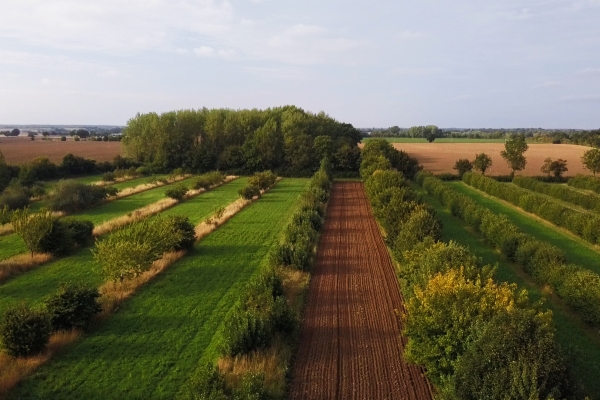
- The essence of a whole farm systems approach is designing a truly diverse, complex system that delivers resilience, but does not compromise on efficiency. Let nature do some of the work.
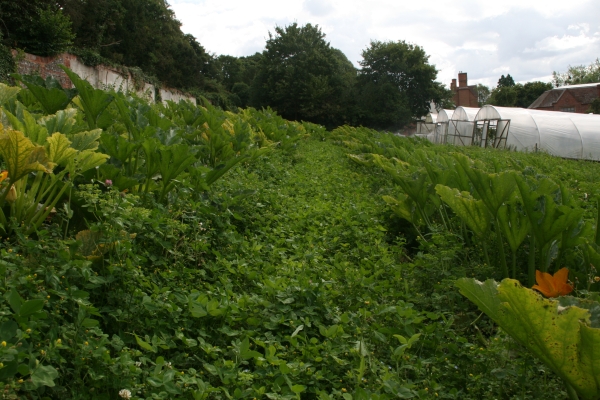
- Green manures are a great tool for resilience, keeping the land covered especially over winter. Save time and space by undersowing and relay cropping.
- Diversity plays a key role in building resilience; diversity of cropping, varieties, seasonal diversity, and diversity of routes to market and income streams are all important.
- Flexibility and responsiveness are key. A good crop plan is the baseline, but extraordinary weather can throw plans into disarray. Learn when to give up and when to keep going. Be patient but decisive.
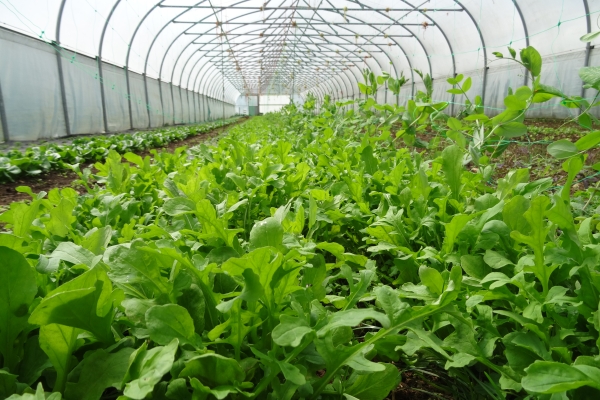
- Protected cropping can protect crops from extreme weather. Use these cropping spaces creatively.
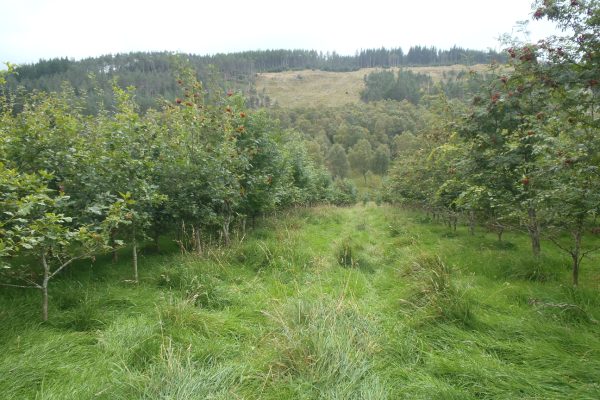
- Build perennials into your system.
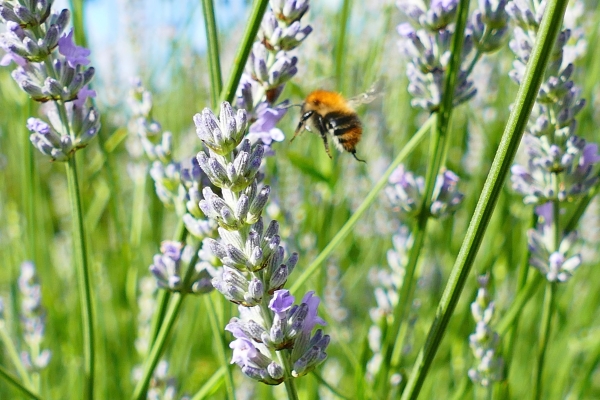
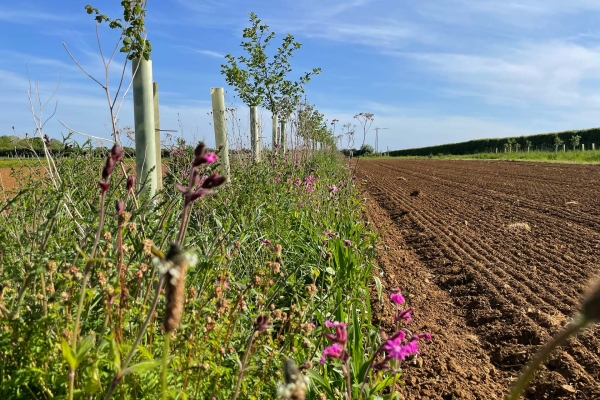
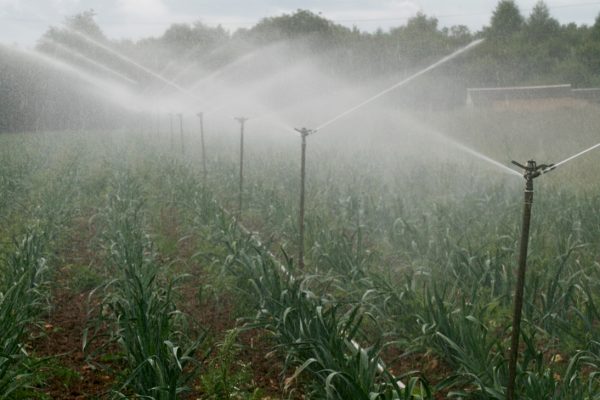
- Focus on infrastucture for resilience; Irrigation and adequate water supply or storage, windbreaks and shading, natural habitats for beneficial insects, indoor space for drying crops, and winter storage of crops.
Summary provided by:
Phil SumptionEdited by:
Janie Caldbeck
Author(s):
Dibben, A and Burston, DFunders:
AFN Network+Organisation(s):
- AFN Network+
- Community Supported Agriculture
- Organic Growers Alliance (OGA)
Date:
15/12/2025Evidence:
Farmer experience
Copyright:
All Rights ReservedRelated theme:
Key Farming Practices:
- Diverse rotation
- Encouraging beneficial insects
- Integrated pest management (IPM)
- Mulching
- Relay cropping
- Silvohorticulture
- Undersowing
Related articles