
IPM in Action: From research to practice in horticultural crops
Resource explained
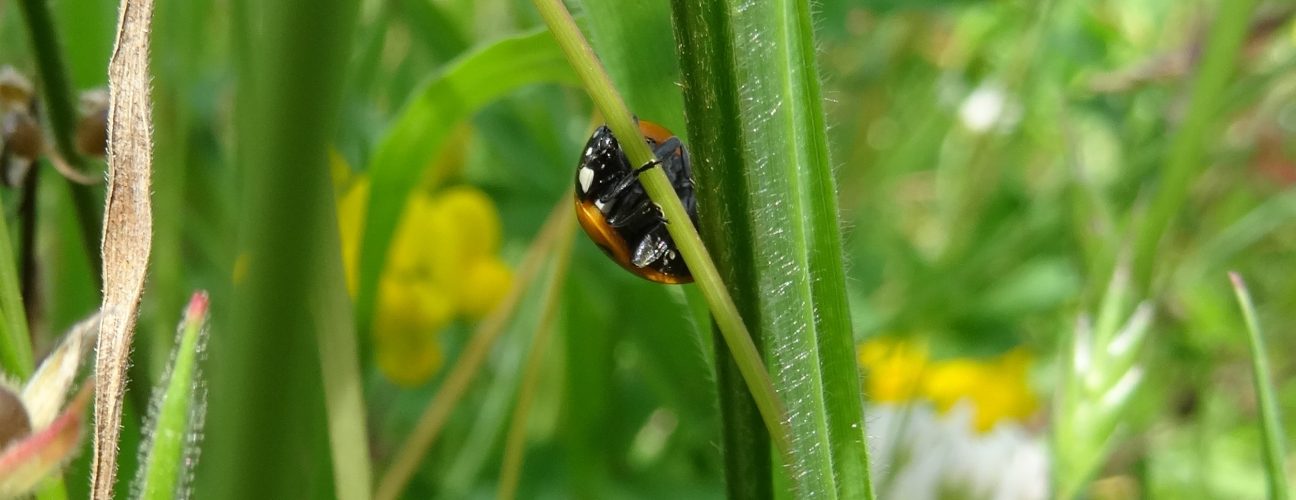
The webinar was hosted by the Organic Growers Alliance, Soil Association and Soil Association Scotland. Organic grower Andy Dibben from Abbey Home Farm chose to focus on Natural Pest Management as opposed to Integrated Pest Management (IPM), detailing practices like crop rotation, habitat creation, and tolerance to pests. Rosemary Collier from Warwick Crop Centre discussed research on IPM, including forecasting pest activity, bio-control methods, and plant diversity. Dave Barfoot (Head grower, Tyninghame Community Farm, East Lothian) talked us through his experiences with IPM, emphasising the use of flower strips to attract predators and maintain plant health.
Findings & recommendations
Andy Dibben
- Natural pest management can be a practical, commercially viable system (it pays its way) rather than an idealistic extra.
- Everything begins with the soil – good structure, organic matter and carefully managed fertility create crops that are inherently more resilient.
- Maximise biodiversity and avoid monocultures; mix crops, families and varieties, through good rotation.
- Create year-round habitats (hedges, wildflowers, agroforestry, under-sown green manures) within fields for predators.
- Tolerate low pest levels so predators persist; most damage is cosmetic.
Rosemary Collier
- It is important to know your enemy, particularly in relation to understanding the impact of climate change on pest activity.
- Use aphid forecasts (Rothamsted Research) to assist with time monitoring and interventions, and consider using emerging technologies such as smart traps with cameras and AI-based identification to improve monitoring.
- Maximise on diversity i.e. using companion cropping combining lettuce with plants such as Alyssum to bring in hoverflies.
- Partial resistance to pests and diseases may make a system more resilient than breeding for full resistance.
Dave Barfoot
- Core strategy – grow strong crops, then back them up with habitat for predators rather than pesticides.
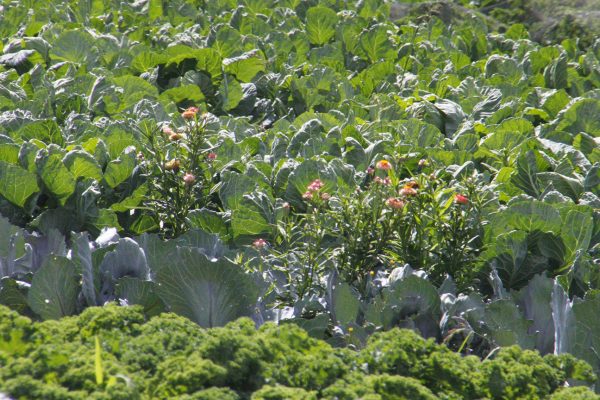
- In main crop brassicas, he sows a dense flower strip (Cotswold cornfield annual mix at double rate) right through the block, timed so peak flowering coincides with peak cabbage white and turnip sawfly pressure, and removes nets after the first few weeks so predators can access the crop.
- He creates ‘wild corners’ in polytunnels, allowing self-seeding flowers at block ends, and under-sows with low-growing flowers, chicories, clovers and vetch.
- Across the farm he lets some crops flower and go to seed, treats paths and edges as habitat, and constantly transplants weed species into desired ‘wild’ areas.
Summary provided by:
Phil SumptionEdited by:
Janie CaldbeckAssociated Agricology Partner Organisation(s):

Organisation(s):
- Organic Growers Alliance (OGA)
- Soil Association
Date:
16/03/2025Evidence:
Applied research
Copyright:
All Rights ReservedRelated theme:
Key Farming Practices:
- Integrated pest management (IPM)
Related articles
This project brings together nature-friendly IPM and pesticide reduction work that has already been implemented by innovative farmers, and shares this with other farmers.
The BEESPOKE project aimed to increase levels of pollinators and crop pollination by providing land managers and policy makers with the expertise, tools and financial...
An extensive guide that is invaluable for any farmer wanting to lower inputs and manage pests and produce crops sustainably.
Agricology has drawn together practical resources and case studies to help you plan, develop and manage your field vegetable rotations.
Do you know which and how many pollinators and beneficials you are encouraging on your farm? This webinar, recorded as part of AHDB Strategic Farm...
A summary of biological pest control methods for major UK crops for farmers and growers.
This Agricology Technical Guide focuses on vegetable rotations and should be useful for any grower or potential grower on a journey or transition towards more...
A DiverIMPACTS practice abstract exploring the practicalities of applying the technique of biofumigation to help with pest and weed control.
This guide from the Nature Friendly Farming Network covers the principles and practice of Integrated Pest Management with case studies and examples of actions.
This abstract describes information on encouraging natural predators to help control crop pests that reduce yield and quality.
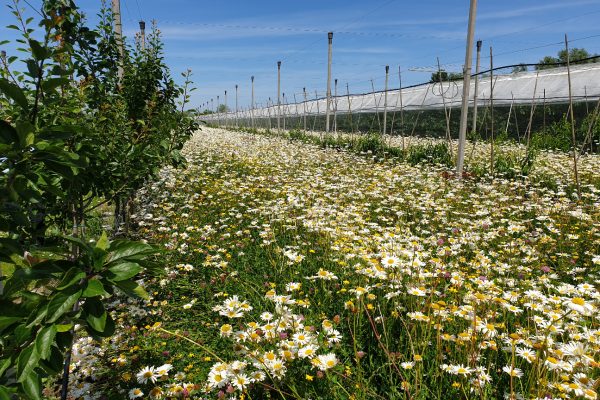
Interesting research that focused on identifying appropriate plants within flowering strips and companion cropping to help control apple and cabbage pests.
"I don’t look at irrigation, pest control, planting and weeding separately… the system is set up as one whole organic system and trees are integral...
In this video Andy Dibben talks through his vegetable rotations: " It's a systems approach. It's how we manage fertility, weeds, pests, and how we...
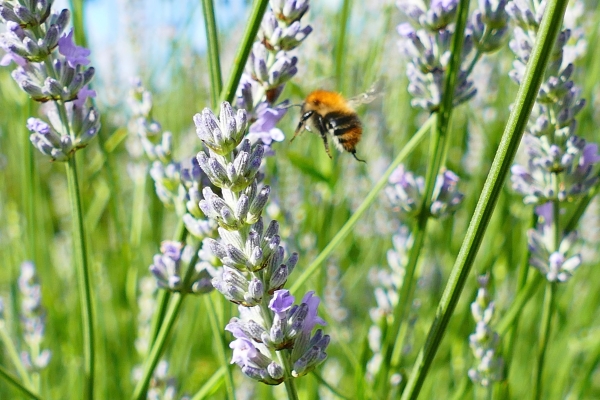
Organic vegetable farmer Andy Dibben puts forward the case for allowing complex insect ecosystems to develop or be proactively encouraged on farms, describing ways in...
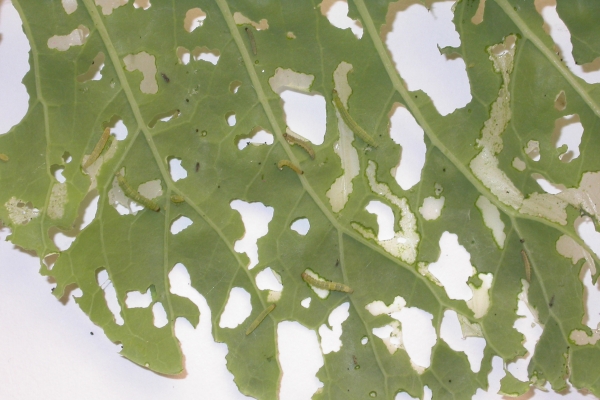
Rosemary Collier discusses the damage caused by diamond-back moths, and some recent research exploring novel approaches to manage them.
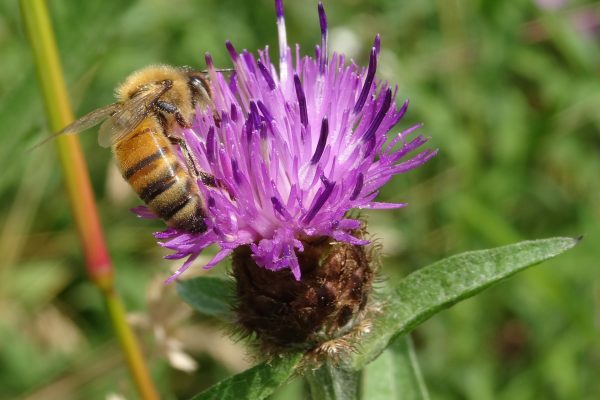
Handy practical guide to establishing perennial wildflower areas, produced as part of the BEESPOKE project.
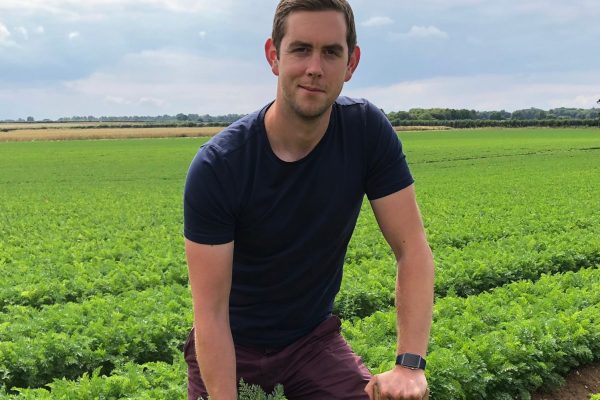
"RBOrganic is a vegetable growing business that forms part of Houghton Hall Estate in Norfolk. We have a long-term relationship with Houghton and are a...
"The RBOrganic Ltd team grow carrots, onions, leeks, potatoes, parsnips, beetroots and courgettes. We are a LEAF Marque certified business."