Farmer Group Facilitators Forum
Project Background
*The information below is adapted from the report‘Integrated Recommendations for Strengthening Facilitated Farmer Groups, and Farm-Led Landscape Recovery’ and the Agricology Facilitator Forum Briefing Note 2025.
Facilitated farmer groups have become one of the most effective and trusted mechanisms for delivering nature recovery, improving water and soil health, and strengthening rural economies across the UK. They are formed by and for farmers and play a vital role in local farming communities to reduce isolation and build confidence, through peer learning, to test and adopt more sustainable farming practices suited to local landscapes.
These voluntary groups create the social and organisational infrastructure needed to plan, deliver, and coordinate activity to achieve landscape scale improvements. Most operate in partnerships with nature conservation and landscape recovery organisations and are leading positive change, yet the system that supports them remains fragile. Fragmented funding, inconsistent governance, and the absence of shared tools or standards all limit the ability to deliver environmental and economic outcomes that national policy and emerging markets increasingly rely on.
A central theme emerging from discussions across regions, funders, and practitioners is the need to professionalise the facilitator workforce. Their roles are often insecure, under-recognised, and supported only by short-term, piecemeal grants, which affects recruitment, retention, and the quality of support available to farmers. Professionalisation would mean establishing consistent competency frameworks, providing structured training and mentoring, and creating long-term career pathways. It would also mean securing multi-year facilitation funding so that farmer groups can invest in relationships, governance, and long-term land management change rather than surviving from project to project.
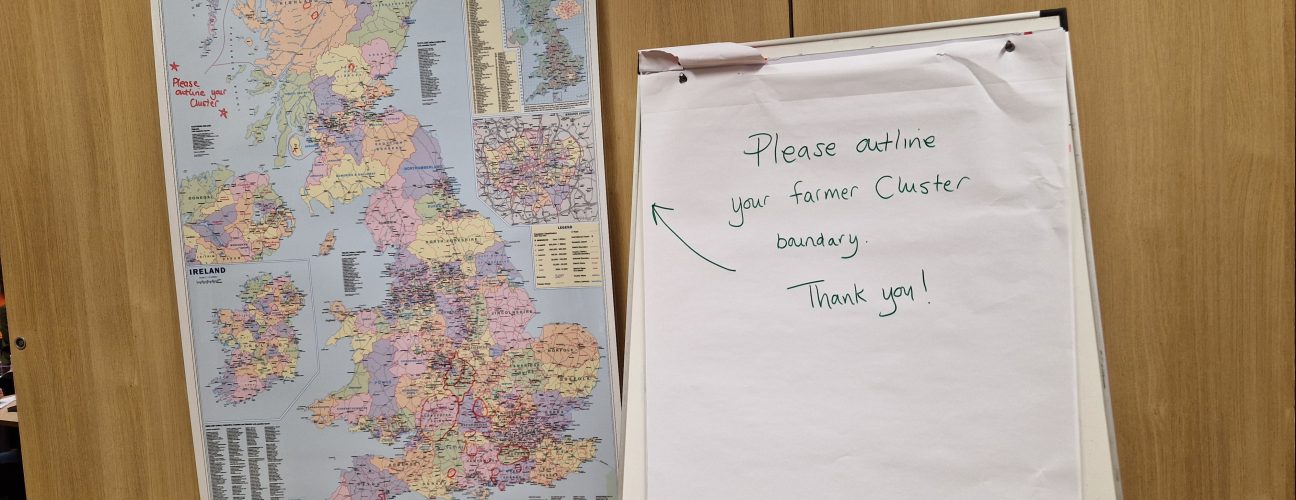
Alongside the need for a stronger workforce sits the challenge of knowledge and data sharing, and system-wide coherence. At present, each farmer cluster must identify tools, learn mapping systems, and search for funding independently. This leads to duplication, inconsistent quality of data, and growing administrative pressure on facilitators. A shared national resource hub – co-created with farmer groups and trusted intermediaries – would reduce these inefficiencies by providing templates for governance, legal structures, partnership agreements, monitoring methods, and procurement. It could also host a live funding database, training materials, and a national map of farmer groups, enabling groups to collaborate, co-bid, and coordinate across landscapes. Crucially, this must be underpinned by data systems that allow farmers to retain control of their information while contributing anonymised insights to regional and national datasets – strengthening both trust and value.
Another area highlighted consistently is the need for robust, streamlined monitoring and evaluation. Funders, policy makers, and emerging natural capital markets all require credible evidence of impact. However, monitoring expectations vary widely, and many farmer groups lack the tools or training to collect data consistently. Standardised metrics for biodiversity, soil, water, carbon, and socio-economic value, combined with practical guidance and accessible training, would help ensure outcomes can be compared and aggregated. Strengthening participatory approaches, such as farmer-led or citizen-science monitoring, would build local ownership and reduce costs. Clear, accessible reporting using dashboards, maps, and concise summaries is essential for communicating progress to communities, funders, and policy bodies, and for demonstrating the value of investment in cluster-based delivery.
Funded by the Rothschild Foundation, this forum aims to work towards helping create a more coordinated, confident, and investment-ready network infrastructure. When facilitators are supported and recognised, when data is easier to manage and share, and when outcomes can be measured consistently and clearly, farmer groups become significantly more effective – able to plan long-term, attract external finance, and contribute meaningfully to national environmental targets. Strengthening these foundations would yield benefits far beyond the farmer groups themselves: it would underpin local collaborations which play a central role in nature recovery, provide reliable pipelines for public and private investment, and create a more coherent, efficient delivery system for landscape-scale change.
Project Partners:
- Rothschild Foundation
- Agricology
- The Farmer Group Facilitator Forum Working Group: Fiona Gately, Stephen Briggs, Tom Scrope, Alex Donnelly, Megan Lock
Project Outputs
Farm Facilitator Forum 2025 Report
‘Integrated Recommendations for Strengthening Facilitated Farmer Groups, and Farm-Led Landscape Recovery’
This report brings together the outputs from the November 2025 event and synthesises the full suite of recommendations discussed across organisations, regions, and experts. They are presented in eight actionable policy pillars tailored for funders seeking to accelerate landscape-scale recovery.
Facilitators Forum event, November 2025
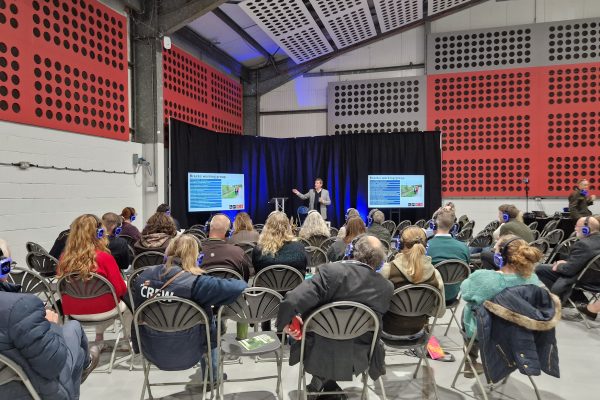
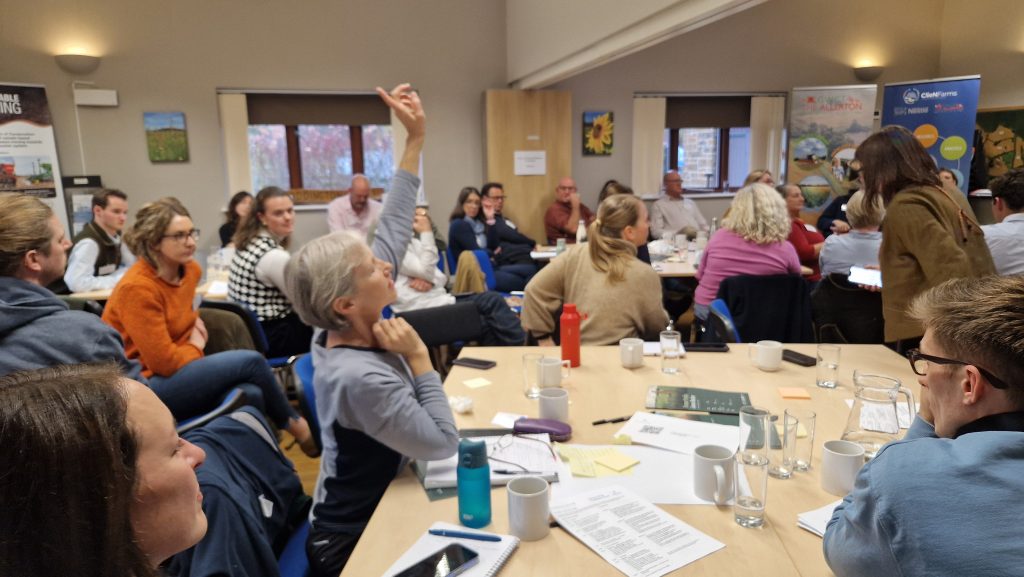
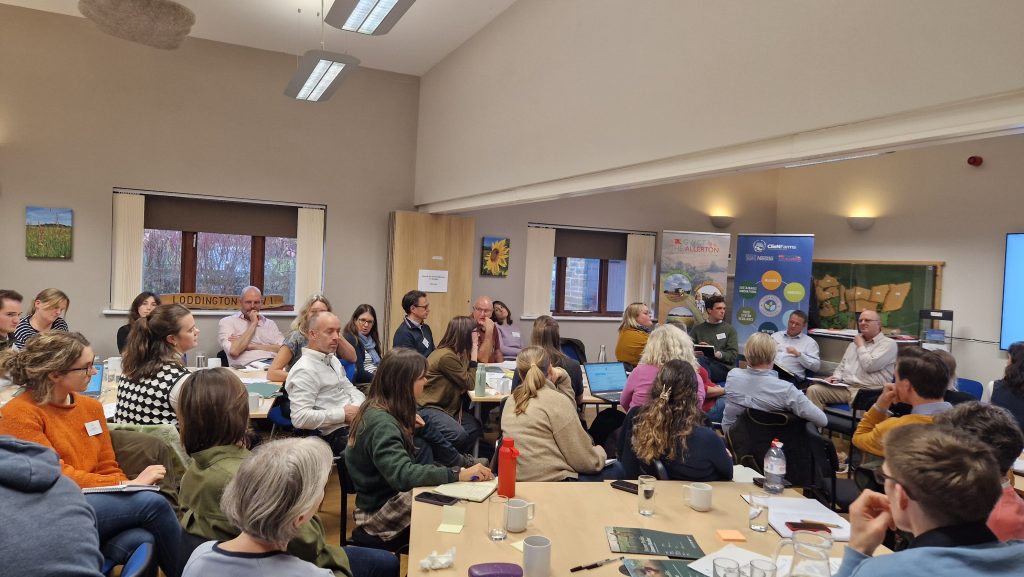
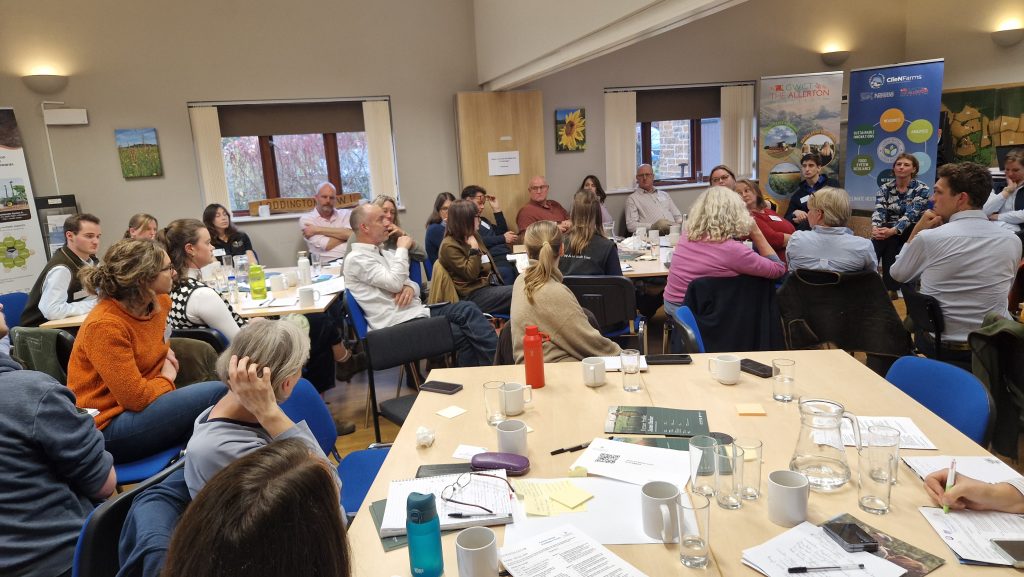
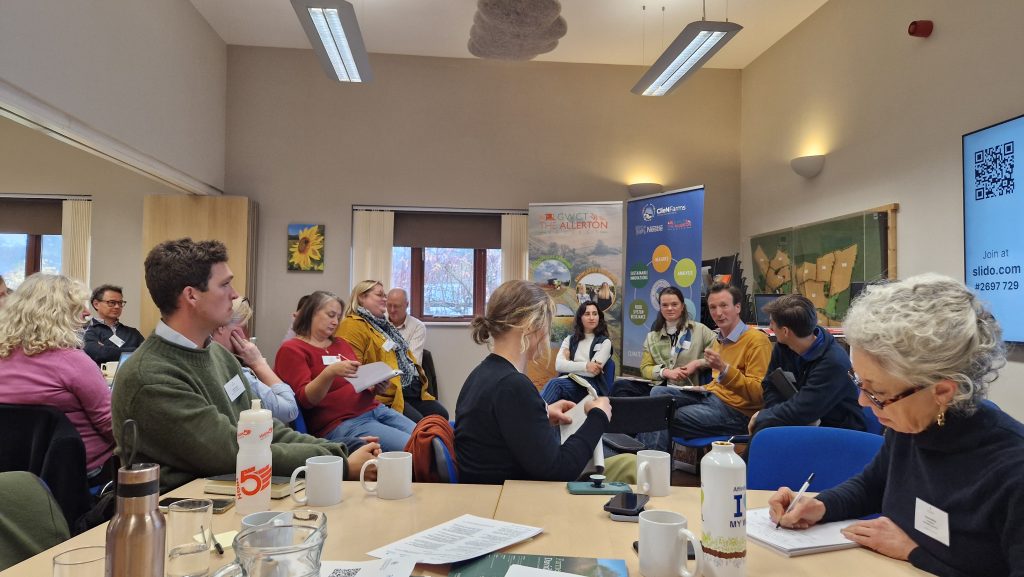
To explore the challenges, Agricology worked with the Rothschild Foundation to host a Facilitators Forum event in November 2025. The event brought together 40 farmer group facilitators from across the country, representing a wide variety of different funding sources, geographies, objectives and stages of development.
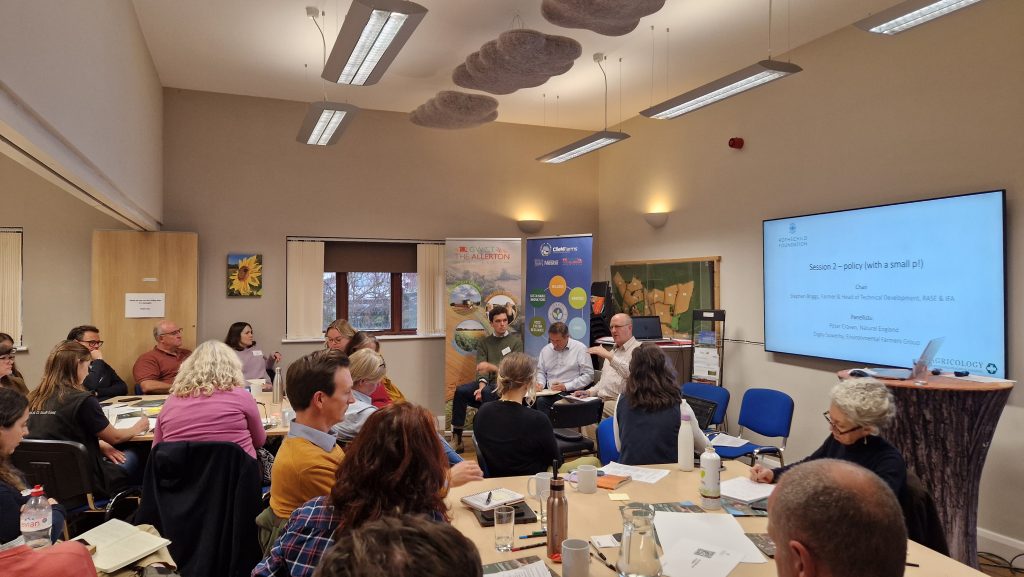
The event was held at The Allerton Project in Loddington, and consisted of three panel discussions focusing on funding, policy and resources. The panels comprised of the following speakers, who each shared their experience and expertise on the given topic before opening the floor to questions from facilitators:
Funding – Tom Scrope (Chair), Anna Wright, Tim Field, Molly Biddell
Policy (with a small p!) – Stephen Briggs (Chair), Peter Craven, Digby Sowerby
Supporting Facilitators – Alex Donnelly (Chair), Kate Dewally, Lucy Bates, Megan Lock, Tom Scrope
Key themes consistently raised
- The need for long-term funding.
- The need for professional recognition of the role of facilitators.
- The need for informed coordination and management of metrics and data.
- The need for integrated policy and finance frameworks that empower farmers to lead nature recovery.
- The life cycle maturity of different groups, which have different needs.
- The prospect for farmers and communities to secure investment that aligns with the social and cultural needs for climate adaptation.
The event also highlighted that it is possible to unlock significant environmental and economic returns by government, industry and funders working together to strengthen the foundations of this system.
Key recommendations to drive this change
- Provide long-term facilitation funding (5–7 years) to secure continuity, build trust, and enable farmer groups to plan and deliver landscape-scale outcomes, and provide space to scope out economic beneficiaries that could contribute to them becoming self-sustaining.
- Professionalise the facilitator workforce through a national competency framework, accredited training, and clear career pathways that work at the appropriate level of localisation.
- Create regional and national coordination structures to share learning, reduce duplication, and support cooperative delivery.
- Enable blended finance models with seed funding for governance, data, and market readiness, unlocking private and community investment.
- Simplify policy, legal, and governance frameworks to reduce administrative burdens and improve confidence in public and private schemes.
- Establish a central resource and data hub to provide mapping, monitoring, templates and training.
- Strengthen monitoring, evaluation, and outcome reporting to standardise national metrics, support participatory reporting and communicate outcomes.
- Promote inclusive, farmer-centric engagement including consideration of tenant farmers, and engaging the local community to support rural economic renewal.
- Provide a mechanism for facilitators to share information / knowledge to build their own capacity – where more mature groups can share with newer groups/facilitators.
The forum concluded that if the Government, industry and funders work together to invest strategically in facilitation, governance, data, and coordination, nature recovery can be accelerated, rural economies can be strengthened, and a resilient, farmer-led environmental delivery system across the UK can be created.
Associated Agricology Partner Organisation(s):

Related posts